Can of Coke Nutrition: Complete Guide to Calories, Sugar, Ingredients, Health Effects, and Nutrition Facts
Coca-Cola is one of the most recognized beverages in the world. Millions of people enjoy it every day with meals, during social events, or simply as a refreshing drink. However, many consumers want to understand the can of coke nutrition before making it a regular part of their diet.
Knowing the nutritional information can of coke helps people make informed choices about calories, sugar intake, caffeine consumption, and overall health. While Coke is often enjoyed as a treat, understanding its nutritional profile is important for maintaining a balanced lifestyle.
This comprehensive guide explores everything you need to know about can of coke nutrition, including calories, carbohydrates, sugar content, caffeine levels, ingredients, health considerations, and practical insights that go beyond standard nutrition labels.
Whether you drink Coke occasionally or regularly, this article provides clear and easy-to-understand information designed specifically for U.S. consumers.
What Is a Standard Can of Coke?
A standard can of Coca-Cola in the United States contains 12 fluid ounces (355 milliliters). This size is commonly sold individually and in multipacks across grocery stores, convenience stores, restaurants, and vending machines.
When discussing can of coke nutrition facts, the information typically refers to this standard 12-ounce serving size.
The beverage contains carbonated water, sweeteners, caramel color, phosphoric acid, natural flavors, and caffeine. While these ingredients may seem simple, they contribute to Coke’s distinctive taste and nutritional profile.
Can of Coke Nutrition Facts
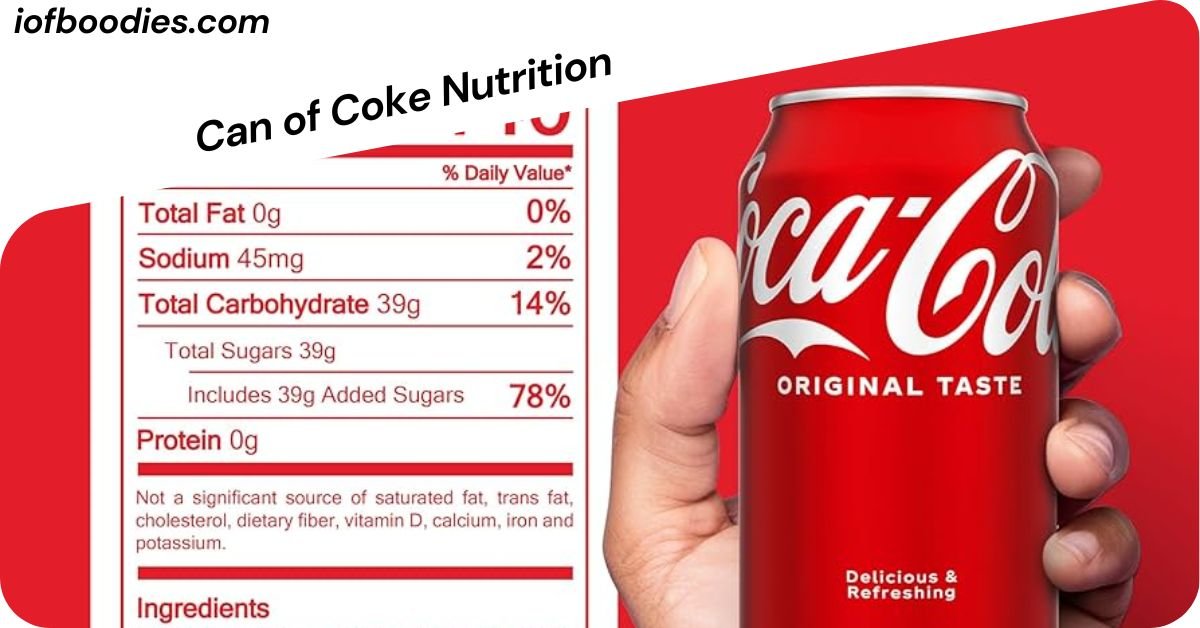
Below is the typical nutrition facts of a can of coke based on a standard 12-ounce serving.
| Nutrient | Amount |
| Calories | 140 |
| Total Fat | 0g |
| Saturated Fat | 0g |
| Trans Fat | 0g |
| Cholesterol | 0mg |
| Sodium | 45mg |
| Total Carbohydrates | 39g |
| Total Sugars | 39g |
| Added Sugars | 39g |
| Protein | 0g |
| Fiber | 0g |
| Vitamin D | 0mcg |
| Calcium | Minimal |
| Iron | Minimal |
| Potassium | Minimal |
| Caffeine | Approximately 34mg |
These values represent the can of coke nutrition information most consumers encounter in the United States.
Calories in a Can of Coke
One of the most searched aspects of can of coke nutrition is calorie content.
A standard 12-ounce can contains approximately 140 calories. Almost all of these calories come from sugar.
Unlike foods that provide calories from protein, fats, and complex carbohydrates, Coke primarily delivers calories through simple sugars.
Also Read: What Is Nutritional Yeast Used For? A Complete Guide to Benefits, Uses, Nutrition, and Cooking Tips
To put this into perspective:
- One can equals about 140 calories
- Two cans equal about 280 calories
- Three cans equal about 420 calories
For someone following a 2,000-calorie diet, one can contributes roughly 7% of daily calorie needs.
While 140 calories may not seem excessive, these calories are considered “liquid calories,” which often do not create the same feeling of fullness as solid foods.
Sugar Content in a Can of Coke
The most significant aspect of can of coke nutritional value is its sugar content.
A standard can contains approximately 39 grams of sugar.
To visualize this amount:
- 39 grams equals nearly 10 teaspoons of sugar
- This represents a substantial portion of recommended daily sugar intake
- The sugar contributes nearly all the beverage’s calories
Many health professionals recommend limiting added sugars because excessive consumption may contribute to weight gain and other health concerns over time.
One important insight often overlooked is that liquid sugars can be consumed very quickly. Drinking a can of Coke may take only a few minutes, making it easier to consume large amounts of sugar without realizing it.
Understanding Carbohydrates in Coke
The can of coke nutrition info shows approximately 39 grams of carbohydrates.
These carbohydrates come almost entirely from sugar.
Unlike whole grains, fruits, vegetables, and legumes, Coke does not contain complex carbohydrates or fiber.
This means:
- Carbohydrates are rapidly absorbed
- Blood sugar levels may rise quickly
- Energy increases may be short-lived
Consumers looking for long-lasting energy often benefit more from foods containing fiber and complex carbohydrates.
Caffeine in a Can of Coke
Many people drink Coke not only for taste but also for its caffeine content.
A standard can contains approximately 34 milligrams of caffeine.
For comparison:
- Coke: 34mg
- Black tea: 40–70mg
- Coffee: 80–120mg
- Energy drinks: 80–300mg
The caffeine amount in Coke is moderate compared to coffee and many energy drinks.
Some people enjoy the mild boost in alertness and concentration that caffeine provides. However, caffeine sensitivity varies among individuals.
Those sensitive to caffeine may experience:
- Restlessness
- Difficulty sleeping
- Increased heart rate
- Nervousness
Can of Coke Nutrition Information and Daily Value Percentages
When reviewing can of coke nutrition information, it’s important to understand Daily Values.
A can of Coke contains:
- 0% fat
- 0% cholesterol
- Small amounts of sodium
- Significant added sugar
The beverage contributes very little to daily requirements for:
- Vitamins
- Minerals
- Protein
- Fiber
This is why Coke is often described as an energy-providing beverage rather than a nutrient-dense food.
Ingredients Found in Coke
Understanding ingredients is another important part of can of coke nutritional value.
Common ingredients include:
Carbonated Water
Provides the beverage’s fizzy texture.
High Fructose Corn Syrup
Acts as the primary sweetener in many U.S. formulations.
Also Read: What Is Nutrition Short Answer? A Complete Guide to Understanding Nutrition in Simple Words
Caramel Color
Gives Coke its recognizable dark appearance.
Phosphoric Acid
Creates the beverage’s tangy flavor profile.
Natural Flavors
Provide the signature Coca-Cola taste.
Caffeine
Adds mild stimulant effects.
Each ingredient contributes to flavor, preservation, or consumer experience.
Does Coke Contain Fat?
One positive aspect of can of coke nutrition is that it contains no fat.
A standard can includes:
- 0 grams total fat
- 0 grams saturated fat
- 0 grams trans fat
However, the absence of fat does not automatically make a beverage healthy. The sugar content remains an important consideration.
Does Coke Contain Protein?
No.
The can of coke nutrition facts indicate zero grams of protein.
Protein is important because it helps:
- Build muscle
- Support tissue repair
- Promote fullness
- Maintain overall health
Since Coke provides no protein, it should not be viewed as a nutritional substitute for protein-rich foods.
Does Coke Contain Vitamins and Minerals?
Many consumers are surprised to learn that traditional Coke contains very few vitamins and minerals.
The can of coke nutrition information generally shows minimal amounts of:
- Calcium
- Potassium
- Iron
The quantities are so small that they contribute little to daily nutritional needs.
How Coke Fits Into a Balanced Diet
One of the most practical questions regarding can of coke nutrition is whether it can fit into a healthy diet.
The answer depends largely on moderation.
Occasional consumption is unlikely to significantly impact health for most individuals.
Many nutrition experts recommend:
- Prioritizing water as the primary beverage
- Limiting sugary drinks
- Consuming Coke occasionally rather than multiple times daily
- Balancing sugary beverages with nutrient-rich foods
The key is understanding overall dietary patterns rather than focusing solely on one beverage.
Can Coke Cause Weight Gain?
Weight gain occurs when calorie intake consistently exceeds calorie expenditure.
Since one can contains 140 calories, frequent consumption may contribute to excess calorie intake.
An interesting observation is that liquid calories are often easier to consume than calories from solid foods.
For example:
- Drinking 140 calories takes minutes
- Eating 140 calories of vegetables may create more fullness
This difference helps explain why sugary beverages are often discussed in weight-management conversations.
Blood Sugar Effects of Coke
The can of coke nutrition facts reveal a high concentration of rapidly absorbed sugars.
As a result:
- Blood glucose may rise quickly
- Insulin response may increase
- Energy spikes can occur
Some individuals experience a temporary boost followed by an energy decline.
People managing blood sugar levels should pay particular attention to portion sizes and beverage choices.
Can of Coke Nutrition Compared With Diet Coke
Many consumers compare regular Coke and Diet Coke.
Regular Coke:
- 140 calories
- 39 grams sugar
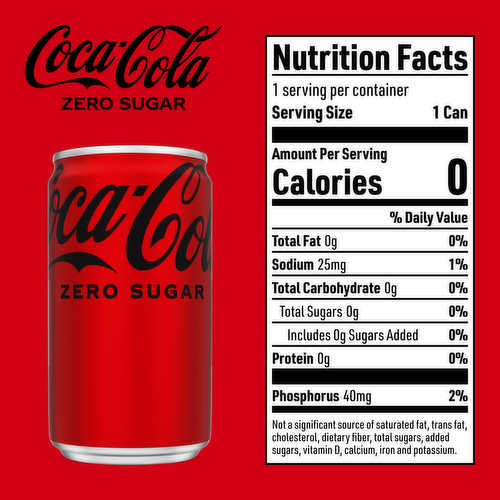
Diet Coke:
- 0 calories
- 0 grams sugar
The primary difference is the sweetener used.
Diet Coke uses low-calorie sweeteners instead of sugar, resulting in a dramatically different nutrition profile.
Can of Coke Nutrition Compared With Coke Zero
Coke Zero Sugar is another popular alternative.
Compared to regular Coke:
- Nearly zero calories
- Zero sugar
- Similar taste profile
Many consumers choose Coke Zero when looking to reduce sugar intake while maintaining a familiar flavor experience.
Can of Coke Nutrition Compared With Other Soft Drinks
When comparing soft drinks, Coke falls within a similar nutritional range.
Many popular sodas contain:
- 130–170 calories
- 35–45 grams sugar
- Varying caffeine amounts
The nutritional differences are often smaller than consumers expect.
Health Benefits of Coke: Are There Any?
When evaluating can of coke nutritional value, it is important to be realistic.
Coke is primarily enjoyed for:
- Taste
- Refreshment
- Social experiences
- Mild caffeine boost
Potential benefits include:
- Quick energy from carbohydrates
- Temporary alertness from caffeine
- Enjoyment and satisfaction
However, it should not be considered a major source of essential nutrients.
Also Read: What Are the Nutritional Values of Corn? Complete Nutrition Guide, Health Benefits, and Facts
Potential Concerns Associated With Excessive Coke Consumption
Like many sugary beverages, excessive intake may present challenges.
Potential concerns include:
High Sugar Intake
Frequent consumption can increase added sugar intake.
Excess Calories
Multiple servings daily may increase overall calorie consumption.
Dental Health
Sugar and acidity can affect tooth enamel.
Reduced Nutrient Intake
Replacing nutritious beverages with soda may lower overall diet quality.
Moderation remains the most practical approach.
Who Should Limit Coke Consumption?
Certain groups may benefit from reducing intake.
These include:
- Individuals managing blood sugar
- People following weight-loss plans
- Those sensitive to caffeine
- People limiting added sugar intake
- Individuals with certain medical conditions
Consulting a healthcare professional can provide personalized guidance.
Smart Ways to Enjoy Coke Responsibly
If you enjoy Coke, consider these practical strategies:
- Choose smaller portions
- Drink water throughout the day
- Avoid using soda as your primary beverage
- Limit consumption during meals already high in sugar
- Consider lower-sugar alternatives occasionally
These simple habits help balance enjoyment with nutritional awareness.
The Psychology Behind Coke Consumption
A topic rarely discussed in traditional nutrition articles is the emotional side of Coke consumption.
Many people associate Coke with:
- Family gatherings
- Holidays
- Sporting events
- Celebrations
- Childhood memories
These emotional connections often influence purchasing decisions more than nutrition facts alone.
Understanding these influences can help consumers make more intentional choices.
Can of Coke Nutrition and Modern Consumer Trends
Today’s consumers are increasingly interested in:
- Sugar reduction
- Ingredient transparency
- Health-conscious beverage choices
As a result, many people alternate between:
- Regular Coke
- Diet Coke
- Coke Zero Sugar
- Sparkling water
- Unsweetened beverages
The beverage industry continues evolving to meet changing consumer preferences.
Expert Perspective on Can of Coke Nutrition
A balanced perspective is important.
A single can of Coke is unlikely to determine overall health outcomes.
Long-term dietary patterns matter far more than occasional indulgences.
Consumers benefit most from:
- Reading nutrition labels
- Understanding sugar intake
- Maintaining balanced eating habits
- Staying physically active
When viewed within the context of an overall healthy lifestyle, occasional Coke consumption can be part of a reasonable diet for many individuals.
Final Thoughts on Can of Coke Nutrition
Understanding can of coke nutrition helps consumers make informed dietary choices. A standard 12-ounce can contains approximately 140 calories, 39 grams of sugar, 39 grams of carbohydrates, and 34 milligrams of caffeine. It contains no fat, protein, or significant vitamins and minerals.
The nutritional information can of coke shows that the beverage primarily provides energy through sugar rather than essential nutrients. While occasional consumption can fit into a balanced diet, moderation is important due to the high sugar content.
By understanding can of coke nutrition facts, can of coke nutrition information, can of coke nutritional value, can of coke nutrition info, and nutrition facts of a can of coke, consumers can better align their beverage choices with their personal health goals.
Frequently Asked Questions About Can of Coke Nutrition
How many teaspoons of sugar are in a can of Coke?
A standard 12-ounce can contains approximately 39 grams of sugar, which equals nearly 10 teaspoons.
Does a can of Coke contain electrolytes?
Traditional Coke contains only small amounts of minerals and is not considered a significant electrolyte beverage.
Can Coke help with dehydration?
While it contains water, plain water is generally a better choice for hydration because it contains no added sugar.
Does Coke contain artificial colors?
Coke contains caramel color, which provides its dark appearance.
Is Coke gluten-free?
Coca-Cola products are generally considered gluten-free, but consumers with severe sensitivities should always review current product labeling.
Can athletes drink Coke after exercise?
Some athletes occasionally consume Coke for quick carbohydrates after intense activity, but sports drinks and balanced recovery meals are usually preferred.
Does Coke expire?
Coke has a best-by date. While it may remain safe afterward, flavor and carbonation quality can gradually decline.
Can drinking Coke affect sleep?
Because it contains caffeine, consuming Coke late in the evening may affect sleep quality in caffeine-sensitive individuals.
Why does Coke taste different in different countries?
Ingredient sourcing, sweetener choices, and regional formulations can vary by country, leading to subtle taste differences.
What is the healthiest way to enjoy Coke?
The healthiest approach is moderate consumption within a balanced diet that emphasizes water, fruits, vegetables, lean proteins, and whole grains.