What Is the Nutrition of Corn? A Complete Guide to Corn Nutrition, Health Benefits, and Nutritional Value
Corn is one of the most popular foods in the United States and around the world. It is used in countless dishes, from fresh corn on the cob and salads to soups, tortillas, cereals, and snacks. Because it is affordable, versatile, and delicious, many people want to know: what is the nutrition of corn?
Understanding what is the nutrition of corn can help you make better food choices and enjoy its benefits as part of a healthy diet. Corn provides carbohydrates for energy, fiber for digestion, vitamins for overall health, and antioxidants that help protect the body from damage.
Many people also ask questions such as what is the nutritional value of corn, what is the nutrition value of corn, and what is the nutritional value of corn on the cob. The answer depends on the type of corn, serving size, and preparation method. However, corn remains a nutrient-rich food that can fit into many healthy eating plans.
This comprehensive guide explains everything you need to know about corn nutrition, including calories, vitamins, minerals, health benefits, myths, cooking methods, and expert insights.
What Is Corn?
Corn, also known as maize, is a cereal grain that originated thousands of years ago in the Americas. Today, it is one of the most widely grown crops in the world.
Corn comes in several varieties, including:
- Sweet corn
- Field corn
- Popcorn
- Flint corn
- Dent corn
- White corn
- Yellow corn
- Blue corn
Sweet corn is the variety most commonly eaten as a vegetable. It is harvested before it fully matures, which gives it its sweet taste and tender texture.
What Is the Nutrition of Corn?
If you are wondering what is the nutrition of corn, the answer includes a combination of carbohydrates, dietary fiber, vitamins, minerals, and antioxidants.
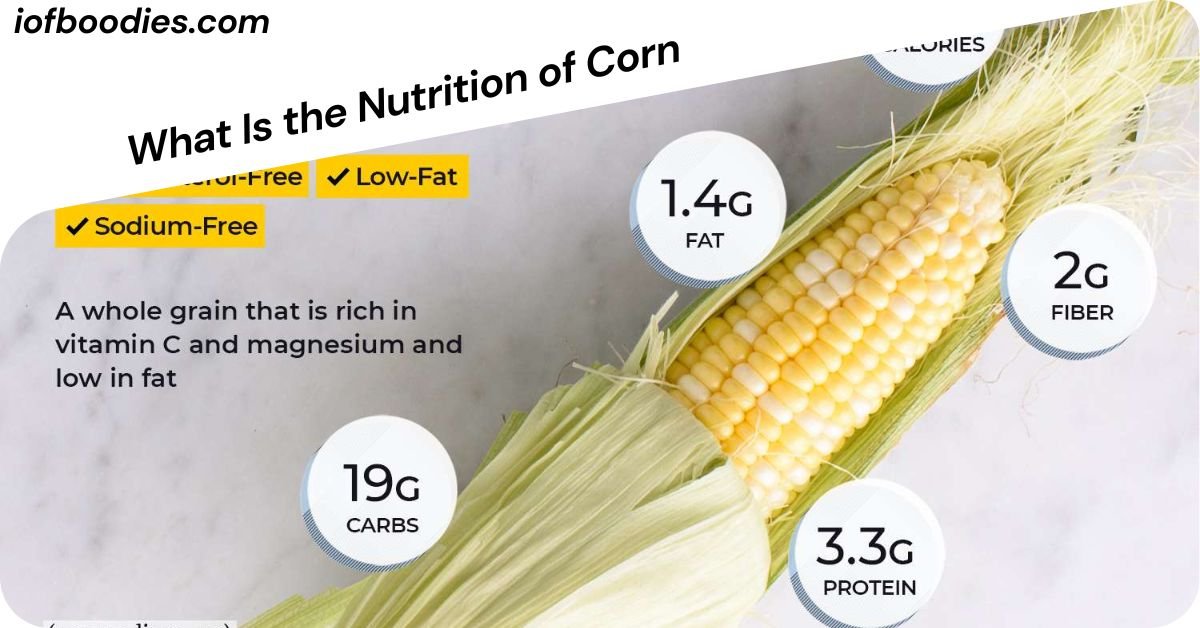
A medium ear of cooked sweet corn contains approximately:
- Calories: 90–100
- Carbohydrates: 20–22 grams
- Protein: 3–4 grams
- Fat: 1–2 grams
- Fiber: 2–3 grams
- Natural sugars: 6–8 grams
Corn is naturally cholesterol-free and contains very little fat. It also provides important nutrients that support overall health.
What Is the Nutritional Value of Corn?
The nutritional value of corn goes beyond basic calories and carbohydrates.
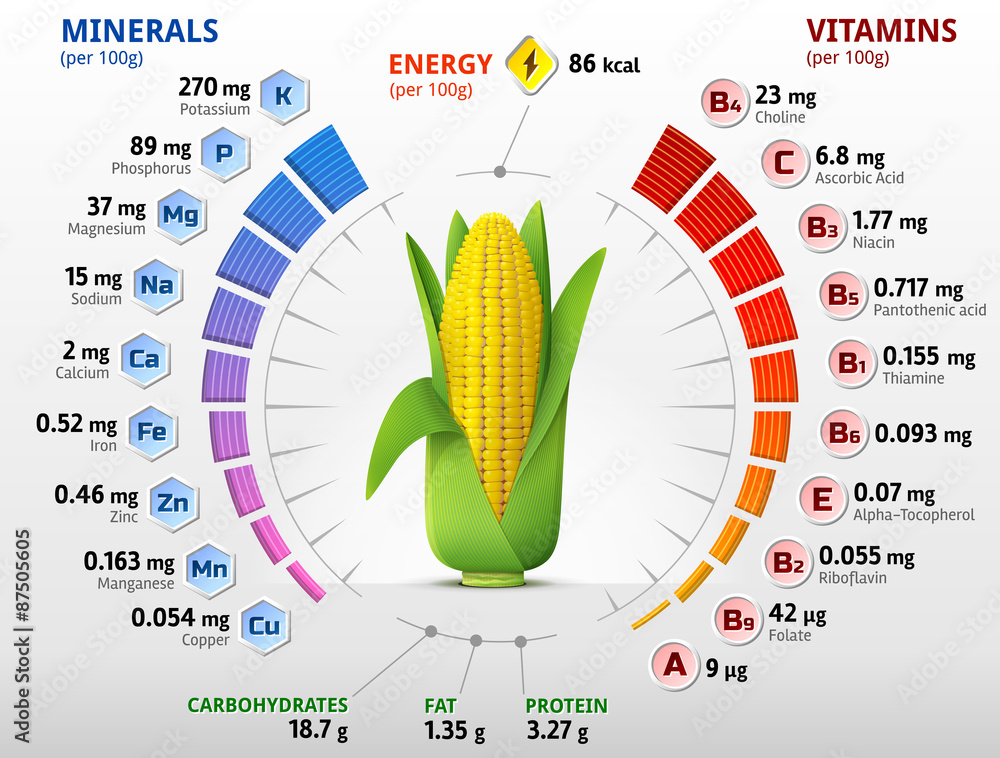
Corn contains:
- Vitamin C
- Vitamin B1 (Thiamin)
- Vitamin B5 (Pantothenic Acid)
- Folate
- Magnesium
- Potassium
- Phosphorus
- Zinc
- Iron
- Copper
- Manganese
These nutrients work together to support metabolism, energy production, immune function, and healthy body systems.
Also Read: What Is Nutritional Yeast Used For? A Complete Guide to Benefits, Uses, Nutrition, and Cooking Tips
When people ask what is the nutritional value of corn, they are often surprised to learn that corn contains several beneficial plant compounds as well.
Macronutrients in Corn
Carbohydrates
Corn is primarily a carbohydrate-rich food.
The carbohydrates found in corn provide energy for:
- Daily activities
- Exercise
- Brain function
- Muscle performance
Unlike refined carbohydrates, whole corn contains fiber and other nutrients that help slow digestion and improve satisfaction after meals.
Protein
Although corn is not considered a high-protein food, it still contributes protein to the diet.
Protein helps:
- Build muscles
- Repair tissues
- Support immune function
- Maintain healthy skin and hair
Pairing corn with beans or lean proteins can create a more balanced meal.
Fat
Corn naturally contains very little fat.
Most of the fat present is unsaturated fat, which is generally considered heart-friendly when consumed as part of a balanced diet.
Fiber
Fiber is one of the most valuable nutritional components of corn.
Benefits of fiber include:
- Improved digestion
- Better bowel regularity
- Reduced constipation
- Increased fullness
- Support for healthy cholesterol levels
Fiber also feeds beneficial gut bacteria, which may improve digestive health over time.
Vitamins Found in Corn
Vitamin C
Vitamin C helps:
- Support immunity
- Protect cells from damage
- Promote collagen production
- Improve wound healing
Fresh sweet corn contains more vitamin C than highly processed corn products.
Thiamin (Vitamin B1)
Thiamin helps the body convert food into energy.
It also supports:
- Brain function
- Nervous system health
- Heart health
Corn is considered a good source of thiamin.
Folate
Folate plays an important role in:
- DNA formation
- Cell growth
- Red blood cell production
Pregnant women especially need adequate folate intake for healthy fetal development.
Pantothenic Acid
Pantothenic acid supports:
- Hormone production
- Energy metabolism
- Healthy nervous system function
Corn contributes meaningful amounts of this important nutrient.
Minerals Found in Corn
Magnesium
Magnesium supports:
- Muscle function
- Bone health
- Blood sugar control
- Heart rhythm
Many Americans do not get enough magnesium, making foods like corn valuable additions to the diet.
Potassium
Potassium helps regulate:
- Blood pressure
- Fluid balance
- Nerve signals
- Muscle contractions
Adding potassium-rich foods can support cardiovascular health.
Phosphorus
Phosphorus is important for:
- Strong bones
- Healthy teeth
- Energy production
- Cell repair
Corn contributes moderate amounts of phosphorus.
Antioxidants in Corn
One of the most overlooked aspects of what is the nutrition of corn is its antioxidant content.
Corn contains:
- Lutein
- Zeaxanthin
- Ferulic acid
- Phenolic compounds
These antioxidants help protect cells from oxidative stress.
Lutein and Zeaxanthin
Yellow corn is especially rich in lutein and zeaxanthin.
These antioxidants support eye health and may help reduce the risk of age-related vision problems.
People who regularly consume foods rich in lutein and zeaxanthin often have better long-term eye health outcomes.
What Is the Nutrition Value of Corn Compared to Other Vegetables?
Many people compare corn to vegetables such as peas, carrots, broccoli, and green beans.
Also Read: What Is Nutrition Short Answer? A Complete Guide to Understanding Nutrition in Simple Words
Corn provides:
- More carbohydrates
- More calories
- Similar fiber levels
- Valuable vitamins and minerals
Because corn contains more starch than many vegetables, some people classify it as a starchy vegetable.
However, this does not make it unhealthy. It simply means corn provides more energy.
What Is the Nutritional Value of Corn on the Cob?
One of the most common questions is: what is the nutritional value of corn on the cob?
A medium ear of boiled corn on the cob generally provides:
- About 90–100 calories
- Approximately 20 grams of carbohydrates
- Around 3 grams of fiber
- Around 3 grams of protein
- Small amounts of healthy fats
- Essential vitamins and minerals
Corn on the cob is often one of the healthiest ways to enjoy corn because it is minimally processed.
When served without excessive butter, salt, or heavy toppings, corn on the cob can be a nutritious addition to any meal.
Is Corn Healthy?
Yes, corn can be a healthy food choice.
Corn offers several advantages:
- Nutrient-rich
- Naturally gluten-free
- Affordable
- Filling
- Easy to prepare
- High in beneficial plant compounds
The key is moderation and preparation.
Whole corn is generally much healthier than heavily processed corn products.
Health Benefits of Corn
Supports Digestive Health
The fiber in corn helps maintain healthy digestion.
Benefits include:
- Regular bowel movements
- Reduced constipation
- Better gut health
- Improved digestive comfort
Provides Long-Lasting Energy
Corn’s carbohydrate content makes it an excellent source of energy.
Athletes and active individuals often benefit from foods that provide sustained fuel.
Supports Eye Health
The lutein and zeaxanthin found in corn support vision health.
These compounds accumulate in the retina and help protect the eyes from harmful light exposure.
May Support Heart Health
Corn contains nutrients that contribute to cardiovascular wellness, including:
- Fiber
- Potassium
- Magnesium
- Antioxidants
These nutrients may help support healthy blood pressure and cholesterol levels.
Helps Maintain Healthy Weight
Corn can support weight management because it provides:
- Fiber
- Volume
- Satisfaction
When eaten as part of a balanced meal, corn may help reduce hunger between meals.
Corn and Blood Sugar
Some people worry about corn and blood sugar because it contains carbohydrates.
However, whole corn contains fiber, which slows digestion.
Factors that influence blood sugar response include:
- Portion size
- Cooking method
- Added ingredients
- Overall meal composition
Pairing corn with protein and healthy fats may help maintain steadier blood sugar levels.
Is Corn Good for Weight Loss?
Corn can be included in a weight-loss plan.
Many people mistakenly avoid corn because they believe it is too high in calories.
In reality, a medium ear of corn contains fewer calories than many snack foods.
Corn may support weight loss by:
- Increasing fullness
- Reducing cravings
- Providing satisfying texture
- Delivering important nutrients
Successful weight loss depends on overall calorie balance rather than avoiding a single food.
Fresh Corn vs Frozen Corn
Both fresh and frozen corn can be nutritious choices.
Fresh corn offers:
- Excellent flavor
- Natural sweetness
- High nutrient retention when consumed quickly
Frozen corn offers:
- Convenience
- Long shelf life
- Consistent quality
- Similar nutritional value
Modern freezing methods help preserve nutrients effectively.
Fresh Corn vs Canned Corn
Canned corn can also provide nutrients, but there are some differences.
Potential concerns include:
- Added sodium
- Preservatives
- Slight nutrient loss during processing
Choosing low-sodium canned corn can help reduce excess salt intake.
White Corn vs Yellow Corn Nutrition
White and yellow corn have similar nutritional profiles.
However, yellow corn generally contains more carotenoids such as:
- Lutein
- Zeaxanthin
These nutrients contribute to eye health and give yellow corn its color.
Popcorn and Corn Nutrition
Popcorn is another form of corn.
Air-popped popcorn provides:
- Fiber
- Whole grains
- Relatively low calories
The nutritional value changes significantly when large amounts of:
- Butter
- Sugar
- Oil
- Flavorings
are added.
Plain popcorn can be a healthy snack option.
Corn for Children
Corn can be a nutritious food for children.
Benefits include:
- Energy for growth
- Fiber for digestion
- Vitamins and minerals
- Appealing taste
Children often enjoy corn because of its natural sweetness.
Corn for Older Adults
Older adults can also benefit from corn.
Nutrients in corn support:
- Digestive health
- Eye health
- Energy production
- Overall wellness
Its soft texture makes it easy to incorporate into many meals.
Common Myths About Corn
Myth 1: Corn Has No Nutritional Value
This is false.
People asking what is the nutrition of corn often discover that corn contains valuable vitamins, minerals, fiber, and antioxidants.
Myth 2: Corn Always Causes Weight Gain
Weight gain occurs when calorie intake consistently exceeds calorie needs.
Also Read: What Are the Nutritional Values of Corn? Complete Nutrition Guide, Health Benefits, and Facts
Corn alone does not automatically cause weight gain.
Myth 3: Corn Is Just Sugar
Corn contains natural sugars, but it also contains:
- Fiber
- Protein
- Vitamins
- Minerals
- Antioxidants
Whole corn is much different from highly processed sweeteners made from corn.
Myth 4: Corn Is Unhealthy
Whole corn is generally considered a nutritious food.
Problems usually arise when corn is heavily processed into products high in sugar, salt, or unhealthy fats.
Best Ways to Eat Corn
Healthy preparation methods include:
- Boiled corn on the cob
- Grilled corn
- Steamed corn
- Roasted corn
- Corn salads
- Vegetable soups
- Whole-grain corn dishes
These methods preserve nutrients while keeping added calories low.
How Much Corn Should You Eat?
There is no single recommendation for everyone.
A typical serving may include:
- One medium ear of corn
- Half to one cup of kernels
Corn fits well into balanced meals alongside:
- Vegetables
- Fruits
- Lean proteins
- Whole grains
Variety remains important for overall nutrition.
Expert Analysis: Why Corn Deserves More Recognition
When discussing what is the nutritional value of corn, many nutrition conversations focus only on carbohydrates.
This narrow view overlooks corn’s complete nutritional profile.
Corn offers:
- Essential vitamins
- Important minerals
- Dietary fiber
- Eye-protective antioxidants
- Natural energy
One reason corn is sometimes misunderstood is because people often associate it with processed foods. However, whole corn and processed corn products are very different nutritionally.
Fresh corn on the cob, steamed corn, and frozen corn can all contribute positively to a healthy diet.
From a nutritional standpoint, corn should be viewed as a nutrient-rich plant food rather than simply a source of starch.
The Future of Corn in Healthy Diets
As nutrition science continues to evolve, researchers are paying greater attention to plant-based foods and their role in long-term health.
Corn fits many modern dietary patterns, including:
- Vegetarian diets
- Gluten-free diets
- Balanced family meal plans
- Plant-forward eating approaches
Its affordability and accessibility make it especially valuable for families seeking nutritious foods on a budget.
Conclusion
If you have been wondering what is the nutrition of corn, the answer is clear: corn is a nutritious, versatile, and valuable food that provides carbohydrates, fiber, vitamins, minerals, and antioxidants.
The nutritional value of corn includes important nutrients such as vitamin C, thiamin, folate, magnesium, potassium, and beneficial compounds like lutein and zeaxanthin. Whether you are asking what is the nutritional value of corn, what is the nutrition value of corn, or what is the nutritional value of corn on the cob, corn offers a wide range of health benefits.
When enjoyed as part of a balanced diet, corn can support digestion, energy production, eye health, heart health, and overall wellness. Fresh corn, frozen corn, and corn on the cob are all nutritious options that can fit into a healthy lifestyle.
Rather than viewing corn as merely a starchy vegetable, it is more accurate to recognize it as a nutrient-rich food that contributes meaningful value to a balanced eating plan.
Frequently Asked Questions About Corn Nutrition
Does the color of corn affect its nutritional quality?
Yes. Different colors of corn contain different plant compounds. Yellow corn is rich in carotenoids, while blue and purple corn contain anthocyanins, which are antioxidant pigments.
Can corn be part of a sports nutrition plan?
Yes. Corn provides carbohydrates that help fuel exercise and replenish energy stores after physical activity.
Is organic corn more nutritious than conventional corn?
Research generally shows that both organic and conventional corn provide similar core nutrients. Differences often relate more to farming practices than nutrient content.
Does grilling corn reduce its nutritional value?
Grilling may cause minor nutrient losses, but corn still retains most of its fiber, minerals, and many beneficial compounds.
Can corn help improve skin health?
Corn contains antioxidants and vitamin C, which support collagen production and help protect skin cells from environmental stress.
Is corn suitable for meal preparation?
Yes. Corn stores well and can easily be added to salads, soups, bowls, casseroles, and side dishes for convenient meal prep.
Why is corn naturally sweet?
Sweet corn contains higher levels of natural sugars because it is harvested before the sugars fully convert into starch.
Can corn be eaten every day?
For most healthy individuals, moderate daily consumption of corn can be part of a balanced diet when combined with a variety of other nutrient-rich foods.