Can of Coca Cola Nutrition: Complete Guide to Calories, Sugar, Ingredients, and Health Facts
When people think about soft drinks, Coca-Cola is often the first beverage that comes to mind. It is one of the most recognized drinks in the world and is enjoyed by millions of people every day. Whether you drink it occasionally at a family gathering or regularly with meals, understanding can of coca cola nutrition is important for making informed dietary choices.
Many consumers want to know exactly what is inside a can of Coca-Cola. Questions about calories, sugar content, carbohydrates, caffeine, and overall nutritional value are common. Understanding the can of coca cola nutrition label can help you decide how this popular beverage fits into your lifestyle and health goals.
This comprehensive guide explores can of coca cola nutrition in detail, including the nutritional profile, ingredients, health effects, daily consumption considerations, comparisons with other beverages, and practical tips for enjoying Coca-Cola responsibly.
The information presented here is designed for a U.S. audience and uses simple, easy-to-understand language while following modern nutrition knowledge and best practices.
What Is Coca-Cola?
Coca-Cola is a carbonated soft drink created in 1886. It is produced by The Coca-Cola Company and sold in more than 200 countries.
The classic version of Coca-Cola contains:
- Carbonated water
- High fructose corn syrup or sugar
- Caramel color
- Phosphoric acid
- Natural flavors
- Caffeine
The exact recipe remains one of the most famous trade secrets in the beverage industry.
Understanding Can of Coca Cola Nutrition
When discussing can of coca cola nutrition, most people refer to the standard 12-ounce (355 mL) can sold throughout the United States.
A standard can provides energy primarily from added sugars. Unlike foods that contain protein, fiber, vitamins, or minerals, Coca-Cola’s calories come almost entirely from carbohydrates in the form of sugar.
Understanding the nutritional profile allows consumers to make informed decisions regarding portion sizes and frequency of consumption.
Can of Coca Cola Nutrition Facts
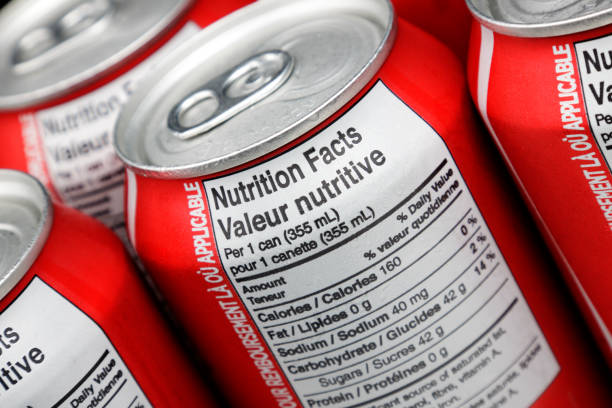
Below are the typical 1 can of coca cola nutrition facts for a standard 12-ounce can.
Serving Size
1 can (12 fl oz or 355 mL)
Nutritional Values
- Calories: 140
- Total Fat: 0g
- Saturated Fat: 0g
- Trans Fat: 0g
- Cholesterol: 0mg
- Sodium: 45mg
- Total Carbohydrates: 39g
- Dietary Fiber: 0g
- Total Sugars: 39g
- Added Sugars: 39g
- Protein: 0g
- Vitamin D: 0mcg
- Calcium: Minimal
- Iron: Minimal
- Potassium: Minimal
- Caffeine: Approximately 34mg
These values may vary slightly depending on manufacturing location and formulation updates.
ALso Read: Why Is Nutrition Important? A Complete Guide to Health, Energy, and Long-Term Wellness
Can of Coca Cola Nutrition Label Explained
Reading the can of coca cola nutrition label is simple once you understand what each section means.
Calories
A single can contains approximately 140 calories. These calories come almost entirely from added sugars.
Total Carbohydrates
The carbohydrate content is around 39 grams. Nearly all of these carbohydrates are sugars.
Added Sugars
Added sugars account for 39 grams per can. This equals approximately 10 teaspoons of sugar.
Sodium
A can contains about 45 milligrams of sodium, which is relatively low compared to many processed foods.
Protein and Fat
Coca-Cola contains virtually no protein or fat.
Micronutrients
The beverage is not considered a significant source of vitamins or minerals.
1 Can of Coca Cola Nutrition Facts and Daily Value Impact
Understanding how one can contributes to daily nutrient intake is important.
Added Sugar Recommendations
According to current dietary guidance:
- Men should limit added sugar intake to around 36 grams per day.
- Women should limit added sugar intake to around 25 grams per day.
One can of Coca-Cola contains approximately 39 grams of added sugar.
This means:
- One can exceeds the recommended daily added sugar limit for many women.
- One can meets or exceeds the recommended limit for many men.
This is one reason nutrition experts often recommend moderation.
Ingredients Found in Coca-Cola
Understanding ingredients helps paint a complete picture of can of coca cola nutrition.
Carbonated Water
This forms the base of the beverage and creates its signature fizz.
High Fructose Corn Syrup
In the United States, Coca-Cola is typically sweetened with high fructose corn syrup.
It provides sweetness and contributes most of the calories.
Caramel Color
Caramel color gives Coca-Cola its recognizable dark appearance.
Phosphoric Acid
This ingredient contributes to the beverage’s tangy taste.
Natural Flavors
These proprietary flavor ingredients create Coca-Cola’s unique taste profile.
Caffeine
Caffeine contributes mild stimulation and helps create the classic flavor experience.
How Much Sugar Is in a Can of Coca-Cola?
Sugar is one of the most discussed aspects of can of coca cola nutrition.
A standard can contains approximately 39 grams of sugar.
To visualize this amount:
- 39 grams equals about 10 teaspoons.
- It represents roughly 156 calories from sugar alone.
Many consumers are surprised by how much sugar is contained in a single serving.
How Many Calories Are in a Can of Coca-Cola?
Calories are another major concern.
A standard can contains approximately:
- 140 calories
While 140 calories may not sound excessive, beverages often provide calories without creating the same feeling of fullness as solid foods.
As a result, people may consume additional calories later without realizing it.
Caffeine Content in Coca-Cola
A 12-ounce can contains approximately 34 milligrams of caffeine.
For comparison:
- Coffee generally contains 95–150mg per cup.
- Black tea contains 40–70mg.
- Green tea contains 20–45mg.
Therefore, Coca-Cola contains less caffeine than many coffee beverages.
Most healthy adults can tolerate this amount comfortably.
Is Coca-Cola Fat-Free?
Yes.
One of the positive aspects of can of coca cola nutrition facts is that the beverage contains:
- 0 grams of fat
- 0 grams saturated fat
- 0 grams trans fat
However, the absence of fat does not necessarily make the beverage nutritious because of its high sugar content.
Does Coca-Cola Contain Protein?
No.
A standard can contains:
- 0 grams protein
Unlike milk, yogurt, nuts, legumes, or meat products, Coca-Cola does not provide protein for muscle maintenance or growth.
Does Coca-Cola Contain Vitamins and Minerals?
Coca-Cola is not a significant source of:
- Vitamin A
- Vitamin C
- Vitamin D
- Calcium
- Iron
- Potassium
From a nutrition perspective, it is considered a source of calories rather than essential nutrients.
Health Benefits of Coca-Cola
Many people assume Coca-Cola has no benefits at all. While it is not considered a health beverage, there are some practical benefits worth mentioning.
Quick Energy Source
The sugar content provides rapid energy.
This may temporarily help people experiencing low energy levels.
Enjoyment and Satisfaction
Food and beverages contribute to quality of life and enjoyment.
Many consumers appreciate Coca-Cola as part of celebrations, social gatherings, and meals.
Moderate Caffeine Boost
The caffeine can increase alertness and reduce feelings of tiredness temporarily.
Potential Drawbacks of Frequent Consumption
When evaluating can of coca cola nutrition, it is equally important to understand potential concerns.
High Added Sugar Intake
Regular consumption may contribute to excessive sugar intake.
Weight Gain
Consistently consuming extra calories from sugary beverages may support weight gain over time.
Dental Health Concerns
Sugar and acidity can increase the risk of tooth decay.
Blood Sugar Spikes
The high sugar content can cause rapid increases in blood glucose levels.
Reduced Nutrient Intake
Some people replace nutrient-rich beverages with sugary drinks, potentially reducing overall dietary quality.
Coca-Cola and Weight Management
People attempting to lose weight often ask whether Coca-Cola can fit into a weight-loss plan.
The answer depends on overall calorie intake.
Because one can contains 140 calories and little nutritional value, frequent consumption may make it more difficult to maintain a calorie deficit.
Many individuals choose:
- Smaller portions
- Less frequent consumption
- Diet or zero-sugar alternatives
These strategies can help manage calorie intake.
Coca-Cola and Diabetes
People with diabetes should pay particular attention to can of coca cola nutrition facts.
The beverage contains a substantial amount of rapidly absorbed sugar.
This can cause blood glucose levels to rise quickly.
Individuals with diabetes should consult healthcare professionals regarding appropriate beverage choices.
Coca-Cola and Heart Health
Occasional consumption is unlikely to significantly impact heart health in most healthy individuals.
However, consistently high consumption of sugary beverages may contribute to:
- Excess calorie intake
- Weight gain
- Metabolic health concerns
A balanced dietary pattern remains the most important factor.
Is Coca-Cola Hydrating?
Since Coca-Cola is mostly water, it can contribute to daily fluid intake.
However, water remains the best hydration choice because it contains:
- No calories
- No sugar
- No additives
For optimal hydration, water should remain the primary beverage.
Coca-Cola Versus Water
Water
Advantages:
- Zero calories
- Zero sugar
- Excellent hydration
Coca-Cola
Advantages:
- Enjoyable taste
- Mild caffeine boost
Disadvantages:
- Added sugars
- Calories
- Limited nutritional value
For daily hydration, water remains the healthier choice.
Coca-Cola Versus Fruit Juice
Many people assume juice is always healthier.
While fruit juice may provide vitamins and minerals, it can also contain significant amounts of natural sugar.
Compared to Coca-Cola:
- Juice often contains vitamins.
- Coca-Cola contains fewer nutrients.
- Both may contain substantial sugar levels.
Moderation is important for both beverages.
Coca-Cola Versus Sports Drinks
Sports drinks are designed to replace electrolytes during intense physical activity.
Compared with sports drinks:
- Coca-Cola contains more carbonation.
- Sports drinks usually provide electrolytes.
- Both may contain significant sugar.
Most casual exercisers do not require sports drinks regularly.
Coca-Cola Versus Diet Coke
Diet Coke differs significantly from regular Coca-Cola.
Regular Coca-Cola
- 140 calories
- 39 grams sugar
Diet Coke
- Zero calories
- Zero sugar
Consumers seeking lower-calorie options often choose Diet Coke.
Coca-Cola Versus Coca-Cola Zero Sugar
Coca-Cola Zero Sugar has become increasingly popular.
Benefits
- Zero calories
- Zero sugar
- Similar flavor profile
For consumers focused on reducing calorie intake, Coca-Cola Zero Sugar can be a practical alternative.
Can Children Drink Coca-Cola?
Children can consume Coca-Cola occasionally.
However, nutrition experts generally recommend limiting sugary beverages because excessive sugar intake may affect:
- Dental health
- Calorie intake
- Overall diet quality
Water and milk are typically preferred daily beverage choices.
Can Athletes Drink Coca-Cola?
Athletes sometimes consume Coca-Cola before, during, or after prolonged activity.
Potential benefits include:
- Quick carbohydrate source
- Mild caffeine content
However, sports nutrition strategies vary widely and should be individualized.
How Often Should You Drink Coca-Cola?
There is no universal answer.
A balanced approach may include:
- Enjoying it occasionally
- Monitoring overall sugar intake
- Prioritizing water and nutrient-rich beverages
Moderation is generally the most practical strategy.
Expert Perspective on Can of Coca Cola Nutrition
Looking beyond basic nutrition facts, the most important takeaway is context.
One can of Coca-Cola is unlikely to determine someone’s overall health.
Health outcomes depend on:
- Total dietary patterns
- Physical activity
- Sleep quality
- Stress management
- Long-term habits
A person who occasionally drinks Coca-Cola while maintaining a balanced diet may have very different outcomes compared with someone who consumes multiple sugary beverages daily.
The broader lifestyle matters more than any single food or drink.
Tips for Enjoying Coca-Cola Responsibly
Watch Portion Sizes
Choose a standard can instead of larger servings.
Drink Water Throughout the Day
Maintain hydration primarily with water.
Balance Sugar Intake
Reduce added sugars from other sources when consuming sugary beverages.
Avoid Daily Dependence
Treat Coca-Cola as an occasional beverage rather than a primary drink.
Protect Dental Health
Rinse with water after consumption and maintain regular oral hygiene.
Common Myths About Coca-Cola Nutrition
Myth 1: Coca-Cola Contains Fat
False. Coca-Cola contains zero fat.
Myth 2: Coca-Cola Contains Protein
False. Coca-Cola contains virtually no protein.
Myth 3: One Can Causes Immediate Weight Gain
False. Weight gain results from long-term calorie surplus, not a single beverage.
Myth 4: Coca-Cola Provides Essential Nutrients
False. It is not a significant source of vitamins or minerals.
ALso Read: What Is Nutritional Yeast Used For? A Complete Guide to Benefits, Uses, Nutrition, and Cooking Tips
Myth 5: Everyone Must Avoid Coca-Cola
False. Many people can enjoy it occasionally as part of a balanced lifestyle.
Conclusion
Understanding can of coca cola nutrition helps consumers make informed choices about one of the world’s most popular beverages. A standard 12-ounce can contains approximately 140 calories, 39 grams of sugar, 39 grams of carbohydrates, and about 34 milligrams of caffeine. The can of coca cola nutrition label shows that the beverage contains no fat, protein, or meaningful amounts of vitamins and minerals.
The can of coca cola nutrition facts demonstrate that most calories come from added sugars. While Coca-Cola can be enjoyed as part of a balanced lifestyle, moderation is important, especially for individuals monitoring sugar intake, weight management, or blood glucose levels.
By understanding the 1 can of coca cola nutrition facts, consumers can make smarter beverage choices that align with their personal health goals. The key is balance, awareness, and maintaining an overall healthy dietary pattern.
FAQs
Does Coca-Cola contain electrolytes?
Regular Coca-Cola contains only small amounts of minerals and is not considered an electrolyte beverage.
Can Coca-Cola expire?
Yes. While it remains safe for some time after the best-by date, flavor and carbonation quality may gradually decline.
Is Coca-Cola suitable for a low-carb diet?
Regular Coca-Cola is generally not considered low-carb because it contains approximately 39 grams of carbohydrates per can.
Does temperature affect Coca-Cola taste?
Many consumers report that Coca-Cola tastes better when chilled because cold temperatures can enhance the drinking experience.
Can Coca-Cola be part of a balanced diet?
Yes. Occasional consumption can fit into a balanced diet when overall calorie and sugar intake are managed appropriately.
Why does Coca-Cola contain phosphoric acid?
Phosphoric acid contributes tartness and helps create the beverage’s distinctive flavor profile.
Does Coca-Cola contain artificial colors?
Regular Coca-Cola uses caramel color to achieve its characteristic dark appearance.
Is canned Coca-Cola different from bottled Coca-Cola?
The nutritional content is generally very similar, though some consumers notice slight taste differences due to packaging materials.
How much exercise would burn the calories in one can?
For many adults, approximately 25 to 35 minutes of brisk walking may burn around 140 calories, depending on body weight and pace.
Is Coca-Cola vegan?
The ingredients used in standard Coca-Cola formulations are generally considered suitable for vegan diets, though consumers should always verify current manufacturer information for specific regions and products.