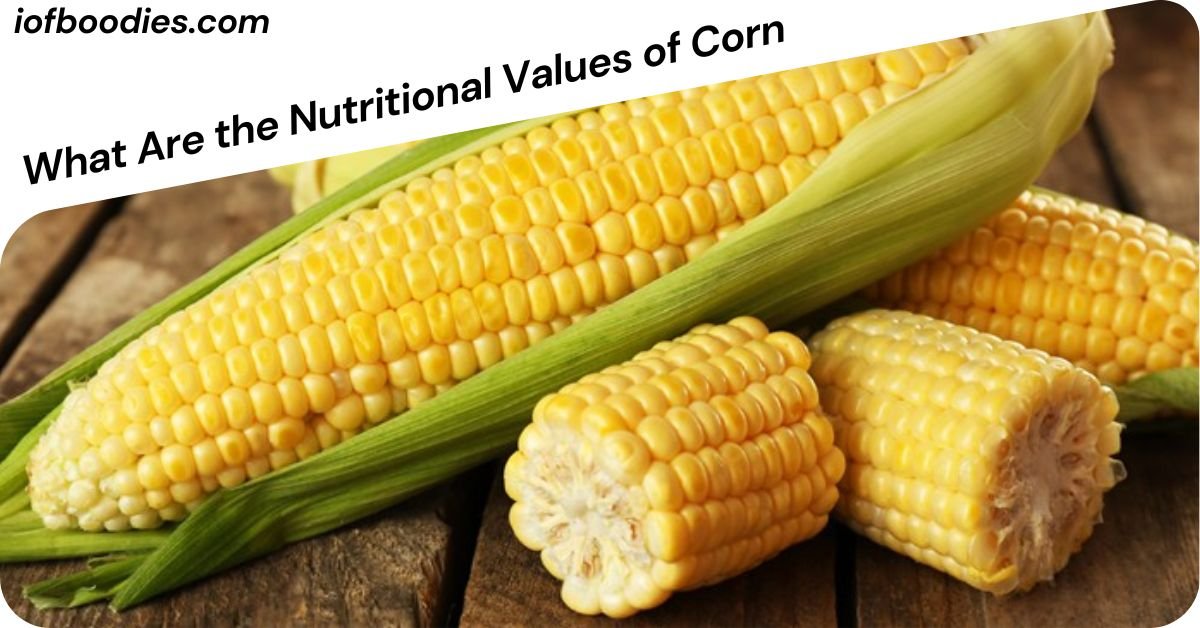
What Are the Nutritional Values of Corn? Complete Nutrition Guide, Health Benefits, and Facts
Corn is one of the most popular grains in the world. It is enjoyed in many forms, including sweet corn, popcorn, cornmeal, corn flour, corn tortillas, and corn-based cereals. In the United States, corn is a common part of daily meals and is found in countless food products.
Many people ask, “what are the nutritional values of corn?” because they want to understand whether corn is healthy, how much nutrition it provides, and how it fits into a balanced diet.
The answer is simple: corn is packed with important nutrients, including carbohydrates, fiber, vitamins, minerals, antioxidants, and plant compounds that support overall health. However, the nutritional value of corn can vary depending on how it is prepared and consumed.
This comprehensive guide explains what are the nutritional values of corn, its health benefits, potential drawbacks, nutritional profile, and how to include it in a healthy eating plan.
What Is Corn?
Corn, also known as maize, is a cereal grain that originated thousands of years ago in Central America. Today, it is one of the most widely grown crops worldwide.
Corn comes in several varieties, including:
- Sweet corn
- Yellow corn
- White corn
- Blue corn
- Popcorn
- Flint corn
- Dent corn
Sweet corn is the type most commonly eaten as a vegetable, while field corn is often processed into food ingredients, animal feed, and industrial products.
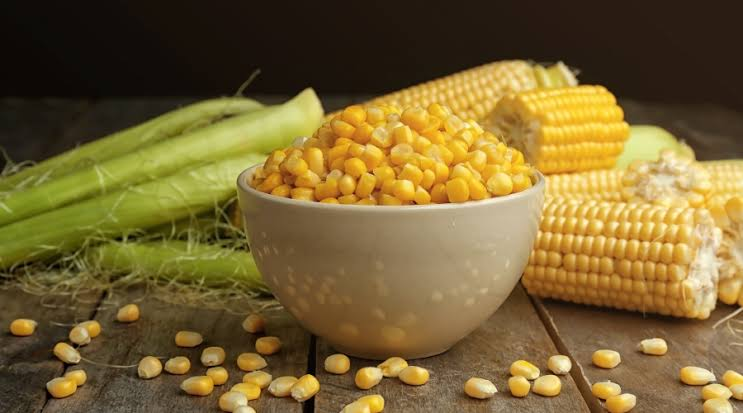
Although many people consider corn a vegetable, it is technically a grain because it develops from the seed of the plant.
What Are the Nutritional Values of Corn?
To understand what are the nutritional values of corn, let’s examine the nutrients found in one cup (about 164 grams) of cooked sweet yellow corn.
Nutritional Value of Cooked Sweet Corn (1 Cup)
| Nutrient | Amount |
| Calories | 143 |
| Carbohydrates | 31 grams |
| Protein | 5 grams |
| Fat | 2 grams |
| Fiber | 3.5 grams |
| Sugar | 6.8 grams |
| Water | 75% |
| Potassium | 392 mg |
| Magnesium | 37 mg |
| Phosphorus | 123 mg |
| Folate | 61 mcg |
| Vitamin C | 10 mg |
| Vitamin B1 (Thiamin) | 0.3 mg |
| Vitamin B5 | 1 mg |
| Vitamin B6 | 0.1 mg |
These values may vary slightly depending on the variety and cooking method.
When discussing what are the nutritional value of corn, it is important to understand that corn provides a combination of energy-producing carbohydrates and health-supporting vitamins and minerals.
Calories in Corn
Corn is considered a moderately calorie-dense food.
One cup of cooked sweet corn contains approximately 143 calories.
Most of these calories come from carbohydrates, making corn a good source of energy for active individuals, athletes, and growing children.
Compared with many processed snack foods, corn offers more nutrients per calorie, making it a healthier choice.
Carbohydrates in Corn
Carbohydrates are the main nutrient found in corn.
One cup of cooked corn provides about 31 grams of carbohydrates.
These carbohydrates include:
- Starch
- Natural sugars
- Dietary fiber
The starch in corn provides energy that the body uses throughout the day. Because corn contains fiber, its carbohydrates are digested more slowly than refined carbohydrates found in sugary snacks.
This helps provide more stable energy levels.
Fiber Content in Corn
Fiber is one of the most valuable nutrients found in corn.
A cup of cooked corn contains approximately 3.5 grams of dietary fiber.
Fiber supports health in several ways:
- Improves digestion
- Promotes regular bowel movements
- Helps maintain healthy cholesterol levels
- Supports heart health
- Increases feelings of fullness
- Helps manage blood sugar levels
People who consume adequate fiber often experience better digestive health and improved weight management.
Protein in Corn
Many people are surprised to learn that corn contains protein.
One cup of cooked sweet corn provides approximately 5 grams of protein.
Although corn is not considered a complete protein source, it can contribute to daily protein needs when combined with other foods such as:
- Beans
- Lentils
- Dairy products
- Meat
- Fish
- Eggs
For vegetarians and vegans, corn can be a useful part of a balanced protein intake.
Fat Content in Corn
Corn is naturally low in fat.
One cup contains approximately 2 grams of fat.
Most of the fat found in corn consists of healthy unsaturated fats.
Because it is low in saturated fat, corn can fit into heart-healthy eating patterns.
Vitamins Found in Corn
Understanding what are the nutritional values of corn requires examining its vitamin content.
Corn contains several essential vitamins that support body functions.
Vitamin C
Corn provides vitamin C, an antioxidant that helps:
- Support immune health
- Promote wound healing
- Protect cells from damage
- Improve collagen production
Vitamin B1 (Thiamin)
Thiamin helps the body:
- Convert food into energy
- Support nerve function
- Maintain healthy metabolism
Vitamin B5 (Pantothenic Acid)
This vitamin plays a role in:
- Hormone production
- Energy metabolism
- Brain function
Vitamin B6
Vitamin B6 supports:
- Brain development
- Nervous system health
- Immune function
Folate
Folate is especially important for:
- Cell growth
- DNA production
- Healthy pregnancy development
Pregnant women often need adequate folate to support fetal development.
Also Read: Can of Tuna Nutrition Facts: Complete Guide to Calories, Protein, Benefits, and Health Facts
Minerals Found in Corn
Corn contains important minerals that support overall health.
Potassium
Potassium helps regulate:
- Blood pressure
- Muscle contractions
- Heart function
- Fluid balance
Magnesium
Magnesium supports:
- Bone health
- Energy production
- Muscle function
- Nervous system health
Phosphorus
Phosphorus contributes to:
- Strong bones
- Healthy teeth
- Cell repair
- Energy production
Zinc
Corn contains small amounts of zinc, which helps support:
- Immune function
- Wound healing
- Cell growth
Antioxidants in Corn
One of the most overlooked aspects when discussing what are the nutritional values of corn is its antioxidant content.
Corn contains several powerful antioxidants.
Lutein
Lutein supports eye health and may help reduce the risk of age-related eye diseases.
Zeaxanthin
Zeaxanthin works alongside lutein to protect the eyes from harmful light exposure.
Ferulic Acid
Ferulic acid is a plant antioxidant that may help reduce oxidative stress in the body.
Anthocyanins
Blue and purple corn varieties contain anthocyanins, antioxidants linked to heart and brain health.
Is Corn Good for Weight Loss?
Corn can be included in a weight-loss diet when consumed in appropriate portions.
Benefits include:
- Contains fiber for fullness
- Low in fat
- Provides sustained energy
- Helps reduce overeating
However, highly processed corn products such as chips and sugary corn snacks may contribute to excess calorie intake.
Whole corn is generally a healthier choice.
Is Corn Good for Digestive Health?
Yes.
The fiber in corn supports digestive wellness by:
- Feeding beneficial gut bacteria
- Promoting regular bowel movements
- Reducing constipation risk
- Supporting gut health
Healthy digestion is one reason nutrition experts often recommend including whole grains such as corn in balanced diets.
Corn and Heart Health
Corn can contribute to heart health due to its nutrient profile.
Heart-supporting nutrients in corn include:
- Fiber
- Potassium
- Magnesium
- Antioxidants
These nutrients may help:
- Lower cholesterol levels
- Support healthy blood pressure
- Reduce inflammation
- Improve cardiovascular function
Replacing highly processed foods with whole corn products may support better heart health outcomes.
Corn and Blood Sugar
Many people wonder whether corn raises blood sugar.
Because corn contains carbohydrates, it can increase blood sugar levels.
However, whole corn also contains fiber, which slows digestion and may reduce rapid blood sugar spikes.
People with diabetes can often enjoy corn in moderation as part of a balanced meal plan.
Pairing corn with:
- Protein
- Healthy fats
- Fiber-rich vegetables
may help improve blood sugar control.
Is Corn Gluten-Free?
Yes.
Corn is naturally gluten-free.
This makes it a suitable option for people with:
- Celiac disease
- Gluten sensitivity
- Wheat allergies
Common gluten-free corn products include:
- Cornmeal
- Corn tortillas
- Popcorn
- Polenta
However, consumers should check food labels because some processed corn products may contain gluten due to cross-contamination.
Nutritional Value of Different Types of Corn
Sweet Corn
Sweet corn is harvested while immature and contains more natural sugars.
Benefits include:
- Higher vitamin C
- Pleasant taste
- Good fiber content
Popcorn
Popcorn is one of the healthiest whole-grain snacks when air-popped.
Benefits include:
- High fiber
- Low calorie density
- Whole grain nutrition
Cornmeal
Cornmeal provides:
- Carbohydrates
- Fiber
- Minerals
It is commonly used in cornbread and polenta.
Blue Corn
Blue corn contains anthocyanins, which provide antioxidant benefits beyond those found in yellow corn.
Also Read: Can Coke Nutritional Information: Complete Guide to Calories, Sugar, Caffeine, and Health Facts
Fresh Corn vs Processed Corn
Fresh corn generally offers greater nutritional benefits than heavily processed corn products.
Fresh Corn Benefits
- More vitamins
- More antioxidants
- Higher nutrient density
- Less added sodium
Processed Corn Products
Some products may contain:
- Added sugar
- Excess salt
- Artificial ingredients
- Refined starches
Examples include:
- Corn chips
- Corn syrup products
- Sugary cereals
Choosing minimally processed corn is often the healthiest option.
Corn and Eye Health
Corn is especially valuable for eye health because it contains:
- Lutein
- Zeaxanthin
Research suggests these antioxidants may help:
- Protect the retina
- Reduce oxidative damage
- Lower risk of age-related macular degeneration
- Support long-term vision
Yellow corn contains particularly high levels of these compounds.
Corn and Energy Production
Because corn is rich in carbohydrates and B vitamins, it serves as an excellent energy source.
Athletes and active individuals often benefit from carbohydrate-rich foods because they help replenish glycogen stores.
Corn can be especially useful:
- Before exercise
- After workouts
- During physically demanding activities
Corn and Immune Health
Several nutrients in corn contribute to immune system support.
These include:
- Vitamin C
- Zinc
- Antioxidants
- B vitamins
Together, these nutrients help the body defend itself against illness and maintain normal immune function.
Corn and Bone Health
Corn contains minerals important for strong bones.
These include:
- Magnesium
- Phosphorus
- Potassium
While corn alone cannot meet all bone health needs, it contributes valuable nutrients as part of a balanced diet.
Potential Downsides of Corn
While corn offers many benefits, there are a few considerations.
High Carbohydrate Content
Individuals following very low-carbohydrate diets may need to limit corn intake.
Food Sensitivities
Although uncommon, some people may have corn allergies or sensitivities.
Processed Corn Products
Many unhealthy foods are made from refined corn ingredients.
Examples include:
- Corn syrup
- Fried corn snacks
- Sugary corn cereals
These products should not be confused with whole corn.
Best Ways to Eat Corn
Healthy ways to enjoy corn include:
- Grilled sweet corn
- Boiled corn on the cob
- Air-popped popcorn
- Corn salad
- Vegetable soups
- Corn salsa
- Corn and bean bowls
These preparations preserve much of corn’s natural nutritional value.
How Much Corn Should You Eat?
There is no single recommended amount for everyone.
For most adults, a serving of:
- ½ cup to 1 cup of corn
can fit comfortably into a healthy eating pattern.
The ideal amount depends on:
- Age
- Activity level
- Calorie needs
- Health goals
Moderation remains important.
Expert Analysis: Why Corn Deserves More Recognition
When people ask what are the nutritional values of corn, they often focus only on calories and carbohydrates. This creates an incomplete picture.
Corn offers far more than energy.
It provides:
- Important vitamins
- Essential minerals
- Beneficial antioxidants
- Digestive-supporting fiber
- Eye-protective compounds
One reason corn is sometimes underestimated is because it is often associated with highly processed foods. However, whole corn and minimally processed corn products provide meaningful nutrition and can be part of a healthy lifestyle.
The key distinction is not whether corn is healthy, but rather which type of corn product is being consumed.
Fresh corn, air-popped popcorn, and whole-grain corn foods deliver far greater health benefits than heavily processed alternatives.
Conclusion
If you have been wondering what are the nutritional values of corn, the evidence clearly shows that corn is a nutritious and versatile food. It provides carbohydrates for energy, fiber for digestive health, protein, vitamins, minerals, and powerful antioxidants that support overall wellness.
Understanding what are the nutritional value of corn helps consumers make informed dietary choices. Whether enjoyed as sweet corn, popcorn, cornmeal, or other whole-food forms, corn can be a valuable addition to a balanced diet.
When eaten in moderation and prepared using healthy methods, corn supports digestion, heart health, eye health, immune function, and long-term well-being. Rather than viewing corn as merely a starchy food, it should be recognized as a nutrient-rich grain that contributes meaningful nutrition to healthy eating patterns.
Frequently Asked Questions About What Are the Nutritional Values of Corn
Is corn healthier than rice?
Corn and rice both provide carbohydrates, but corn generally contains more fiber, antioxidants, and certain vitamins. The healthier choice depends on overall dietary needs and preparation methods.
Does corn contain cholesterol?
No. Natural corn contains zero cholesterol, making it suitable for heart-conscious diets.
Can children eat corn regularly?
Yes. Corn provides energy, fiber, vitamins, and minerals that support healthy growth and development.
Is frozen corn as nutritious as fresh corn?
Frozen corn often retains most of its nutrients because it is typically frozen soon after harvesting.
Is popcorn nutritionally similar to corn?
Yes. Popcorn is a whole-grain form of corn and retains many of the grain’s nutrients, especially fiber and antioxidants.
Does corn contain iron?
Yes. Corn contains small amounts of iron that contribute to daily mineral intake.
Is corn good for older adults?
Yes. The fiber, antioxidants, and essential nutrients in corn can support digestive health, eye health, and overall wellness in older adults.
Can corn help improve gut health?
Yes. The fiber found in corn helps nourish beneficial gut bacteria and supports healthy digestion.
Which color corn is the healthiest?
Different colors offer different benefits. Yellow corn provides lutein and zeaxanthin, while blue and purple corn contain anthocyanins. Including a variety of colors may provide the widest range of nutrients.
Can corn be part of a healthy daily diet?
Absolutely. Whole corn products can be part of a balanced daily diet when consumed alongside fruits, vegetables, lean proteins, and healthy fats.