What Is Nutritional Yeast Used For? A Complete Guide to Benefits, Uses, Nutrition, and Cooking Tips
Nutritional yeast has become one of the most popular ingredients in modern kitchens, especially among people who follow plant-based, vegetarian, dairy-free, and healthy eating lifestyles. However, many people still ask the same question: what is nutritional yeast used for?
The simple answer is that nutritional yeast is used to add a savory, cheesy, nutty, and creamy flavor to foods without using dairy products. It is also valued for its impressive nutritional profile, including protein, vitamins, minerals, and fiber.
Whether you are new to nutritional yeast or looking for creative ways to use it, this comprehensive guide explains everything you need to know. You will learn what nutritional yeast is, why it is so popular, how it is used in cooking, its health benefits, potential drawbacks, and practical ways to include it in your daily meals.
What Is Nutritional Yeast?
Before understanding what is nutritional yeast used for, it is important to know what nutritional yeast actually is.
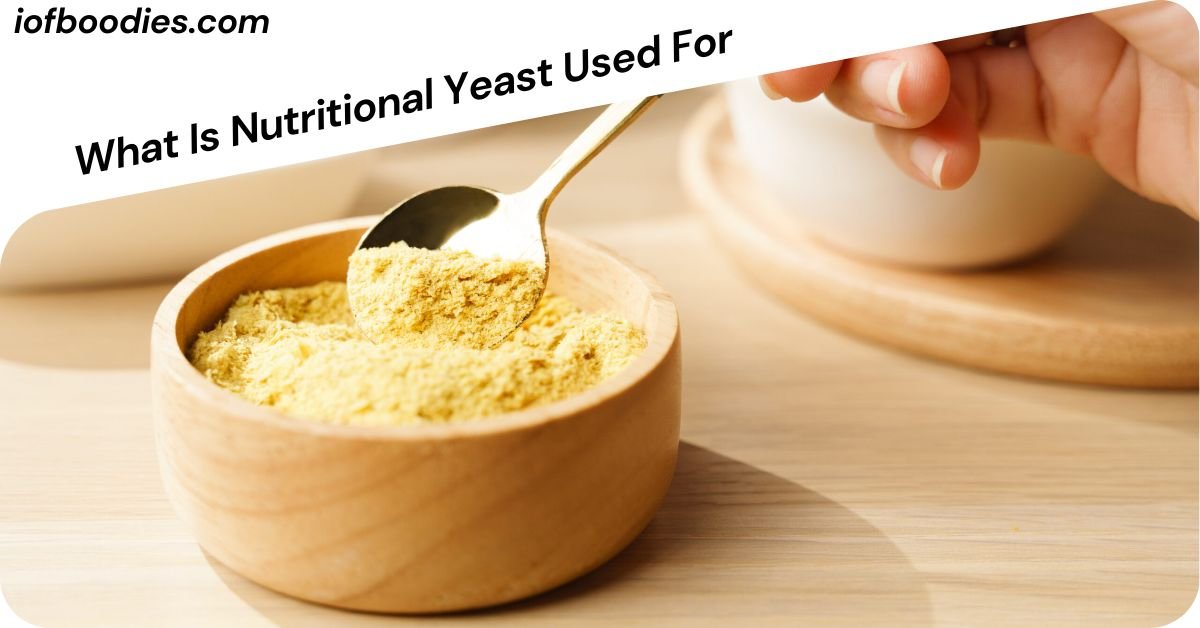
Nutritional yeast is a deactivated form of yeast known as Saccharomyces cerevisiae. Unlike baker’s yeast or brewer’s yeast, nutritional yeast is not alive and cannot be used to make bread rise.
The yeast is grown on a nutrient-rich medium, harvested, heated to deactivate it, washed, dried, and then packaged as flakes, granules, or powder.
The result is a golden-yellow food product with a rich umami flavor that many people describe as cheesy, nutty, savory, and slightly creamy.
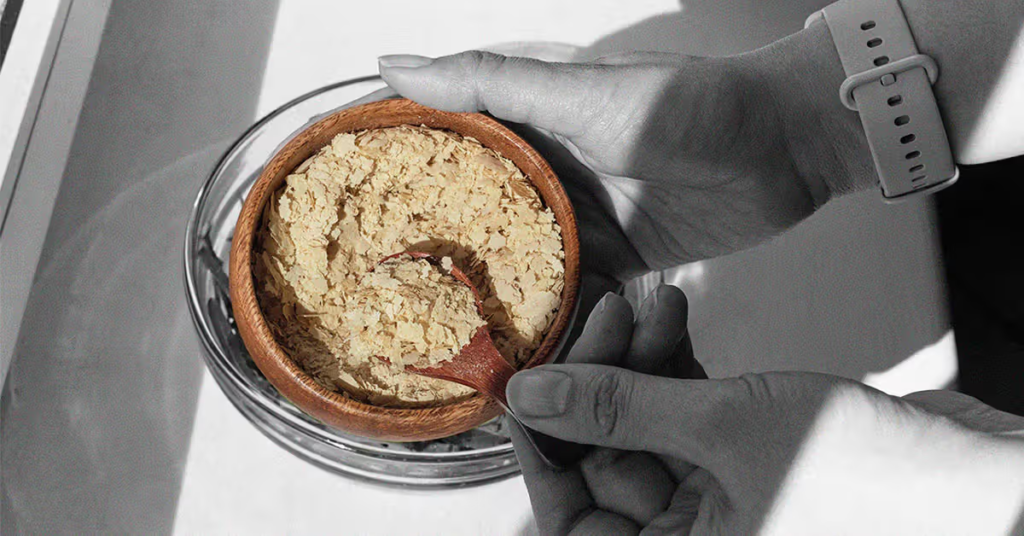
Because of its unique taste and nutrition, nutritional yeast has become a staple ingredient in many American households.
What Is Nutritional Yeast Used For?
The most common answer to what is nutritional yeast used for is flavor enhancement.
Nutritional yeast adds a savory, cheesy, and creamy flavor to foods without requiring cheese, cream, or dairy products.
People use it for:
- Seasoning popcorn
- Flavoring pasta dishes
- Making vegan cheese sauces
- Thickening soups
- Enhancing salads
- Adding flavor to roasted vegetables
- Improving the taste of plant-based recipes
- Making dairy-free dips
- Creating creamy dressings
- Boosting nutritional value in meals
It works as both a seasoning and a nutritional supplement, making it one of the most versatile ingredients available.
Also Read: How to Read a Nutrition Label: The Complete Beginner’s Guide to Making Healthier Food Choices
Nutritional Yeast What Is It Used For in Everyday Meals?
Many people wonder, nutritional yeast what is it used for in daily cooking?
The answer is simple: almost everywhere.
Because nutritional yeast has a naturally savory taste, it can replace cheese in many recipes while adding vitamins and protein.
Common everyday uses include:
Breakfast
- Sprinkled over scrambled eggs
- Mixed into tofu scramble
- Added to breakfast potatoes
- Blended into savory oatmeal
Lunch
- Mixed into salad dressings
- Added to soups
- Sprinkled over sandwiches
- Combined with avocado toast
Dinner
- Added to pasta sauces
- Used in casseroles
- Mixed into mashed potatoes
- Sprinkled over vegetables
Snacks
- Popcorn seasoning
- Roasted chickpeas
- Homemade crackers
- Nut mixes
Its versatility makes it easy to include in almost every meal.
What Is Nutritional Yeast Flakes Used For?
One of the most searched questions is: what is nutritional yeast flakes used for?
Nutritional yeast flakes are the most common form sold in grocery stores.
They are used because they:
- Blend easily into recipes
- Dissolve in liquids
- Create creamy textures
- Add cheesy flavor
- Mix well with seasonings
Popular uses of nutritional yeast flakes include:
Vegan Cheese Sauce
Nutritional yeast flakes are often blended with:
- Cashews
- Potatoes
- Carrots
- Plant milk
- Garlic
The result is a rich dairy-free cheese sauce.
Pasta Topping
Many people sprinkle flakes directly onto pasta instead of grated Parmesan cheese.
Popcorn Seasoning
A light coating of nutritional yeast flakes transforms plain popcorn into a flavorful snack.
Soups and Stews
Flakes dissolve easily and add depth of flavor.
Salad Enhancer
Sprinkle nutritional yeast flakes over salads to boost both flavor and nutrition.
What Is Nutritional Yeast Seasoning Used For?
Another common question is: what is nutritional yeast seasoning used for?
Nutritional yeast seasoning is often used as a healthy alternative to cheese-flavored seasonings and high-sodium flavor enhancers.
People use it to season:
- French fries
- Potato wedges
- Vegetables
- Rice dishes
- Pasta
- Popcorn
- Tofu
- Beans
- Grain bowls
Its natural umami taste makes foods taste richer and more satisfying.
Many chefs consider nutritional yeast a secret ingredient for creating complex flavors without relying on artificial additives.
What Is Nutritional Yeast Used For in Cooking?
When discussing what is nutritional yeast used for in cooking, the possibilities are almost endless.
Nutritional yeast can be used in:
Sauces
It adds creaminess and depth to:
- Cheese sauces
- Alfredo alternatives
- Dips
- Gravy
Soups
A few tablespoons can improve:
- Vegetable soup
- Tomato soup
- Potato soup
- Lentil soup
Casseroles
Nutritional yeast helps create a golden, cheesy flavor without dairy.
Vegetable Dishes
It enhances:
- Broccoli
- Cauliflower
- Brussels sprouts
- Sweet potatoes
- Zucchini
Vegan Recipes
It is considered one of the most important ingredients in plant-based cooking because it provides a cheese-like flavor that many people miss after removing dairy from their diets.
Also Read:Does Nutritional Yeast Go Bad? Complete Storage, Shelf Life, and Freshness Guide
Why Is Nutritional Yeast So Popular?
Nutritional yeast has gained popularity for several reasons.
Great Taste
People enjoy its:
- Cheesy flavor
- Nutty notes
- Savory richness
- Creamy character
Nutritional Value
Many varieties contain:
- Protein
- Fiber
- B vitamins
- Zinc
- Selenium
Easy to Use
No cooking skills are required.
Simply sprinkle it on food and enjoy.
Long Shelf Life
Nutritional yeast stores well for months when kept in a cool, dry place.
Vegan-Friendly
It provides flavor often associated with cheese without using animal products.
Nutritional Benefits of Nutritional Yeast
Beyond answering what is nutritional yeast used for, it is important to understand its nutritional benefits.
High in Protein
Nutritional yeast contains complete protein, meaning it provides all nine essential amino acids.
This makes it valuable for:
- Vegetarians
- Vegans
- Athletes
- Active individuals
Rich in B Vitamins
Many fortified products contain:
- Vitamin B1
- Vitamin B2
- Vitamin B3
- Vitamin B6
- Vitamin B12
Vitamin B12 is especially important because it can be difficult for vegans to obtain naturally.
Contains Fiber
Fiber supports:
- Digestive health
- Healthy cholesterol levels
- Blood sugar management
Provides Antioxidants
Nutritional yeast contains compounds that may help support the body’s natural defense systems.
Low in Fat
Most nutritional yeast products are naturally low in fat while providing substantial flavor.
Is Nutritional Yeast Good for Weight Management?
Many people include nutritional yeast in weight management plans.
Reasons include:
- High protein content
- Filling fiber
- Low calorie count
- Strong flavor that reduces the need for heavy sauces
Because it adds taste without excessive calories, nutritional yeast can help make healthy meals more satisfying.
Who Should Use Nutritional Yeast?
Nutritional yeast can benefit many people.
Vegans
It provides flavor and often supplies vitamin B12.
Vegetarians
It adds protein and nutrients to meals.
Fitness Enthusiasts
The protein content supports active lifestyles.
Busy Professionals
It is quick and easy to use.
Families
Children and adults can enjoy its mild cheesy flavor.
Creative Ways to Use Nutritional Yeast
If you are wondering what is nutritional yeast used for beyond traditional recipes, try these creative ideas.
Blend Into Smooth Savory Dips
Mix nutritional yeast with:
- White beans
- Garlic
- Lemon juice
Make Healthier Mac and Cheese
Create a dairy-free sauce using:
- Nutritional yeast
- Cashews
- Plant milk
Sprinkle on Pizza
Use it as a finishing topping.
Mix Into Breading
Add it to breadcrumbs for:
- Crispy vegetables
- Tofu
- Chicken alternatives
Add to Homemade Burgers
Enhance flavor in:
- Bean burgers
- Lentil burgers
- Vegetable patties
Stir Into Mashed Potatoes
Creates a richer flavor profile.
How Much Nutritional Yeast Should You Use?
Most recipes use between:
- 1 tablespoon
- ¼ cup
Depending on the dish.
Beginners should start with small amounts and gradually increase based on taste preference.
Because nutritional yeast has a strong flavor, a little often goes a long way.
Can Nutritional Yeast Replace Cheese?
One of the primary reasons nutritional yeast became popular is its ability to mimic some characteristics of cheese.
While it does not taste exactly like cheese, it offers:
- Savory flavor
- Richness
- Creaminess
- Umami depth
This makes it a useful replacement in:
- Pasta dishes
- Sauces
- Dips
- Casseroles
Many people find it satisfies their desire for cheesy flavors while supporting a dairy-free lifestyle.
Fortified vs. Unfortified Nutritional Yeast
Not all nutritional yeast products are identical.
Fortified Nutritional Yeast
Contains added vitamins, especially:
- Vitamin B12
- B-complex vitamins
Unfortified Nutritional Yeast
Contains naturally occurring nutrients but fewer added vitamins.
Consumers should always check the nutrition label to determine what nutrients are included.
Potential Side Effects of Nutritional Yeast
Although nutritional yeast is generally considered safe, some people may experience issues.
Possible concerns include:
Digestive Discomfort
Large amounts may cause:
- Gas
- Bloating
- Digestive upset
Sensitivity
Some individuals may be sensitive to yeast products.
Headaches
A small number of people report headaches after consuming large amounts.
For most healthy adults, moderate use is well tolerated.
How to Store Nutritional Yeast
Proper storage helps preserve quality.
Store nutritional yeast:
- In a cool place
- Away from sunlight
- In an airtight container
- In a dry environment
Properly stored nutritional yeast can remain fresh for a long time.
How to Choose the Best Nutritional Yeast
When shopping for nutritional yeast, consider:
Ingredient List
Look for products with minimal ingredients.
Fortification
Check whether vitamin B12 has been added.
Flavor
Different brands may have slightly different flavor profiles.
Texture
Available forms include:
- Flakes
- Granules
- Powder
Flakes are generally the most popular choice.
Common Myths About Nutritional Yeast
Myth 1: It Is the Same as Baker’s Yeast
False.
Nutritional yeast is deactivated and cannot make dough rise.
Myth 2: It Contains Dairy
False.
Nutritional yeast is dairy-free.
Myth 3: Only Vegans Use It
False.
Many non-vegans use nutritional yeast because of its flavor and nutrition.
Myth 4: It Tastes Exactly Like Cheese
False.
It has a cheese-like quality but possesses its own unique flavor.
The Future of Nutritional Yeast
Consumer interest in healthy, plant-based foods continues to grow across the United States.
As a result, nutritional yeast is becoming more common in:
- Restaurants
- Grocery stores
- Meal kits
- Health-focused recipes
Food manufacturers are increasingly using it to create products that offer rich flavor without relying heavily on dairy or artificial additives.
Its combination of taste, convenience, and nutrition suggests that nutritional yeast will remain a popular ingredient for years to come.
Conclusion
So, what is nutritional yeast used for?
Nutritional yeast is used to add savory, cheesy, nutty, and creamy flavors to foods while also providing valuable nutrients. It is commonly used in cooking, seasoning, vegan recipes, soups, sauces, salads, popcorn, pasta dishes, and countless other meals.
Whether you are asking nutritional yeast what is it used for, what is nutritional yeast flakes used for, what is nutritional yeast seasoning used for, or what is nutritional yeast used for in cooking, the answer comes down to one key benefit: it enhances flavor while boosting nutrition.
Its rich umami taste, impressive nutrient profile, ease of use, and versatility make nutritional yeast one of the most valuable ingredients in modern kitchens. For anyone looking to improve the taste and nutritional quality of meals, nutritional yeast is a simple and effective addition to everyday cooking.
Frequently Asked Questions About What Is Nutritional Yeast Used For
Can nutritional yeast be eaten without cooking?
Yes. Nutritional yeast is fully deactivated and safe to eat directly from the package. Many people sprinkle it on finished foods without any cooking.
Does nutritional yeast need refrigeration?
No. Most nutritional yeast products can be stored in a cool, dry pantry. Refrigeration may help maintain freshness after opening but is usually not required.
Can nutritional yeast be used in baking recipes?
Yes. Although it will not make bread rise, it can add savory flavor to crackers, breads, biscuits, and other baked goods.
Is nutritional yeast suitable for children?
Generally, nutritional yeast can be part of a balanced diet for children. Parents should review product labels and consult a healthcare professional if they have specific concerns.
Can nutritional yeast be mixed into beverages?
Yes. Some people blend nutritional yeast into savory smoothies, protein drinks, and vegetable-based beverages for added nutrition.
Does nutritional yeast contain sugar?
Most nutritional yeast products contain little to no added sugar. Always check the nutrition label for specific information.
Can nutritional yeast help improve meal flavor without extra salt?
Yes. Its naturally savory flavor often helps people reduce their reliance on added salt while still enjoying flavorful meals.
What foods pair best with nutritional yeast?
Nutritional yeast pairs well with popcorn, pasta, vegetables, potatoes, soups, salads, rice dishes, beans, dips, sauces, and plant-based recipes.
Can nutritional yeast be used every day?
For most healthy adults, moderate daily use is generally acceptable as part of a balanced diet.
Why do chefs and home cooks love nutritional yeast?
Because it delivers rich flavor, versatility, convenience, and nutritional benefits in a single ingredient, making it useful in a wide variety of recipes and cooking styles.