How Do You Read the Nutrition Label on Food? A Complete Guide to Understanding Food Labels and Making Healthier Choices
Food labels are one of the most powerful tools available to consumers. Yet many people look at a nutrition label and feel confused by the numbers, percentages, and ingredient lists. Understanding what all those details mean can help you make smarter food choices, maintain a healthy weight, reduce your risk of disease, and improve your overall health.
If you have ever wondered, “how do you read the nutrition label on food,” you are not alone. Millions of Americans struggle to interpret nutrition facts correctly. The good news is that reading a nutrition label is easier than most people think once you understand the basics.
This comprehensive guide explains everything you need to know about nutrition labels, including serving sizes, calories, nutrients, ingredient lists, daily values, hidden sugars, and practical tips for choosing healthier foods.
Why It Is Important to Read Nutrition Labels
Nutrition labels provide valuable information about what is inside a food product. They help consumers compare products, understand nutritional content, and make informed decisions.
Reading nutrition labels can help you:
- Control calorie intake
- Monitor sugar consumption
- Reduce sodium intake
- Increase fiber intake
- Choose healthier fats
- Manage diabetes
- Support heart health
- Maintain a healthy weight
- Avoid ingredients you may be sensitive to
Many people buy products based on packaging claims such as “natural,” “healthy,” or “low fat.” However, the nutrition label often tells a very different story.
Understanding how do you read the nutrition label on food allows you to see beyond marketing and focus on facts.
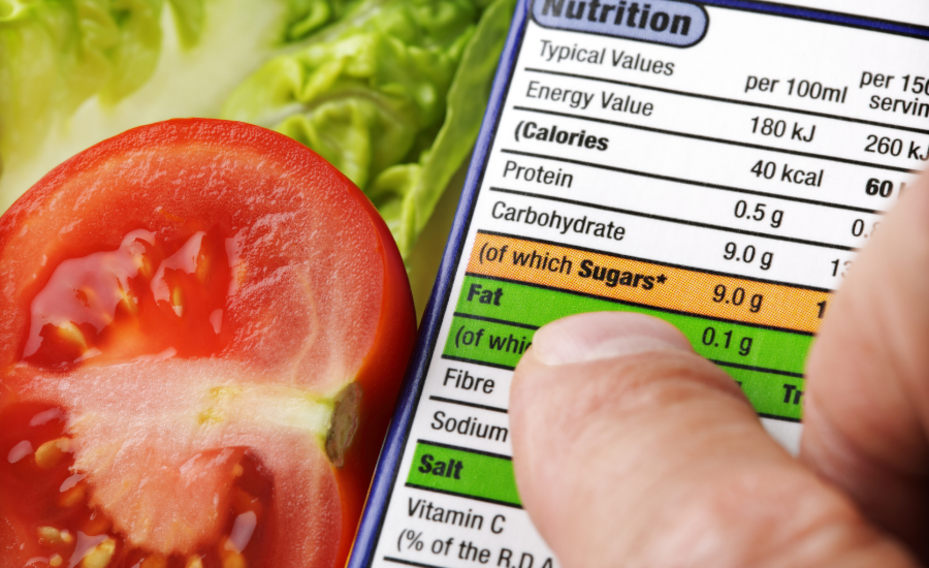
What Is a Nutrition Facts Label?
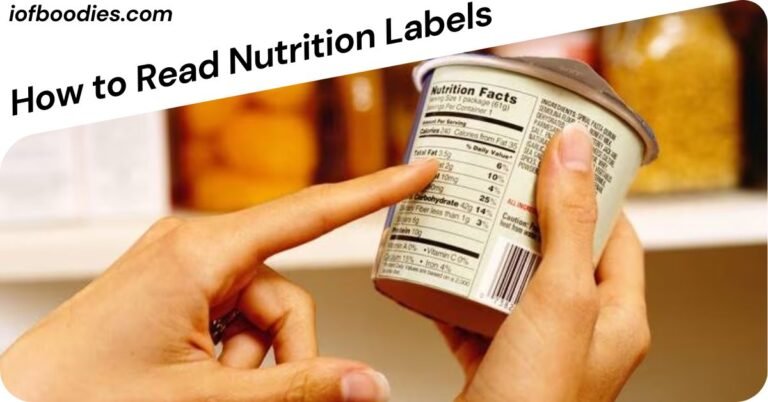
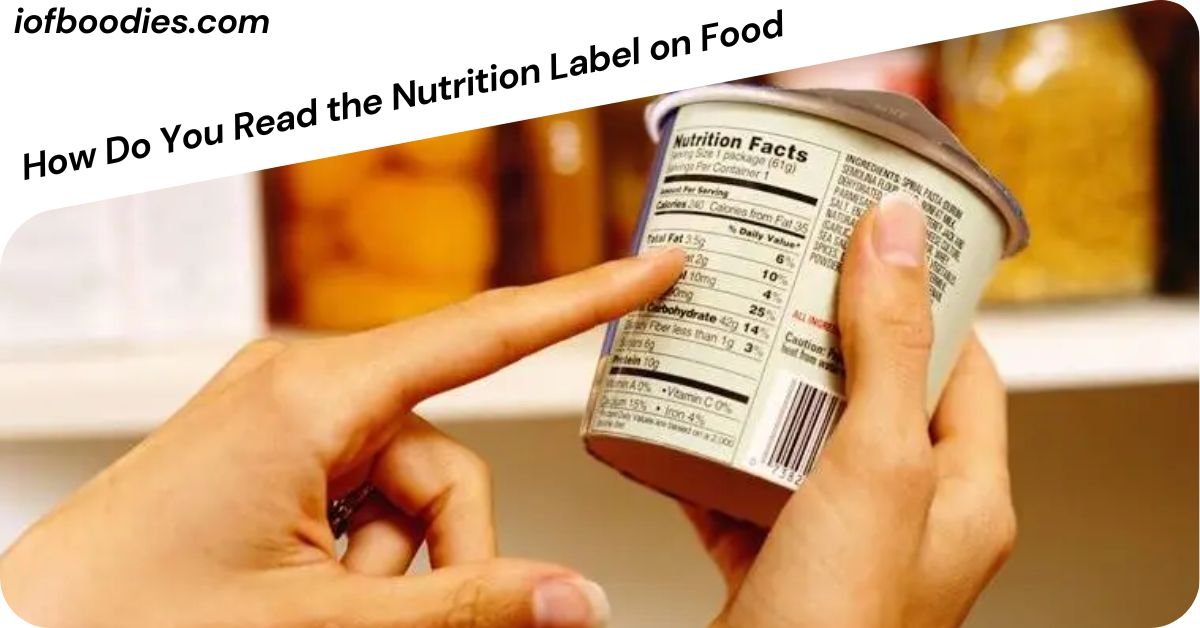
The Nutrition Facts label is a standardized panel found on packaged foods sold in the United States.
The label provides information about:
- Serving size
- Calories
- Macronutrients
- Vitamins and minerals
- Percent Daily Value (%DV)
- Added sugars
- Fat content
- Sodium levels
The U.S. Food and Drug Administration (FDA) requires most packaged foods to display this information.
The modern nutrition label was redesigned to make important information easier to see, especially calorie counts and serving sizes.
Understanding the Basic Parts of a Nutrition Label
Before diving deeper, it helps to understand the major sections.
A standard nutrition label contains:
- Serving Size
- Servings Per Container
- Calories
- Total Fat
- Saturated Fat
- Trans Fat
- Cholesterol
- Sodium
- Total Carbohydrates
- Dietary Fiber
- Total Sugars
- Added Sugars
- Protein
- Vitamins and Minerals
- Percent Daily Value (%DV)
Each section provides unique information about the food.
Step 1: Start With the Serving Size
The serving size is the first thing you should check.
Many people skip this step and make incorrect assumptions about nutrition information.
For example:
A bag of chips may show:
- Serving size: 1 ounce
- Calories: 150
However, the entire bag may contain 3 servings.
If you eat the whole bag, you consume:
- 450 calories
- Three times the fat
- Three times the sodium
The serving size tells you exactly how much food the nutrition information represents.
Why Serving Size Matters
The serving size affects every number on the label.
Calories, fat, sugar, protein, and sodium are all based on the listed serving size.
One of the biggest mistakes consumers make is ignoring serving size and assuming the label represents the entire package.
Whenever you ask yourself how do you read the nutrition label on food, always begin with the serving size.
Step 2: Check the Calories
Calories measure the energy provided by food.
The calorie section is usually displayed prominently because it is one of the most important pieces of information.
General Calorie Guidelines
A common guideline is:
- 100 calories = low
- 200 calories = moderate
- 400 calories or more = high
Keep in mind that calorie needs vary based on:
- Age
- Gender
- Activity level
- Health goals
Someone training for a marathon needs more calories than someone who is sedentary.
Quality Matters Too
Calories alone do not determine whether a food is healthy.
For example:
100 calories from almonds provide:
- Healthy fats
- Fiber
- Protein
- Vitamins
100 calories from candy provide:
- Added sugar
- Little nutritional value
Always consider calories together with nutrient quality.
Step 3: Understand Percent Daily Value (%DV)
One of the most misunderstood parts of a nutrition label is the Percent Daily Value.
The %DV shows how much a nutrient contributes to a daily diet.
The values are generally based on a 2,000-calorie diet.
Easy Rule for Reading %DV
5% DV or less = low
20% DV or more = high
For nutrients you want less of:
- Saturated fat
- Sodium
- Added sugars
Choose lower percentages.
For nutrients you want more of:
- Fiber
- Vitamin D
- Calcium
- Iron
- Potassium
Choose higher percentages.
This simple rule makes it much easier to understand how do you read the nutrition label on food correctly.
Step 4: Evaluate Total Fat
Fat often gets a bad reputation, but not all fats are unhealthy.
Nutrition labels list:
- Total Fat
- Saturated Fat
- Trans Fat
Healthy Fats
Healthy fats include:
- Monounsaturated fats
- Polyunsaturated fats
- Omega-3 fatty acids
These support:
- Brain health
- Heart health
- Hormone production
Saturated Fat
Too much saturated fat may increase LDL cholesterol levels.
Experts generally recommend limiting saturated fat intake.
Foods high in saturated fat include:
- Fatty meats
- Butter
- Full-fat dairy products
Trans Fat
Trans fats are considered the least healthy type of fat.
They can:
- Raise bad cholesterol
- Lower good cholesterol
- Increase heart disease risk
Whenever possible, choose products with zero trans fat.
Step 5: Pay Attention to Sodium
Sodium is an essential mineral, but most Americans consume too much of it.
Excess sodium intake may contribute to:
- High blood pressure
- Heart disease
- Stroke
Sodium Guidelines
Generally:
- 140 mg or less = low sodium
- 400 mg or more = high sodium
Many processed foods contain surprisingly large amounts of sodium.
Examples include:
- Frozen meals
- Soups
- Snack foods
- Processed meats
Checking sodium levels is one of the most important parts of learning how do you read the nutrition label on food.
Step 6: Examine Total Carbohydrates
Carbohydrates provide the body’s primary energy source.
The carbohydrate section includes:
- Dietary fiber
- Total sugars
- Added sugars
Understanding the difference between these categories is essential.
Not All Carbs Are Equal
Healthy carbohydrates come from:
- Fruits
- Vegetables
- Beans
- Whole grains
Less healthy carbohydrate sources often include:
- Refined grains
- Sugary snacks
- Sweetened beverages
The quality of carbohydrates matters more than simply counting grams.
Step 7: Look for Dietary Fiber
Fiber is one of the most beneficial nutrients for overall health.
Benefits include:
- Improved digestion
- Better blood sugar control
- Reduced cholesterol levels
- Increased fullness
Fiber Guidelines
A food with:
- 3 grams or more = good source
- 5 grams or more = excellent source
Many Americans do not consume enough fiber.
When comparing products, choose the option with more dietary fiber whenever possible.
Step 8: Understand Total Sugars and Added Sugars
This section has become increasingly important.
The label separates:
- Total Sugars
- Added Sugars
Total Sugars
Total sugars include naturally occurring sugars found in:
- Fruit
- Milk
- Vegetables
Added Sugars
Added sugars are introduced during processing.
Examples include:
- Table sugar
- Corn syrup
- Honey
- Brown sugar
- Cane sugar
Why Added Sugars Matter
High added sugar intake is associated with:
- Obesity
- Type 2 diabetes
- Heart disease
- Tooth decay
A product may seem healthy but contain large amounts of added sugar.
For example:
Flavored yogurt
Granola bars
Breakfast cereals
Always check the added sugars line carefully.
Step 9: Check the Protein Content
Protein is essential for:
- Muscle maintenance
- Growth
- Repair
- Immune function
Higher protein foods can help increase satiety and reduce hunger.
Examples include:
- Greek yogurt
- Lean meat
- Eggs
- Beans
- Fish
- Cottage cheese
While protein is important, it should be evaluated alongside the overall nutrient profile.
Step 10: Review Vitamins and Minerals
Modern nutrition labels highlight key nutrients that many Americans do not get enough of.
These include:
- Vitamin D
- Calcium
- Iron
- Potassium
Vitamin D
Supports:
- Bone health
- Immune function
- Muscle function
Calcium
Essential for:
- Strong bones
- Teeth
- Muscle contraction
Iron
Important for:
- Oxygen transport
- Energy production
Potassium
Helps regulate:
- Blood pressure
- Fluid balance
- Muscle function
Foods providing higher percentages of these nutrients can contribute to a healthier diet.
How to Read the Ingredient List
The ingredient list is often just as important as the Nutrition Facts panel.
Ingredients are listed in descending order by weight.
This means the first ingredient is present in the largest amount.
What to Look For
Choose products where:
- Whole foods appear first
- Ingredients are recognizable
- The list is relatively short
Red Flags
Be cautious if the first ingredients are:
- Sugar
- Corn syrup
- Refined flour
- Hydrogenated oils
The ingredient list can reveal information that calorie counts alone cannot.
Understanding Food Marketing Claims
Packaging claims can sometimes be misleading.
Examples include:
- Natural
- Low fat
- Sugar free
- Multigrain
- Organic
These claims do not automatically mean a food is healthy.
Example
A product labeled “low fat” may contain:
- High amounts of sugar
- Excess sodium
- Refined carbohydrates
Always verify claims by checking the nutrition label.
Common Mistakes People Make When Reading Food Labels
Ignoring Serving Size
This is the most common mistake.
Focusing Only on Calories
Nutrition quality matters as much as calorie count.
Overlooking Added Sugars
Many products contain hidden sugars.
Not Checking Sodium
Sodium levels can be surprisingly high.
Trusting Front-Package Claims
Always verify claims using the Nutrition Facts panel.
Ignoring Ingredient Lists
Ingredients reveal the true nature of a product.
Comparing Two Products Using Nutrition Labels
Imagine choosing between two cereals.
Cereal A:
- 180 calories
- 10 grams added sugar
- 2 grams fiber
Cereal B:
- 190 calories
- 3 grams added sugar
- 7 grams fiber
Many people choose Cereal A because it has slightly fewer calories.
However, Cereal B is likely the healthier choice because it contains:
- Less added sugar
- More fiber
- Better nutritional value
This demonstrates why understanding how do you read the nutrition label on food involves evaluating the whole picture.
Nutrition Labels for Weight Loss
Nutrition labels can be extremely useful for weight management.
Look for foods that offer:
- High protein
- High fiber
- Lower added sugar
- Moderate calorie content
These foods help promote fullness and reduce overeating.
Weight Loss Shopping Strategy
Choose foods with:
- More fiber
- More protein
- Less added sugar
- Lower sodium
This simple approach often produces better results than focusing only on calories.
Nutrition Labels for Heart Health
For heart health, prioritize foods that are:
- Lower in saturated fat
- Free of trans fat
- Lower in sodium
- Rich in fiber
Heart-friendly foods often include:
- Oats
- Beans
- Vegetables
- Fruits
- Nuts
- Fish
Nutrition labels can help identify these healthier choices.
Nutrition Labels for Diabetes Management
People with diabetes often focus on:
- Total carbohydrates
- Fiber
- Added sugars
Foods with:
- More fiber
- Less added sugar
- Balanced nutrients
usually support better blood sugar control.
Reading labels consistently can make diabetes management much easier.
Nutrition Labels for Children
Parents can use nutrition labels to make healthier choices for children.
Look for products with:
- Less added sugar
- Lower sodium
- More fiber
- Adequate protein
Children’s products are often heavily marketed, making label reading especially important.
Healthy Grocery Shopping Using Nutrition Labels
Before placing an item in your cart:
- Check serving size.
- Review calories.
- Examine added sugars.
- Check sodium.
- Look for fiber.
- Review protein.
- Read ingredients.
This seven-step process can dramatically improve food choices.
The Future of Nutrition Labels
Nutrition labels continue to evolve as nutrition science advances.
Future improvements may include:
- Better transparency
- Digital nutrition tracking
- Personalized nutrition guidance
- Sustainability information
Consumers are becoming more interested in understanding exactly what they eat.
As a result, nutrition labeling is likely to become even more detailed and user-friendly.
ALso Read: Do Corn Have Any Nutritional Value? A Complete Guide to Corn Nutrition, Health Benefits, and Facts
Expert Insights: The Most Important Part of a Nutrition Label
Many nutrition professionals agree that the most valuable information often comes from combining three elements:
- Serving size
- Added sugars
- Ingredient list
A product can look healthy based on calories alone but reveal a very different story when these sections are examined together.
The smartest shoppers focus on the complete nutritional picture rather than a single number.
Conclusion
If you have ever asked, “how do you read the nutrition label on food,” the answer begins with understanding the key sections and knowing how they work together.
Start with the serving size, check calories, evaluate Percent Daily Value, monitor sodium and added sugars, look for fiber and protein, and always review the ingredient list. By doing so, you can make informed food choices that support your health goals.
Nutrition labels are more than just numbers on a package. They are valuable tools that help consumers take control of their health, avoid misleading marketing claims, and build a balanced diet. The more often you read labels, the easier the process becomes, and the better equipped you will be to choose foods that nourish your body and support long-term wellness.
Frequently Asked Questions About How Do You Read the Nutrition Label on Food
Can nutrition labels help identify ultra-processed foods?
Yes. While the label does not specifically say whether a food is ultra-processed, a long ingredient list with numerous additives, artificial flavors, preservatives, and sweeteners can be a clue that the product is highly processed.
Why do some foods have multiple serving sizes listed?
Some products contain more than one serving but are commonly eaten in one sitting. Manufacturers may provide information per serving and per package to help consumers understand total nutrient intake.
Do frozen foods have the same nutrition value as fresh foods?
In many cases, yes. Frozen fruits and vegetables can retain much of their nutritional value. Reading the nutrition label helps determine whether additional ingredients such as sauces, sugars, or sodium have been added.
Can nutrition labels help with sports nutrition?
Absolutely. Athletes often use nutrition labels to monitor carbohydrate intake, protein consumption, calorie needs, and electrolyte levels to support performance and recovery.
Why do nutrition labels round some numbers?
Regulations allow manufacturers to round certain nutrient amounts according to specific guidelines. For example, very small amounts of a nutrient may appear as zero even when trace amounts are present.
Are imported foods required to follow U.S. nutrition label standards?
Many imported foods sold in the United States must comply with FDA labeling requirements. However, label formats may differ depending on regulations and exemptions.
How often should I read nutrition labels if I buy the same product regularly?
It is a good idea to check periodically because manufacturers may change ingredients, serving sizes, sugar content, sodium levels, or nutrient formulations without major packaging changes.
Can nutrition labels help reduce grocery spending?
Yes. Comparing labels allows consumers to identify products that provide more nutritional value for the price, helping them make healthier and more cost-effective shopping decisions.
Should I avoid foods with ingredients I cannot pronounce?
Not necessarily. Some vitamins, minerals, and naturally derived ingredients have complex scientific names. Focus on understanding the ingredient’s purpose rather than judging solely by pronunciation.
What is the fastest way to evaluate a nutrition label while shopping?
A quick method is to check four things first: serving size, calories, added sugars, and fiber. This provides a strong snapshot of a product’s nutritional quality in just a few seconds.