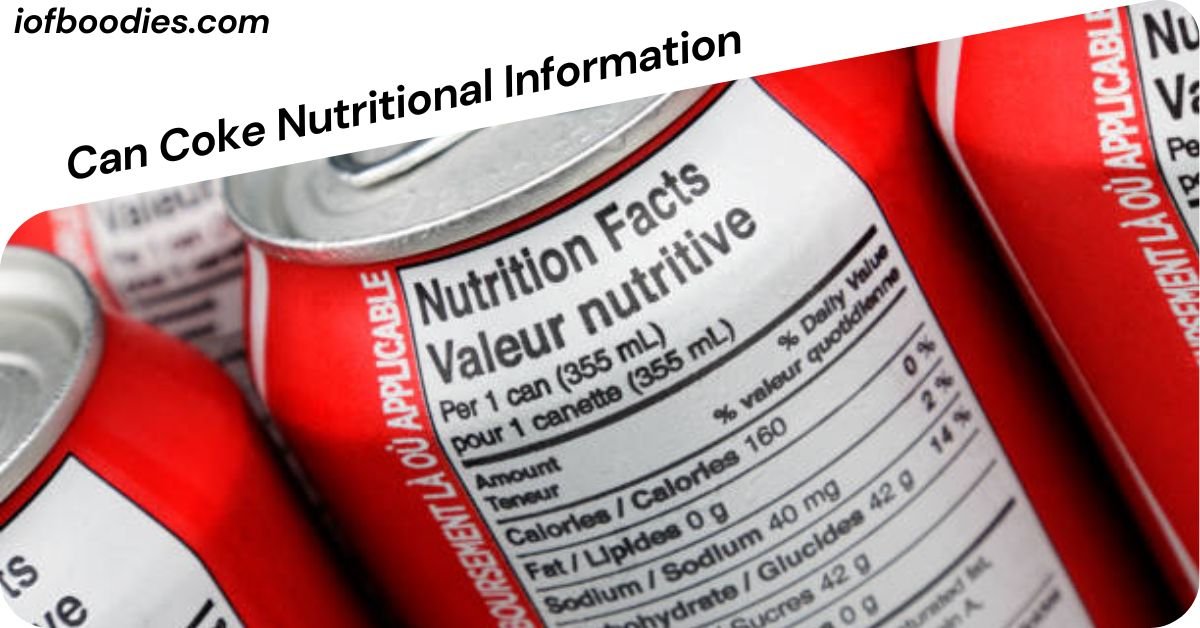
Can Coke Nutritional Information: Complete Guide to Calories, Sugar, Caffeine, and Health Facts
Many people enjoy drinking Coca-Cola every day, but not everyone understands what is inside a can of Coke. Whether you are watching your calorie intake, managing sugar consumption, following a healthy lifestyle, or simply curious about what you drink, knowing the can coke nutritional information can help you make informed choices.
Coca-Cola is one of the most recognized beverages in the world. Millions of people drink it daily because of its refreshing taste and iconic flavor. However, understanding the nutritional content of a can of Coke is important for anyone who wants to balance enjoyment with health awareness.
This detailed guide covers everything you need to know about can coke nutritional information, including calories, sugar content, carbohydrates, caffeine levels, ingredients, health effects, comparisons with other beverages, and practical tips for consuming Coke responsibly.
By the end of this article, you will have a complete understanding of the nutritional information can of Coke and how it fits into a balanced diet.
What Is a Standard Can of Coke?
In the United States, the standard can of Coca-Cola contains 12 fluid ounces (355 ml). This is the most common size sold in grocery stores, convenience stores, vending machines, and restaurants.
When people search for can of coke nutritional information, they are usually referring to this standard 12-ounce serving.
The nutritional values discussed throughout this article are based on a regular 12-ounce can of Coca-Cola Classic sold in the United States.
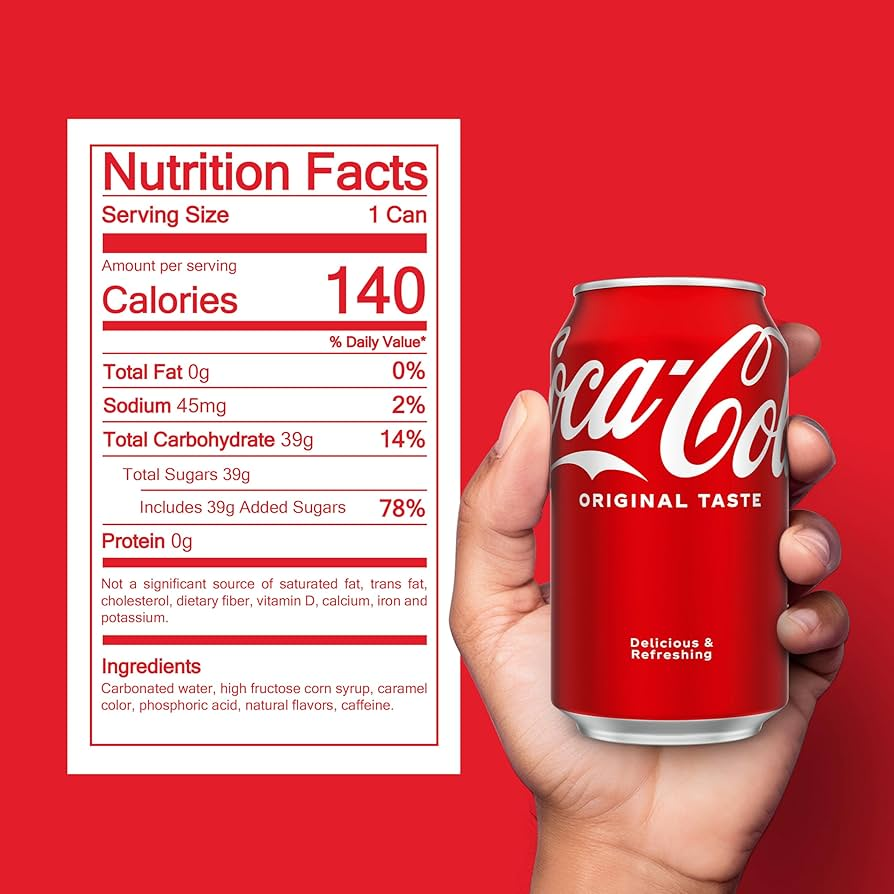
Can Coke Nutritional Information at a Glance
Below is the typical nutritional profile for one 12-ounce can of Coca-Cola Classic:
Calories: 140
Total Fat: 0g
Saturated Fat: 0g
Trans Fat: 0g
Cholesterol: 0mg
Sodium: 45mg
Total Carbohydrates: 39g
Dietary Fiber: 0g
Total Sugars: 39g
Added Sugars: 39g
Protein: 0g
Vitamin D: 0mcg
Calcium: 0mg
Iron: 0mg
Potassium: 0mg
Caffeine: 34mg
These values may vary slightly depending on manufacturing location and product updates, but they generally remain consistent across the United States.
Understanding Coke Calories
One of the most searched aspects of can coke nutritional information is calorie content.
A standard 12-ounce can contains approximately 140 calories.
Also Read: Is Nutritional Yeast Gluten Free? The Complete Guide for Gluten-Free Diets in 2026
These calories come almost entirely from sugar. Since Coke contains no fat and no protein, its calorie content is generated by carbohydrates, specifically added sugars.
For comparison:
Water: 0 calories
Unsweetened tea: 0–5 calories
Orange juice: 110–130 calories per serving
Sports drinks: 80–150 calories
Energy drinks: 110–300 calories
Although 140 calories may not seem like much, drinking multiple cans per day can significantly increase daily calorie intake.
Sugar Content in a Can of Coke
The most important part of the can of coke nutrition information is sugar content.
One can contains approximately 39 grams of sugar.
To visualize this amount:
39 grams equals about 10 teaspoons of sugar.
The American Heart Association recommends:
Men: No more than 36 grams of added sugar daily
Women: No more than 25 grams of added sugar daily
Children: Even lower limits depending on age
A single can of Coke exceeds the recommended daily added sugar intake for many people.
This does not mean you can never drink Coke, but it highlights why moderation is important.
Why Does Coke Contain So Much Sugar?
Sugar plays several important roles in Coca-Cola:
Provides sweetness
Balances acidity
Enhances flavor
Creates the classic Coke taste
Improves mouthfeel
Acts as a preservative
Without sugar, Coca-Cola would taste significantly different from the beverage people know and enjoy today.
Carbohydrates in Coca-Cola
When reviewing coke can nutrition information, carbohydrates are another major factor.
A standard can contains 39 grams of carbohydrates.
Nearly all of these carbohydrates come from sugar.
There is:
No fiber
No complex carbohydrates
No starch
Because the carbohydrates are primarily simple sugars, they are absorbed quickly into the bloodstream.
This can cause a rapid rise in blood sugar levels.
Caffeine Content in a Can of Coke
Many consumers wonder how much caffeine is included in a can of Coke.
A standard 12-ounce can contains approximately 34 milligrams of caffeine.
To put that into perspective:
Coke: 34 mg
Diet Coke: 46 mg
Coffee: 95–150 mg
Black tea: 40–70 mg
Energy drinks: 70–300 mg
The caffeine level in Coca-Cola is relatively moderate compared to coffee and many energy drinks.
For most healthy adults, this amount is considered safe when consumed in moderation.
Sodium in Coca-Cola
The nutritional information can of Coke shows that one can contains approximately 45 milligrams of sodium.
This amount is considered low.
Most Americans consume far more sodium from foods such as:
Pizza
Fast food
Processed meats
Snack foods
Frozen meals
The sodium content in Coke is generally not a major nutritional concern.
Fat Content in Coke
A common misconception is that sugary drinks contain fat.
In reality, Coca-Cola contains:
0 grams total fat
0 grams saturated fat
0 grams trans fat
All calories come from carbohydrates rather than fats.
Protein Content in Coke
Protein is essential for muscle repair, immune support, and overall health.
However, Coke contains:
0 grams protein
Unlike milk, yogurt, or protein shakes, Coca-Cola does not contribute to daily protein needs.
Vitamins and Minerals in Coke
When reviewing can coke nutritional information, it is important to understand that Coke is not a significant source of nutrients.
A standard can contains little or no:
Vitamin A
Vitamin C
Vitamin D
Calcium
Iron
Potassium
Magnesium
Zinc
This means Coke provides energy through calories but offers very limited nutritional value beyond that.
Ingredients Found in Coca-Cola
Understanding ingredients helps provide a complete picture of can of coke nutritional information.
Typical ingredients include:
Carbonated water
High fructose corn syrup
Caramel color
Phosphoric acid
Natural flavors
Caffeine
Each ingredient serves a specific purpose in creating the flavor and appearance of Coca-Cola.
What Is High Fructose Corn Syrup?
High fructose corn syrup (HFCS) is the primary sweetener used in most Coca-Cola products sold in the United States.
HFCS is made from corn and contains a mixture of glucose and fructose.
It is commonly used because it:
Provides sweetness
Mixes easily with beverages
Maintains product consistency
Is cost-effective
Some countries use cane sugar instead of HFCS in their Coca-Cola formulations.
Health Effects of Drinking Coke Regularly
Understanding the health impact is an important part of analyzing can coke nutritional information.
Weight Gain
Regular consumption of sugary beverages may contribute to weight gain because liquid calories are easy to consume quickly.
People often do not feel as full after drinking calories compared to eating solid foods.
Blood Sugar Spikes
The high sugar content can cause blood sugar levels to rise rapidly.
This may be especially important for people with:
Diabetes
Prediabetes
Insulin resistance
Dental Health
Sugar and acidity can contribute to:
Tooth decay
Cavities
Enamel erosion
Good oral hygiene can help reduce these risks.
Heart Health
Excessive intake of added sugars over long periods may contribute to health concerns associated with cardiovascular wellness.
Moderation remains key.
Can Coke Be Part of a Healthy Diet?
Yes, it can.
A healthy diet is about overall eating patterns rather than individual foods or beverages.
Many nutrition experts believe occasional consumption of Coca-Cola can fit into a balanced lifestyle when:
Portion sizes are controlled
Overall sugar intake is monitored
Nutrient-rich foods are prioritized
Physical activity is maintained
The key is moderation rather than excess.
Coke vs Diet Coke Nutritional Information
Many consumers compare regular Coke with Diet Coke.
Regular Coke:
140 calories
39g sugar
34mg caffeine
Diet Coke:
0 calories
0g sugar
46mg caffeine
Uses artificial sweeteners
Diet Coke appeals to people seeking fewer calories and less sugar, although personal preferences and health goals vary.
Coke Zero vs Regular Coke
Another popular comparison involves Coke Zero Sugar.
Regular Coke:
140 calories
39g sugar
Classic taste
Coke Zero Sugar:
0 calories
0g sugar
Taste designed to resemble regular Coke
Both contain caffeine, but Coke Zero offers a sugar-free alternative.
Mini Can Coke Nutritional Information
Mini cans have become increasingly popular.
A 7.5-ounce mini can contains approximately:
90 calories
25 grams sugar
21 milligrams caffeine
Many consumers use mini cans to enjoy the flavor while reducing calorie and sugar intake.
Nutritional Information for Larger Coke Sizes
16.9-Ounce Bottle
Approximately:
200 calories
55 grams sugar
48 milligrams caffeine
20-Ounce Bottle
Approximately:
240 calories
65 grams sugar
57 milligrams caffeine
2-Liter Bottle
Values depend on serving size consumed.
The larger the serving, the higher the calorie and sugar intake.
How Coke Compares to Other Popular Soft Drinks
Pepsi
Calories: 150
Sugar: 41g
Mountain Dew
Calories: 170
Sugar: 46g
Dr Pepper
Calories: 150
Sugar: 40g
Sprite
Calories: 140
Sugar: 38g
Compared to many competitors, Coca-Cola falls within a similar nutritional range.
Common Misunderstandings About Coke Nutrition
Coke Contains Fat
False.
Coca-Cola contains no fat.
Coke Provides Energy Through Protein
False.
There is no protein in Coke.
Coke Contains Essential Vitamins
False.
It provides very few vitamins and minerals.
All Coke Products Have the Same Nutrition Facts
False.
Different varieties contain different calorie, sugar, and caffeine levels.
Tips for Drinking Coke Responsibly
If you enjoy Coke, consider these practical strategies:
Choose smaller serving sizes
Drink water throughout the day
Avoid multiple sugary beverages daily
Balance with nutrient-rich foods
Monitor total added sugar intake
Consider Coke Zero or Diet Coke if reducing sugar
These habits can help maintain balance while still enjoying your favorite beverage.
Who Should Pay Special Attention to Coke Nutrition Information?
Certain groups may benefit from closely reviewing can of coke nutritional information:
People with diabetes
Individuals managing weight
Parents monitoring children’s sugar intake
Athletes tracking calories
People with heart health concerns
Individuals reducing caffeine intake
Understanding nutrition labels helps support informed decisions.
Reading the Nutrition Label Correctly
When examining a can of Coke, focus on:
Serving size
Calories
Total carbohydrates
Added sugars
Caffeine content
Sodium content
Learning to read labels empowers consumers to make choices aligned with their goals.
Environmental and Packaging Considerations
Modern Coke cans are made from aluminum, which is highly recyclable.
Recycling aluminum:
Reduces waste
Saves energy
Supports sustainability efforts
Consumers who recycle their cans help reduce environmental impact.
Expert Perspective on Coke Consumption
Nutrition professionals generally agree that no single food or beverage determines overall health.
Instead, healthy outcomes depend on:
Total diet quality
Physical activity
Sleep habits
Stress management
Long-term eating patterns
Occasional Coke consumption can fit within a balanced lifestyle when consumed thoughtfully.
Final Thoughts on Can Coke Nutritional Information
Understanding can coke nutritional information allows consumers to make smarter beverage choices. A standard 12-ounce can of Coca-Cola contains 140 calories, 39 grams of sugar, 39 grams of carbohydrates, 45 milligrams of sodium, and 34 milligrams of caffeine. It contains no fat, no protein, and very few vitamins or minerals.
For most people, enjoying Coca-Cola occasionally can be part of a balanced diet. However, because of its high sugar content, moderation is important. By understanding the nutritional information can of Coke, consumers can better manage calorie intake, sugar consumption, and overall dietary goals.
Whether you are researching can of coke nutrition information, coke can nutrition information, or simply trying to understand what is inside your favorite soda, being informed helps you make healthier and more confident decisions.
Frequently Asked Questions
Does a can of Coke contain electrolytes?
No. Coca-Cola is not considered a significant source of electrolytes like sports drinks.
Is Coke suitable before exercise?
Some people consume Coke before exercise for quick energy from sugar, but it is generally not considered an ideal sports nutrition beverage.
Can Coke affect sleep?
Yes. The caffeine content may affect sleep quality in sensitive individuals, especially when consumed later in the day.
Does Coca-Cola contain cholesterol?
No. Coca-Cola contains zero cholesterol.
Is Coke gluten-free?
In most markets, Coca-Cola products are considered gluten-free. Individuals with specific dietary concerns should always check product labeling.
Does Coke expire?
Soft drinks have best-by dates rather than strict expiration dates. Flavor and carbonation quality may decrease over time.
Why is Coke acidic?
Phosphoric acid contributes to Coca-Cola’s characteristic tangy taste and helps balance sweetness.
Does cold Coke have different nutritional values?
No. Temperature does not change the nutritional content.
Can children drink Coke?
Children can consume Coke occasionally, but parents should consider the beverage’s sugar and caffeine content.
Does shaking a Coke can change nutrition information?
No. Shaking affects carbonation and pressure but does not alter nutritional values.
How much caffeine is too much in one day?
Most healthy adults can safely consume up to 400 milligrams of caffeine daily, though individual tolerance varies.
Are there healthier alternatives to regular Coke?
Many people choose:
Water
Sparkling water
Unsweetened tea
Diet Coke
Coke Zero Sugar
These options may reduce calorie and sugar intake depending on individual health goals.