Is Nutritional Yeast Good for You? A Complete Evidence-Based Guide to Benefits, Nutrition, Risks, and Uses
If you have ever walked through a health food store or searched for plant-based nutrition tips, you have probably heard about nutritional yeast. Many people sprinkle it on popcorn, pasta, vegetables, soups, and salads because it has a rich, cheesy flavor. But a common question remains: is nutritional yeast good for you?
The short answer is yes. For most people, nutritional yeast can be a healthy addition to a balanced diet. It is packed with protein, vitamins, minerals, antioxidants, and other nutrients that may support overall health. It is especially popular among vegetarians and vegans because it often contains vitamin B12, a nutrient that can be difficult to get from plant foods.
However, like any food, nutritional yeast is not perfect for everyone. Understanding its benefits, potential drawbacks, nutritional profile, and best uses can help you decide whether it belongs in your diet.
In this comprehensive guide, we will answer the question “is nutritional yeast good for you” in detail, explore the latest nutritional research, discuss potential health benefits and risks, and provide practical ways to use it every day.
What Is Nutritional Yeast?
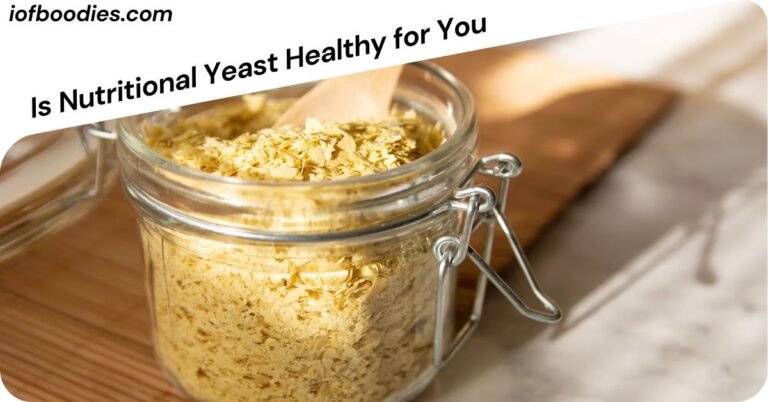
Nutritional yeast is a deactivated yeast made from a strain called Saccharomyces cerevisiae. Unlike baking yeast, it cannot make bread rise because it has been heated and dried after harvesting.
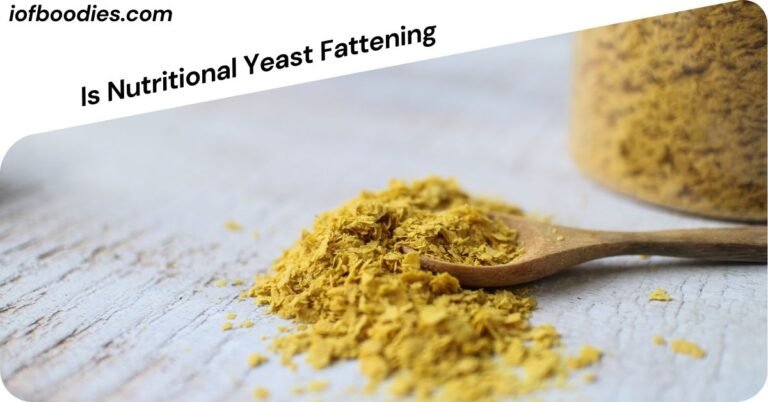
The final product appears as yellow flakes, granules, or powder. It has a savory, nutty, and cheese-like taste, making it a favorite ingredient in many healthy recipes.
Nutritional yeast is different from:
- Baker’s yeast, which is used for making bread
- Brewer’s yeast, which is a byproduct of beer production
Because nutritional yeast is inactive, it is consumed primarily for its nutritional value and flavor.
Is Nutritional Yeast Good for You?
Yes, nutritional yeast is good for you when consumed as part of a balanced diet.
It provides several important nutrients while being naturally low in sugar and fat. Many fortified varieties also contain vitamin B12, making them especially valuable for people who eat little or no animal products.
The reason so many nutrition experts recommend it is because it combines excellent nutrition with versatility. Few foods offer protein, B vitamins, fiber, antioxidants, and minerals in such a small serving.
Whether you follow a vegan diet, vegetarian diet, or traditional eating pattern, nutritional yeast can be a nutrient-dense addition to your meals.
Nutritional Yeast Nutrition Facts
The exact nutrition varies by brand, but a typical serving of 2 tablespoons contains:
- Around 60 calories
- 8 grams of protein
- 4 grams of fiber
- Less than 1 gram of fat
- Low carbohydrates
- B vitamins
- Zinc
- Selenium
- Potassium
- Iron
Fortified versions may also contain:
- Vitamin B12
- Vitamin B6
- Riboflavin
- Niacin
- Thiamin
- Folate
This nutrient density is one reason why so many people ask, “how good is nutritional yeast for you?” The answer lies in its impressive nutritional profile.
Also Read: Does Corn Have Nutritional Value? A Complete Guide to Corn Nutrition, Health Benefits, and Facts
Why Is Nutritional Yeast Good for You?
Many foods offer one or two health benefits. Nutritional yeast stands out because it supports multiple aspects of health at the same time.
Here are the biggest reasons why nutritional yeast is good for you.
Excellent Source of Plant-Based Protein
Protein is essential for:
- Building muscle
- Repairing tissues
- Supporting the immune system
- Producing hormones and enzymes
Nutritional yeast contains all nine essential amino acids, making it a complete protein.
This is especially important for vegetarians and vegans, who sometimes struggle to find complete protein sources from plants.
Adding a few tablespoons of nutritional yeast to meals can help increase daily protein intake without significantly increasing calories.
Rich in B Vitamins
B vitamins help the body:
- Convert food into energy
- Support brain function
- Maintain healthy nerves
- Produce red blood cells
Nutritional yeast is naturally rich in many B vitamins and is often fortified with additional amounts.
Regular consumption can help support energy production and overall wellness.
May Help Prevent Vitamin B12 Deficiency
Vitamin B12 is critical for:
- Nervous system health
- DNA production
- Red blood cell formation
- Cognitive function
Since B12 is naturally found mainly in animal products, vegans and vegetarians may have a higher risk of deficiency.
Fortified nutritional yeast can provide a convenient source of vitamin B12.
This is one of the strongest reasons many nutrition professionals recommend nutritional yeast for plant-based eaters.
Supports Immune Health
Nutritional yeast contains compounds called beta-glucans.
Beta-glucans are naturally occurring substances that may help support immune system function.
Research suggests these compounds may help the body respond more effectively to stress and certain infections.
While nutritional yeast should never replace medical treatment, it may contribute to overall immune support as part of a healthy lifestyle.
Provides Powerful Antioxidants
Antioxidants help protect cells from oxidative stress.
Nutritional yeast contains antioxidants such as:
- Glutathione
- Selenium
These compounds may help reduce cellular damage caused by free radicals.
Long-term antioxidant intake is associated with better overall health and healthy aging.
Supports Healthy Energy Levels
Many people wonder how is nutritional yeast good for you when it comes to energy.
The answer is simple.
Because nutritional yeast is rich in B vitamins, it helps the body convert carbohydrates, fats, and proteins into usable energy.
While it does not work like caffeine, it supports the natural energy-producing processes of the body.
May Promote Healthy Skin, Hair, and Nails
The B vitamins, protein, zinc, and antioxidants in nutritional yeast contribute to healthy skin and hair.
Also Read: How to Read Nutrition Labels: The Complete Beginner’s Guide to Making Healthier Food Choices
Many people include nutritional yeast in their diets because these nutrients support:
- Skin repair
- Hair growth
- Nail strength
- Overall appearance
Although it is not a beauty supplement, it provides nutrients that help maintain healthy tissues.
Supports Digestive Health
Fiber plays a major role in digestion.
Nutritional yeast contains dietary fiber, which may help:
- Support regular bowel movements
- Feed beneficial gut bacteria
- Promote digestive comfort
A healthy digestive system contributes to overall wellness and nutrient absorption.
How Good Is Nutritional Yeast for You Compared to Other Foods?
When compared with many common toppings and seasonings, nutritional yeast performs exceptionally well.
For example:
Compared With Cheese
Nutritional yeast generally contains:
- Fewer calories
- Less saturated fat
- No cholesterol
- More fiber
While cheese provides calcium and protein, nutritional yeast can be a useful alternative for people seeking a dairy-free option.
Compared With Processed Flavorings
Many processed seasonings contain:
- Artificial ingredients
- Excess sodium
- Added sugars
Nutritional yeast offers flavor while also providing valuable nutrients.
Compared With Protein Supplements
Protein powders can be useful, but many contain additives and sweeteners.
Nutritional yeast provides protein in a whole-food form while delivering vitamins and minerals at the same time.
Is Nutritional Yeast Good for Weight Management?
Yes, nutritional yeast may support healthy weight management.
It helps in several ways:
High Protein Content
Protein increases feelings of fullness.
People who consume adequate protein may be less likely to overeat throughout the day.
Contains Fiber
Fiber slows digestion and helps maintain satiety.
This can reduce unnecessary snacking.
Low-Calorie Flavor Booster
Many high-calorie toppings can be replaced with nutritional yeast.
For example, sprinkling nutritional yeast on vegetables instead of heavy cheese sauces may reduce calorie intake while maintaining flavor.
Is Nutritional Yeast Good for Vegans and Vegetarians?
Absolutely.
Nutritional yeast is often considered one of the most valuable foods for people following plant-based diets.
Benefits include:
- Complete protein
- B vitamins
- Fortified vitamin B12
- Iron
- Zinc
Because these nutrients can sometimes be challenging to obtain from plant foods alone, nutritional yeast can help fill nutritional gaps.
Is Bragg’s Nutritional Yeast Good for You?
Many consumers specifically ask, “is Bragg’s nutritional yeast good for you?”
Bragg’s nutritional yeast is one of the most recognized brands in the United States. It is generally considered a healthy choice because it provides:
- Plant-based protein
- B vitamins
- Fiber
- Minerals
- Savory flavor
As with any brand, consumers should read the nutrition label to understand exactly which nutrients are included and whether the product is fortified with vitamin B12.
Overall, Bragg’s nutritional yeast can be a nutritious addition to a healthy eating plan.
Potential Health Benefits of Nutritional Yeast
May Support Heart Health
Nutritional yeast contains nutrients associated with cardiovascular wellness, including:
- Fiber
- Potassium
- Antioxidants
A diet rich in nutrient-dense foods may contribute to better heart health over time.
May Help Maintain Healthy Blood Sugar Levels
The protein and fiber in nutritional yeast may help slow digestion and support balanced blood sugar responses when included in meals.
This can contribute to more stable energy levels throughout the day.
Supports Healthy Aging
Nutrients such as selenium, antioxidants, and B vitamins play important roles in healthy aging.
Consuming nutrient-rich foods consistently can support long-term wellness.
May Improve Overall Diet Quality
One overlooked benefit of nutritional yeast is that it often encourages healthier eating habits.
People commonly use it on:
- Vegetables
- Whole grains
- Salads
- Legumes
As a result, nutritional yeast frequently becomes part of a more nutrient-rich dietary pattern.
Are There Any Risks of Nutritional Yeast?
While nutritional yeast is safe for most people, there are a few situations to consider.
Possible Digestive Discomfort
Some individuals may experience:
- Bloating
- Gas
- Digestive upset
This is more likely if large amounts are consumed suddenly.
Starting with small servings can help.
Migraine Sensitivity
Some people who are sensitive to tyramine-containing foods may notice headaches after consuming nutritional yeast.
This reaction is uncommon but possible.
Allergic Reactions
Although rare, yeast allergies can occur.
Anyone with a known yeast allergy should consult a healthcare professional before consuming nutritional yeast.
Excessive Vitamin Intake
Highly fortified nutritional yeast products contain large amounts of B vitamins.
Consuming extremely high quantities regularly may provide more than necessary.
Following recommended serving sizes is generally sufficient.
How Much Nutritional Yeast Should You Eat?
Most people consume between:
- 1 tablespoon
- 3 tablespoons daily
This amount typically provides beneficial nutrients without excessive intake.
The ideal serving depends on:
- Dietary needs
- Overall nutrition
- Specific health goals
Moderation remains important, even with healthy foods.
Best Ways to Use Nutritional Yeast
One reason nutritional yeast has become so popular is its versatility.
Sprinkle It on Popcorn
This is one of the most common uses.
It adds a cheesy flavor without dairy.
Add It to Pasta
Nutritional yeast works well as a topping for:
- Spaghetti
- Macaroni
- Whole-grain pasta dishes
Mix It Into Soups
A small amount can create a richer and more savory flavor.
Use It in Vegan Cheese Sauces
Many dairy-free recipes rely on nutritional yeast to create a cheese-like taste.
Add It to Salads
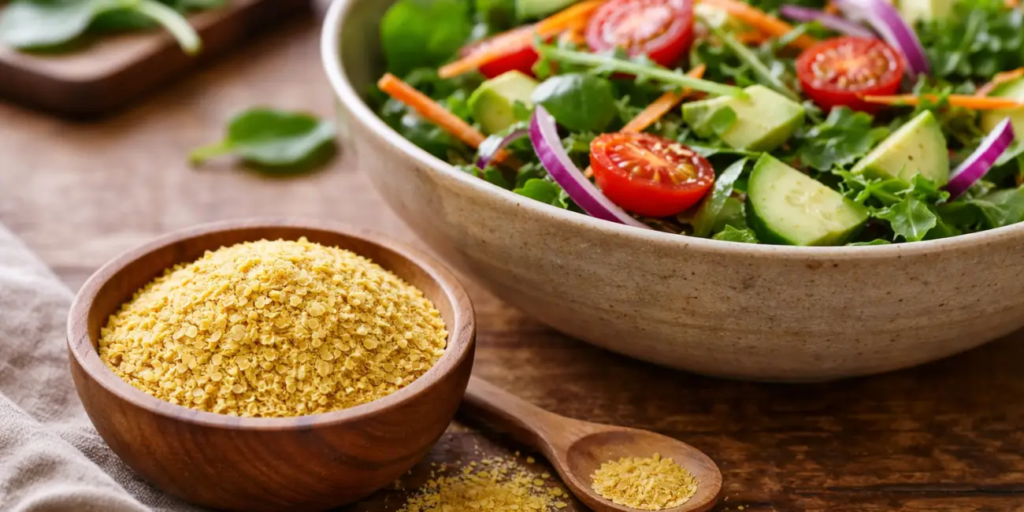
Sprinkle flakes directly over salads for added nutrition and flavor.
Blend Into Smoothies
Some people add small amounts to smoothies for extra nutrients.
Mix With Roasted Vegetables
It pairs well with:
- Broccoli
- Cauliflower
- Potatoes
- Brussels sprouts
Who Should Consider Adding Nutritional Yeast to Their Diet?
Nutritional yeast may be especially beneficial for:
- Vegans
- Vegetarians
- Older adults
- Active individuals
- People seeking more protein
- Those looking to increase B vitamin intake
However, it can be enjoyed by nearly anyone seeking a nutritious and flavorful food.
Expert Perspective: Is Nutritional Yeast Worth Eating?
From a nutritional standpoint, nutritional yeast offers an unusual combination of benefits.
It is:
- Nutrient dense
- Easy to use
- Affordable
- Shelf stable
- Rich in protein
- Often fortified with B12
Few foods provide this level of nutrition in such a small serving.
The biggest advantage is not that nutritional yeast is a miracle food. Instead, it is a practical tool that helps people improve the quality of their diets without major effort.
That makes it a valuable addition to many eating patterns.
Also Read: What Is Nutrition? A Complete Guide to Understanding Nutrition, Health, and Healthy Living
Final Verdict: Is Nutritional Yeast Good for You?
So, is nutritional yeast good for you?
For most people, the answer is yes.
Nutritional yeast is a nutrient-rich food that provides complete protein, B vitamins, fiber, antioxidants, and minerals. It may support energy production, immune function, digestive health, and overall wellness. Fortified varieties can also help meet vitamin B12 needs, particularly for vegans and vegetarians.
When consumed in reasonable amounts as part of a balanced diet, nutritional yeast can be a smart and healthy addition to everyday meals.
Its unique combination of flavor, convenience, and nutrition explains why it continues to grow in popularity among health-conscious consumers across the United States.
Frequently Asked Questions About Nutritional Yeast
Can nutritional yeast replace a multivitamin?
No. Nutritional yeast provides many nutrients, but it should not automatically replace a multivitamin. Individual nutritional needs vary.
Does nutritional yeast contain gluten?
Most nutritional yeast products are naturally gluten-free. However, always check the packaging for possible cross-contamination or manufacturing details.
Can children eat nutritional yeast?
Yes, nutritional yeast is generally safe for children when consumed as part of a balanced diet. Parents should follow serving recommendations and consult a healthcare provider if they have concerns.
Is nutritional yeast keto-friendly?
Many nutritional yeast products fit well into ketogenic diets because they are relatively low in carbohydrates and high in protein.
Does cooking destroy the nutrients in nutritional yeast?
Some nutrients may decrease with excessive heat, but nutritional yeast generally retains much of its nutritional value during normal cooking.
Can nutritional yeast help athletes?
Yes. Athletes may benefit from its protein content, B vitamins, and mineral profile, which support energy metabolism and recovery.
Does nutritional yeast contain probiotics?
No. Nutritional yeast is inactive yeast and does not provide live probiotic organisms.
Can nutritional yeast be eaten every day?
For most healthy adults, daily consumption in moderate amounts is considered safe and can be part of a nutritious diet.
How should nutritional yeast be stored?
Store it in a cool, dry place with the container tightly sealed. Proper storage helps preserve freshness and flavor.
Is nutritional yeast suitable for people with diabetes?
Nutritional yeast may fit into a diabetes-friendly diet because it provides protein and fiber while containing relatively few calories and sugars. Individual dietary needs should be discussed with a healthcare professional.