Is Nutritional Yeast Fattening? The Complete Guide to Calories, Weight Gain, and Healthy Eating
Many people who are trying to lose weight or maintain a healthy lifestyle often ask, “is nutritional yeast fattening?” It is a fair question because nutritional yeast has become one of the most popular health foods in America. It is commonly used in vegan recipes, weight-loss meal plans, high-protein diets, and healthy cooking.
The short answer is no, nutritional yeast is not fattening when consumed in normal amounts. In fact, it can be a helpful addition to a balanced diet because it is low in calories, rich in protein, packed with vitamins, and naturally satisfying.
However, understanding how nutritional yeast affects weight requires more than a simple yes-or-no answer. Factors such as portion size, overall calorie intake, eating habits, and dietary goals all play important roles.
In this detailed guide from seekde, we will explore everything you need to know about nutritional yeast, including its calorie content, nutritional value, weight-loss benefits, potential drawbacks, and how to use it wisely.
What Is Nutritional Yeast?
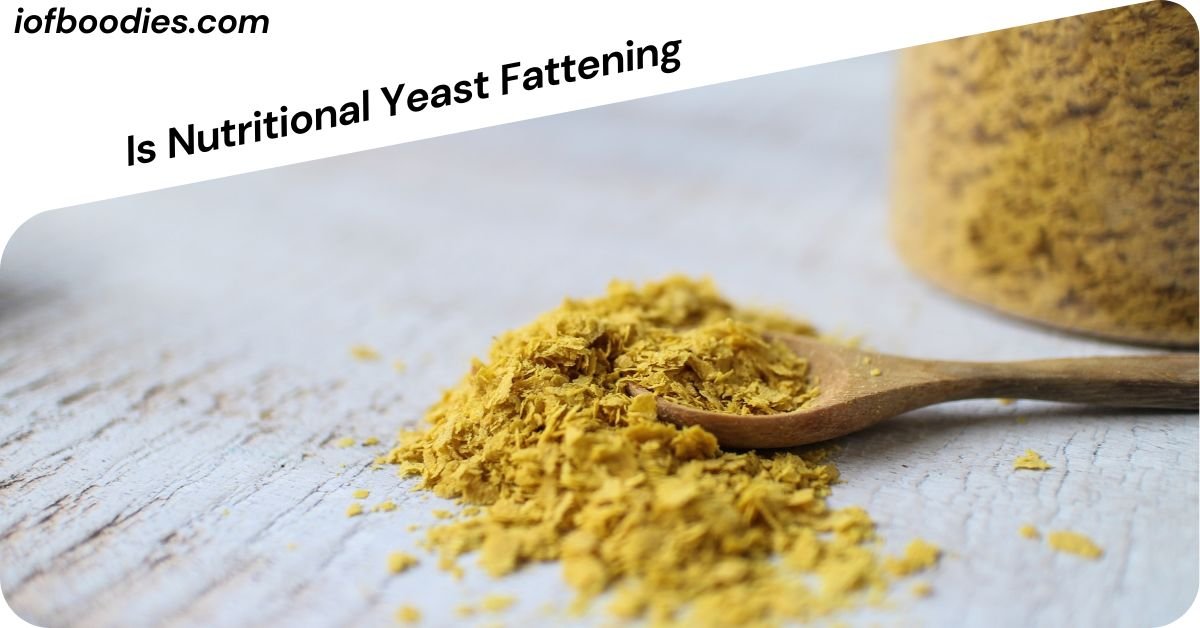
Nutritional yeast is a deactivated form of yeast that is grown specifically for food. Unlike baker’s yeast, it does not cause bread to rise. It is also different from brewer’s yeast, which is a byproduct of beer production.
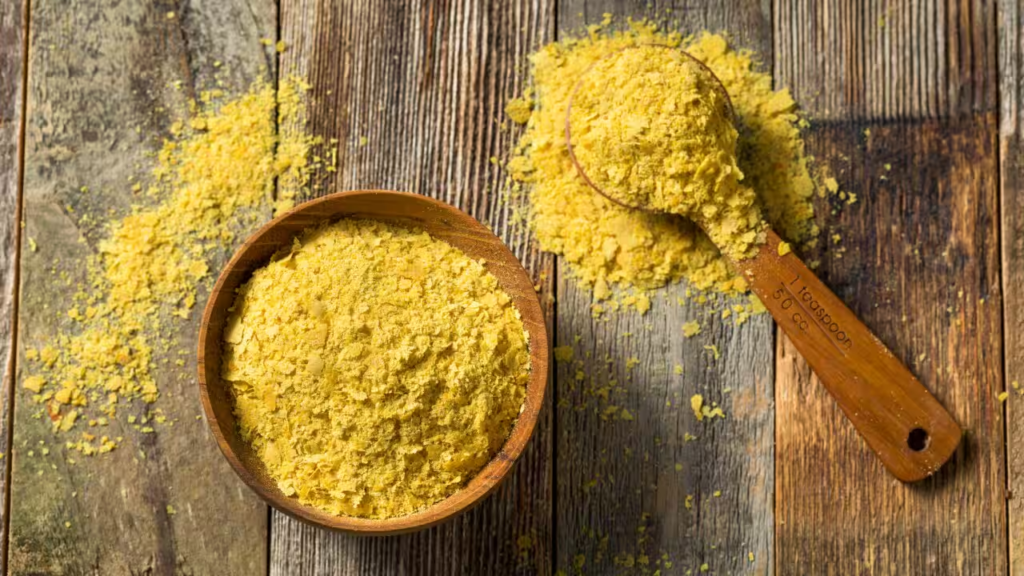
Nutritional yeast is usually sold as:
- Yellow flakes
- Fine powder
- Granules
It has a savory, cheesy, nutty flavor that makes it popular among vegans and health-conscious consumers.
People often sprinkle it on:
- Popcorn
- Pasta
- Salads
- Soups
- Vegetables
- Rice dishes
- Vegan cheese sauces
Its rich flavor allows people to enjoy food without relying heavily on high-fat cheese or calorie-dense sauces.
Is Nutritional Yeast Fattening?
No, nutritional yeast is generally not fattening.
Weight gain occurs when you consistently consume more calories than your body burns. Nutritional yeast contains relatively few calories while providing a large amount of nutrients.
Also Read: How to Read a Nutrition Label: The Complete Beginner’s Guide to Making Healthier Food Choices
A typical serving of nutritional yeast contains approximately:
- 20 to 40 calories
- 3 to 5 grams of protein
- Less than 1 gram of fat
- Small amounts of carbohydrates
- Significant amounts of B vitamins
Because it is low in calories and high in nutrients, nutritional yeast can fit easily into most weight-loss and weight-management plans.
Instead of causing weight gain, it may actually support healthy weight control by increasing feelings of fullness and helping reduce cravings.
Nutritional Yeast Nutrition Facts
Understanding the nutritional profile helps answer the question “is nutritional yeast fattening” more accurately.
A typical 2-tablespoon serving contains approximately:
Calories
About 40 calories.
Protein
Around 5 grams of complete protein.
Fat
Less than 1 gram.
Carbohydrates
Approximately 3 to 4 grams.
Fiber
Around 2 to 3 grams.
Vitamins
Many products are fortified with:
- Vitamin B1
- Vitamin B2
- Vitamin B3
- Vitamin B6
- Vitamin B12
- Folate
Minerals
It may also provide:
- Zinc
- Selenium
- Magnesium
- Potassium
This combination makes nutritional yeast one of the most nutrient-dense foods available for its calorie content.
Why Nutritional Yeast Is Unlikely to Cause Weight Gain
Low Calorie Density
Foods that contain many calories in small portions can contribute to weight gain if eaten excessively.
Nutritional yeast is the opposite.
A generous serving adds flavor and nutrients while contributing very few calories. This means you can enjoy its taste without significantly increasing your daily calorie intake.
Also Read: Does Nutritional Yeast Go Bad? Complete Storage, Shelf Life, and Freshness Guide
High Protein Content
Protein is known for increasing satiety.
When you feel full longer, you are less likely to overeat throughout the day.
The protein in nutritional yeast can help:
- Reduce hunger
- Control appetite
- Support muscle maintenance
- Improve diet satisfaction
These benefits may indirectly support weight management.
Contains Dietary Fiber
Fiber slows digestion and promotes fullness.
Many people struggle with overeating because their meals lack enough fiber.
Adding nutritional yeast to meals can contribute a small but useful amount of fiber that helps support healthy eating habits.
May Reduce High-Calorie Food Consumption
One overlooked benefit is that nutritional yeast can replace calorie-heavy toppings.
For example:
Instead of adding:
- Extra cheese
- Cream sauces
- Butter-heavy toppings
You can use nutritional yeast to achieve a similar savory flavor with far fewer calories.
Over time, these substitutions can reduce total calorie intake.
Can Nutritional Yeast Help With Weight Loss?
While nutritional yeast is not a weight-loss miracle, it can support weight-loss efforts in several ways.
Supports Fullness
Protein and fiber work together to keep you satisfied.
People who feel fuller are often able to stick to their calorie goals more easily.
Makes Healthy Foods Taste Better
Many individuals struggle to eat enough vegetables.
Nutritional yeast adds a cheesy, savory flavor that can make vegetables more enjoyable.
This may encourage healthier eating habits.
Supports Nutrient Intake During Calorie Restriction
When people reduce calories, they sometimes miss important nutrients.
Nutritional yeast provides valuable vitamins and minerals that can help support nutritional needs while dieting.
Helps Maintain Muscle
Protein is important during weight loss because it helps preserve lean muscle mass.
Maintaining muscle can support a healthy metabolism during calorie reduction.
How Many Calories Are in Nutritional Yeast?
One reason many people ask “is nutritional yeast fattening” is because they are unsure about its calorie content.
Typical calorie counts include:
- 1 tablespoon: approximately 20 calories
- 2 tablespoons: approximately 40 calories
- 1/4 cup: approximately 80 calories
Even larger portions remain relatively low in calories compared to many flavor enhancers.
For comparison:
- Cheese sauce often contains hundreds of calories per serving.
- Butter-based toppings can quickly add extra calories.
- Creamy dressings are often calorie-dense.
Nutritional yeast offers flavor with much lower calorie impact.
Does Nutritional Yeast Contain Fat?
Nutritional yeast contains very little fat.
Most brands provide less than 1 gram of fat per serving.
Because of this, fat content is not a major concern for individuals trying to manage their weight.
In fact, many people choose nutritional yeast specifically because it delivers rich flavor without significant fat.
Does Nutritional Yeast Increase Belly Fat?
No scientific evidence suggests that nutritional yeast specifically causes belly fat.
Abdominal fat develops primarily due to:
- Excess calorie consumption
- Sedentary lifestyle
- Genetics
- Hormonal factors
- Poor dietary patterns
No single food automatically creates belly fat.
If nutritional yeast is consumed as part of a balanced diet, it is very unlikely to contribute to abdominal weight gain.
Is Nutritional Yeast Good for a Low-Calorie Diet?
Yes.
Nutritional yeast is often recommended for low-calorie eating plans because it provides:
- Flavor
- Protein
- Vitamins
- Fiber
without adding many calories.
This combination makes it valuable for people trying to:
- Lose weight
- Maintain weight
- Improve nutrition
Many dietitians view nutrient-dense, low-calorie foods as ideal components of a healthy eating strategy.
Nutritional Yeast and Vegan Weight Management
Vegans often rely on nutritional yeast because it provides nutrients that can sometimes be difficult to obtain from plant-based diets.
Many fortified products contain vitamin B12, which is especially important for vegans.
For weight management, nutritional yeast offers:
- Plant-based protein
- Low calories
- Strong flavor
- Valuable vitamins
These qualities make it a useful tool for healthy vegan meal planning.
Can Eating Too Much Nutritional Yeast Cause Weight Gain?
Technically, any food can contribute to weight gain if consumed in excessive amounts.
However, nutritional yeast would be difficult to overeat because:
- It is very filling.
- It has a strong flavor.
- It is typically used as a seasoning rather than a main food.
That said, consuming extremely large amounts could add calories over time.
Moderation remains important.
Most people use between one and four tablespoons per day.
Best Ways to Use Nutritional Yeast Without Gaining Weight
Sprinkle It on Vegetables
Roasted vegetables become more flavorful with nutritional yeast.
This can increase vegetable consumption while keeping calories low.
Add It to Popcorn
Instead of butter-heavy popcorn toppings, use nutritional yeast for a savory taste.
Mix Into Soups
A small amount can add depth and richness to soups without excess calories.
Use in Salad Dressings
Nutritional yeast blends well into healthy homemade dressings.
Create Healthier Cheese Sauces
Many vegan cheese sauce recipes rely on nutritional yeast rather than high-fat dairy products.
Common Myths About Nutritional Yeast and Weight Gain
Myth 1: Yeast Causes Weight Gain
Many people mistakenly assume all yeast causes weight gain.
Nutritional yeast is inactive and does not function like baking yeast in the body.
It does not cause weight gain simply because it is called yeast.
Myth 2: It Is High in Carbohydrates
Nutritional yeast contains relatively few carbohydrates.
It can fit into many low-carb eating plans.
Myth 3: It Is Fattening Because It Tastes Like Cheese
Taste does not determine calorie content.
Although nutritional yeast tastes cheesy, it contains far fewer calories than most cheeses.
Myth 4: Weight-Loss Diets Should Avoid It
Many successful weight-loss programs include nutritional yeast because of its protein and nutrient content.
Potential Side Effects of Nutritional Yeast
Although nutritional yeast is safe for most people, some individuals should be cautious.
Possible concerns include:
Digestive Discomfort
Large amounts may cause:
- Bloating
- Gas
- Digestive upset
especially when introduced suddenly.
Migraine Sensitivity
Some sensitive individuals report headaches after consuming foods containing yeast extracts.
Certain Medical Conditions
People with specific health conditions should consult healthcare professionals before making major dietary changes.
Who Should Eat Nutritional Yeast?
Nutritional yeast can benefit:
- Vegans
- Vegetarians
- Athletes
- Weight-loss dieters
- Older adults
- Busy professionals
- Health-conscious families
Its versatility and nutrient profile make it suitable for many dietary approaches.
Who Should Limit Nutritional Yeast?
Certain individuals may need moderation, including:
- People with yeast sensitivities
- Individuals prone to migraines
- Those advised by healthcare providers to limit specific nutrients
For most healthy adults, moderate consumption is considered safe.
Expert Analysis: Is Nutritional Yeast Worth Adding to Your Diet?
From a nutrition perspective, nutritional yeast offers an impressive balance of benefits.
It provides:
- High nutrient density
- Low calorie content
- Quality protein
- Valuable vitamins
- Strong flavor enhancement
One of the biggest challenges in healthy eating is making nutritious foods enjoyable.
Nutritional yeast helps solve this problem by adding satisfying flavor to vegetables, grains, and healthy meals.
This may improve long-term adherence to healthy eating patterns, which is ultimately more important than any single food.
At seekde, our analysis suggests that nutritional yeast is one of the most practical low-calorie seasonings available for people focused on nutrition and weight management.
Practical Weight-Loss Strategy Using Nutritional Yeast
Rather than viewing nutritional yeast as a miracle food, consider using it strategically.
Replace higher-calorie ingredients such as:
- Cheese
- Butter
- Cream sauces
- Heavy toppings
with nutritional yeast when appropriate.
These small substitutions can create meaningful calorie savings over weeks and months.
Consistent calorie control—not individual foods—is what drives sustainable weight management.
Final Verdict: Is Nutritional Yeast Fattening?
No, nutritional yeast is not fattening when consumed as part of a balanced diet.
Its low calorie content, high protein levels, fiber content, and nutrient density make it a smart choice for many people.
In fact, nutritional yeast may support healthy weight management by:
- Increasing fullness
- Enhancing healthy foods
- Replacing high-calorie ingredients
- Providing important nutrients
Weight gain results from consuming more calories than the body needs over time—not from nutritional yeast itself.
For most people, nutritional yeast can be a valuable addition to a healthy eating plan and may even help support long-term weight-control goals.
Frequently Asked Questions About Is Nutritional Yeast Fattening
Can I eat nutritional yeast every day?
Yes. Most healthy adults can enjoy nutritional yeast daily in moderate amounts as part of a balanced diet.
Is nutritional yeast keto-friendly?
Many keto followers use nutritional yeast because it is relatively low in carbohydrates and rich in flavor.
Does nutritional yeast break a fast?
Yes. Nutritional yeast contains calories, protein, and carbohydrates, so it generally breaks a strict fast.
Is nutritional yeast healthier than cheese?
They serve different purposes, but nutritional yeast is usually lower in calories and fat while providing beneficial vitamins and protein.
Can nutritional yeast replace protein powder?
Not completely. Nutritional yeast provides protein, but protein powders typically contain much higher amounts per serving.
Does cooking destroy the nutrients in nutritional yeast?
Some vitamins may be affected by high heat, but many nutrients remain available after cooking.
Can children eat nutritional yeast?
Yes. Nutritional yeast is generally safe for children when included as part of a healthy diet.
Is nutritional yeast good before a workout?
Its protein and B vitamins may support overall nutrition, making it a useful addition to pre-workout meals.
Does nutritional yeast contain sugar?
Most nutritional yeast products contain little to no added sugar.
Can nutritional yeast help reduce cravings?
Some people find that its savory flavor and protein content help them feel more satisfied, which may reduce cravings for less nutritious foods.