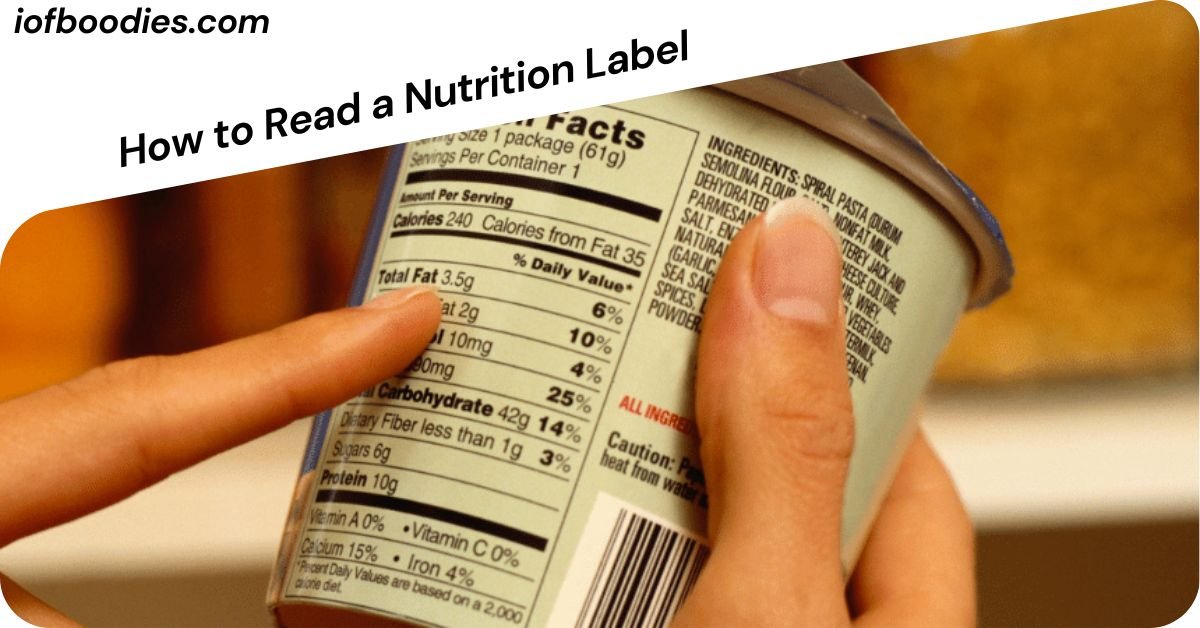
How to Read a Nutrition Label: The Complete Beginner’s Guide to Making Healthier Food Choices
Learning how to read a nutrition label is one of the most important skills for anyone who wants to eat healthier, manage weight, control blood sugar, build muscle, or simply understand what is inside packaged foods.
Many people look at food packages every day but never fully understand what the numbers and percentages mean. Food companies often use attractive packaging, health claims, and marketing messages that can make products appear healthier than they really are. The Nutrition Facts label helps you look beyond the marketing and understand the actual nutritional value of a food product.
Whether you are trying to lose weight, improve your diet, manage diabetes, increase protein intake, or support your family’s health, understanding nutrition labels can help you make smarter food choices.
In this complete guide, you will learn how to read a nutrition facts label, understand serving sizes, calories, protein, fats, carbohydrates, vitamins, minerals, ingredient lists, and much more. By the end of this article, you will know how to properly read a nutrition label with confidence every time you shop.
Why Learning How to Read a Nutrition Label Matters
The Nutrition Facts label was designed to help consumers make informed decisions about the foods they eat.
Understanding nutrition labels can help you:
- Choose healthier foods
- Compare products quickly
- Control calorie intake
- Manage blood sugar levels
- Increase protein consumption
- Reduce added sugars
- Limit sodium intake
- Support heart health
- Reach weight management goals
- Build balanced meals
Many people focus only on calories. While calories are important, they are only one part of the overall nutrition picture. A complete understanding of the label allows you to evaluate food quality, not just calorie content.
What Is a Nutrition Facts Label?
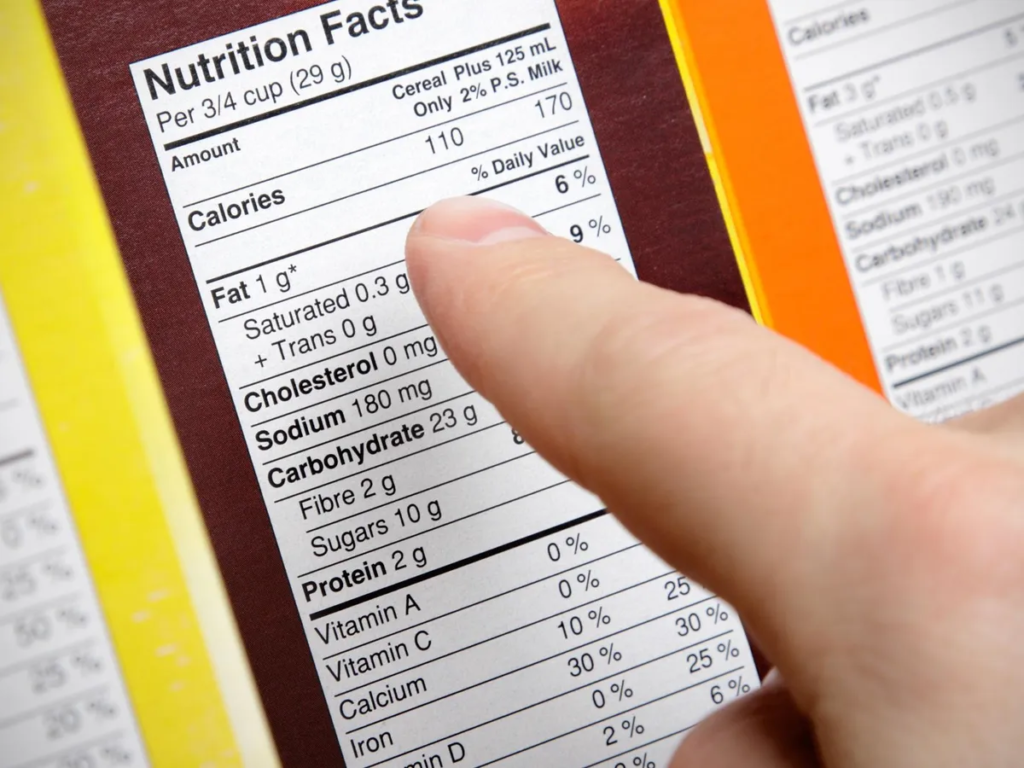
A Nutrition Facts label is a standardized panel found on most packaged foods sold in the United States.
It provides important information about:
- Serving size
- Calories
- Total fat
- Saturated fat
- Trans fat
- Cholesterol
- Sodium
- Carbohydrates
- Fiber
- Sugars
- Added sugars
- Protein
- Vitamins and minerals
The Nutrition Facts label helps consumers compare foods using the same format across different brands and products.
Understanding the Parts of a Nutrition Facts Label
Before diving deeper into how to read a nutrition label, it helps to understand the main sections.
Serving Size
The serving size appears at the top of the label.
This tells you the amount of food that all nutrition information is based on.
For example:
Serving Size: 1 cup
If you eat 1 cup, you consume exactly the listed calories and nutrients.
If you eat 2 cups, you consume double everything shown on the label.
One of the biggest mistakes consumers make is ignoring serving sizes.
A bag of chips may appear to contain only 150 calories, but if the package contains 3 servings and you eat the whole bag, you actually consume 450 calories.
Always start by checking the serving size first.
Also Read: Can Coke Nutritional Information: Complete Guide to Calories, Sugar, Caffeine, and Health Facts
Number of Servings Per Container
Next, look at how many servings are inside the package.
For example:
- Serving Size: 1 cup
- Servings Per Container: 4
If you eat the entire package, multiply all nutrition values by 4.
This simple step can dramatically improve your understanding of your food intake.
Calories
Calories indicate how much energy you get from one serving.
Example:
Calories: 220
This means one serving provides 220 calories.
General calorie guidelines:
- 40 calories = low
- 100 calories = moderate
- 400 calories or more = high
However, calories should never be viewed alone.
A food with 200 calories and high protein may be more nutritious than a food with 200 calories and large amounts of added sugar.
Protein: One of the Most Important Numbers
The first item many nutrition experts recommend checking is the grams of protein per serving.
Protein plays a major role in:
- Building muscle
- Supporting metabolism
- Repairing tissues
- Reducing hunger
- Supporting healthy aging
For many people, protein is one of the most valuable nutrients to monitor.
Examples:
- Greek yogurt: 15–20 grams
- Chicken breast: 25–30 grams
- Protein bar: 10–20 grams
- Bread: 2–5 grams
If your goal is muscle growth, weight management, or healthy aging, protein content should be one of your primary guides when selecting foods.
Higher-protein foods often help you stay full longer than foods high in refined carbohydrates.
Understanding Total Fat
Fat is an essential nutrient that supports:
- Brain health
- Hormone production
- Cell function
- Nutrient absorption
The Nutrition Facts label lists total fat and fat subcategories.
Total Fat
This includes all fats present in the food.
Not all fats are unhealthy.
Healthy fats can support overall wellness when consumed in appropriate amounts.
Saturated Fat
Saturated fat should generally be limited.
Foods high in saturated fat include:
- Fatty meats
- Butter
- Full-fat dairy products
- Certain processed foods
Lower saturated fat intake is generally associated with better heart health.
Trans Fat
Trans fats are considered the least healthy type of fat.
Ideally, choose products with:
0 grams trans fat
Even when a label says zero trans fat, check the ingredient list for partially hydrogenated oils.
Avoid foods containing these ingredients whenever possible.
Cholesterol
Cholesterol is listed in milligrams.
While dietary cholesterol is no longer viewed as the primary cause of high blood cholesterol for most people, some individuals may still benefit from monitoring intake based on medical advice.
Sodium
Sodium is one of the most important nutrients to watch.
Excess sodium intake may contribute to:
- High blood pressure
- Heart disease
- Kidney problems
General guidelines:
- 140 mg or less = low sodium
- 400 mg or more = high sodium
Many packaged foods contain surprisingly high sodium levels.
Common high-sodium foods include:
- Frozen meals
- Canned soups
- Processed meats
- Snack foods
- Fast food items
Comparing labels can help reduce sodium intake significantly.
Total Carbohydrates
Carbohydrates provide energy and include:
- Fiber
- Sugars
- Starches
The total carbohydrate number includes all three.
Understanding carbohydrate content is especially important for individuals monitoring blood sugar levels.
Dietary Fiber
Fiber is one of the most beneficial nutrients on the Nutrition Facts label.
Benefits include:
- Improved digestion
- Better blood sugar control
- Increased fullness
- Heart health support
- Weight management
General guideline:
Aim for foods with higher fiber content.
A good source contains:
3 grams or more per serving
An excellent source contains:
5 grams or more per serving
Foods rich in fiber include:
- Whole grains
- Beans
- Fruits
- Vegetables
- Nuts
- Seeds
Total Sugars
Total sugars include both natural and added sugars.
Natural sugars occur naturally in foods such as:
- Fruit
- Milk
- Yogurt
Natural sugars are not necessarily unhealthy because they often come packaged with vitamins, minerals, fiber, or protein.
Added Sugars
Added sugars deserve special attention.
These are sugars added during processing.
Examples include:
- Cane sugar
- Corn syrup
- Honey
- Brown sugar
- High-fructose corn syrup
- Agave syrup
High added sugar intake may contribute to:
- Weight gain
- Blood sugar spikes
- Tooth decay
- Heart disease risk
A lower added sugar number is usually better.
When comparing products, choose the option with less added sugar whenever possible.
Vitamins and Minerals
Modern Nutrition Facts labels highlight important nutrients such as:
- Vitamin D
- Calcium
- Iron
- Potassium
These nutrients support:
- Bone health
- Blood health
- Muscle function
- Heart health
- Immune function
Foods providing higher percentages of these nutrients can help improve overall diet quality.
Understanding Daily Value Percentage (%DV)
One of the most misunderstood sections of the label is Percent Daily Value.
The %DV shows how much a nutrient contributes to a typical daily diet.
Simple rule:
- 5% DV or less = low
- 20% DV or more = high
Example:
Calcium 20% DV
This means one serving provides 20% of your daily calcium needs.
Use Daily Values to compare products and identify foods rich in beneficial nutrients.
How to Properly Read a Nutrition Label Step by Step
If you are wondering how to properly read a nutrition label, follow this simple process.
Step 1: Check the Serving Size
Always start here.
Everything else depends on the serving size.
Step 2: Look at Calories
Determine whether the calorie amount fits your goals.
Step 3: Examine Protein
Protein is often a key indicator of satiety and nutritional value.
Step 4: Review Added Sugars
Choose products with lower added sugar content.
Step 5: Evaluate Fiber
More fiber generally means a healthier choice.
Step 6: Check Sodium
Aim for lower sodium options whenever possible.
Step 7: Consider Saturated Fat
Choose foods lower in saturated fat.
Step 8: Review the Ingredient List
Never stop at the Nutrition Facts panel.
The ingredient list provides additional important information.
How to Read the Ingredient List
Ingredients are listed in descending order by weight.
The first ingredient is present in the greatest amount.
For example:
Ingredients:
Whole Grain Oats, Almonds, Honey, Salt
This means oats are the primary ingredient.
Look for:
- Whole foods
- Whole grains
- Recognizable ingredients
Limit products where sugar appears among the first few ingredients.
How to Read a Nutrition Label for Diabetics
Understanding how to read a nutrition label for diabetics is especially important because blood sugar management depends heavily on food choices.
Focus on these key areas:
Total Carbohydrates
Carbohydrates have the greatest impact on blood sugar.
Monitor total carbohydrate content carefully.
Fiber
Higher fiber foods often result in slower glucose absorption.
Added Sugars
Choose products with lower added sugar content.
Protein
Protein may help improve meal satisfaction and blood sugar balance.
Serving Size
Eating multiple servings increases carbohydrate intake significantly.
For people with diabetes, the carbohydrate number is often more important than the sugar number alone.
Always discuss specific dietary needs with a healthcare professional.
Common Nutrition Label Mistakes
Many consumers make the same mistakes repeatedly.
Ignoring Serving Sizes
This is the most common error.
Focusing Only on Calories
Nutrition quality matters just as much as calories.
Ignoring Added Sugars
Many “healthy” foods contain large amounts of added sugar.
Forgetting About Sodium
High sodium intake is common in packaged foods.
Not Reading Ingredients
Marketing claims do not always reflect nutrition quality.
Food Marketing Claims You Should Understand
Many package claims can be misleading.
Natural
Natural does not automatically mean healthy.
Also Read: What Is Nutritive? A Complete Guide to Understanding Nutrition, Nutritive Value, and Healthy Living
Multigrain
Multigrain does not always mean whole grain.
Fat-Free
Fat-free products may contain added sugar.
Sugar-Free
Sugar-free does not necessarily mean carbohydrate-free.
Organic
Organic foods can still contain calories, sugar, and fat.
Always verify claims using the Nutrition Facts label.
Comparing Two Products Using Nutrition Labels
Imagine two cereals.
Cereal A
- Calories: 180
- Protein: 3g
- Fiber: 1g
- Added Sugar: 15g
Cereal B
- Calories: 190
- Protein: 8g
- Fiber: 6g
- Added Sugar: 4g
Many shoppers might choose Cereal A because it has slightly fewer calories.
However, Cereal B provides significantly more protein and fiber while containing less added sugar.
This example shows why learning how to read a nutrition label leads to smarter food choices.
How to Read a Nutrition Label PDF
Many people search for a how to read a nutrition label PDF because they want a printable guide.
When reviewing any PDF guide, ensure it covers:
- Serving sizes
- Calories
- Protein
- Fat
- Carbohydrates
- Fiber
- Added sugars
- Sodium
- Daily values
- Ingredient lists
You can also create your own quick-reference checklist using the step-by-step method provided in this article.
Nutrition Labels for Weight Loss
For weight management goals, prioritize foods that provide:
- Higher protein
- Higher fiber
- Lower added sugars
- Appropriate calorie levels
Foods with protein and fiber often increase fullness and reduce overeating.
Instead of choosing the lowest-calorie option, choose the most filling and nutrient-dense option.
Nutrition Labels for Muscle Building
If your goal is muscle growth, focus on:
- Protein content
- Serving size
- Calories
- Carbohydrates for training energy
Protein-rich foods can help support muscle recovery and growth when combined with resistance training.
Nutrition Labels for Heart Health
For heart health, prioritize:
- Lower sodium
- Lower trans fat
- Lower saturated fat
- Higher fiber
Whole-food ingredients and nutrient-rich foods generally support cardiovascular wellness.
Quick Nutrition Label Checklist
Before putting a product in your cart, ask:
- What is the serving size?
- How many servings are in the package?
- How many calories per serving?
- How much protein does it contain?
- How much fiber is included?
- How much added sugar is present?
- Is sodium reasonable?
- Are ingredients recognizable?
- Does the product fit my health goals?
- Is there a healthier alternative nearby?
Following this checklist can improve shopping decisions dramatically.
The Future of Nutrition Labels
Nutrition labeling continues to evolve as nutrition science advances.
Consumers today have access to more information than ever before, including:
- Added sugar disclosures
- Updated serving sizes
- Improved nutrient transparency
Future labeling improvements may include greater personalization and digital nutrition tools that help consumers make even more informed decisions.
Final Thoughts
Understanding how to read a nutrition label is one of the most powerful habits you can develop for lifelong health.
A Nutrition Facts label is much more than a collection of numbers. It is a tool that helps you understand what you are putting into your body and whether a food supports your personal health goals.
The most effective approach is simple:
Start with serving size, review calories, examine protein, check fiber, limit added sugars, monitor sodium, and read the ingredient list.
The more often you practice these steps, the easier they become.
Over time, learning how to read a nutrition facts label will help you make smarter decisions, improve diet quality, manage health conditions, and build lasting healthy eating habits.
Frequently Asked Questions About How to Read a Nutrition Label
Is it better to focus on calories or nutrients?
Nutrients should generally be your primary focus. Foods rich in protein, fiber, vitamins, and minerals often provide greater health benefits than foods chosen solely because they are low in calories.
Why do some healthy foods have high calorie counts?
Foods such as nuts, seeds, avocados, and nut butters contain healthy fats that naturally increase calorie content while still providing valuable nutrients.
Should children learn how to read nutrition labels?
Yes. Teaching children how to read nutrition labels can help them develop healthier eating habits that last throughout life.
Are frozen foods unhealthy?
Not necessarily. Many frozen foods retain excellent nutritional value. Always check the Nutrition Facts label for sodium, protein, fiber, and added sugars.
Can I trust front-of-package health claims?
Health claims can be useful, but they should never replace reading the Nutrition Facts label and ingredient list.
How often do nutrition labels change?
Nutrition labeling regulations can change as nutrition science evolves. Updates may include new nutrient requirements, serving size adjustments, or revised daily values.
What is the fastest way to compare two products?
Compare serving size, protein, fiber, added sugars, sodium, and calories. These factors often provide the clearest picture of overall nutritional quality.
Why is protein important when reading nutrition labels?
Protein supports muscle maintenance, recovery, satiety, and overall health. Many nutrition experts recommend checking protein content early when evaluating packaged foods.
Can nutrition labels help prevent overeating?
Yes. Understanding serving sizes and calories can improve portion awareness and help prevent accidental overconsumption.
What is the most important thing to remember about how to read a nutrition label?
Always start with serving size. Every number on the Nutrition Facts panel is based on that serving amount. Ignoring serving size can lead to major misunderstandings about calories and nutrients.