Do Onions Have Nutritional Value? A Complete Guide to the Nutrition, Health Benefits, and Uses of Onions
When people think about healthy foods, vegetables like spinach, broccoli, and carrots often come to mind first. However, onions are one of the most widely used vegetables in American kitchens and around the world. They add flavor, aroma, and depth to countless dishes. But many people still ask an important question: do onions have nutritional value?
The simple answer is yes. Onions contain vitamins, minerals, antioxidants, fiber, and plant compounds that can support overall health. While onions are not as nutrient-dense as some leafy green vegetables, they offer unique health benefits that make them a valuable part of a balanced diet.
In this comprehensive guide, we will explore everything you need to know about onion nutrition, health benefits, different types of onions, how they compare to other vegetables, and why nutrition experts continue to recommend them.
Do Onions Have Nutritional Value? The Short Answer
Yes, onions have nutritional value. They provide important nutrients while being naturally low in calories and fat.
Many people mistakenly believe onions are used only for flavor. In reality, onions contain beneficial compounds that support heart health, immune function, digestion, and overall wellness.
If you have ever wondered, do onions have any nutritional value, the answer is clearly yes. Even though onions are often consumed in smaller amounts than other vegetables, they still contribute valuable nutrients to your daily diet.
What Nutritional Value Do Onions Have?
To understand the benefits of onions, it helps to look at their nutritional profile.
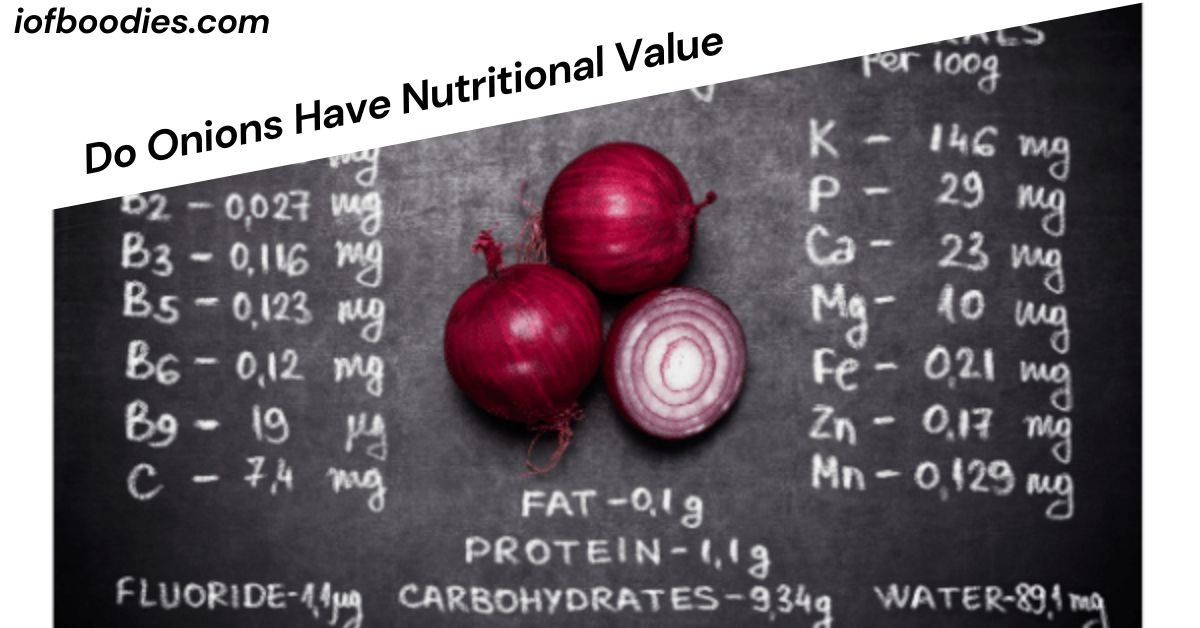
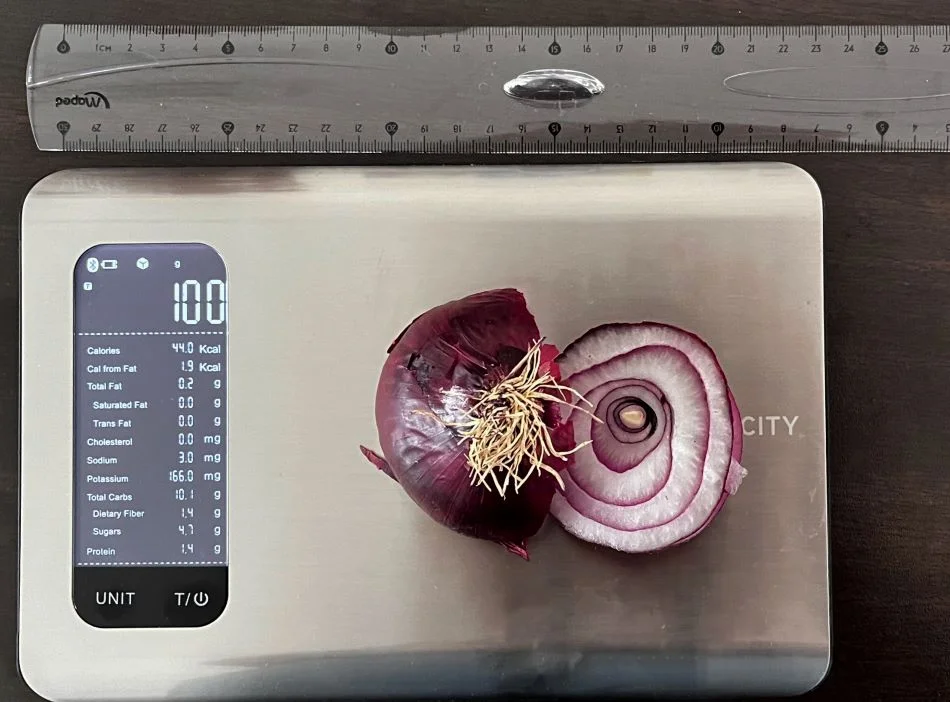
A medium onion (about 110 grams) typically contains:
- Calories: 44
- Carbohydrates: 10 grams
- Fiber: 1.9 grams
- Protein: 1.2 grams
- Fat: 0.1 grams
- Vitamin C: Approximately 9% of the Daily Value
- Folate: Small amounts
- Potassium: Around 160 mg
- Vitamin B6: Small amounts
- Manganese: Small amounts
Besides these nutrients, onions are rich in beneficial plant compounds and antioxidants.
When people ask, what nutritional value do onions have, the answer goes beyond vitamins and minerals. Their real strength comes from naturally occurring compounds that may help protect the body from oxidative stress and inflammation.
Also Read: Why Is Nutrition Important? A Complete Guide to Health, Energy, and Long-Term Wellness
Understanding Onion Antioxidants
One reason onions receive attention from nutrition researchers is their antioxidant content.
Antioxidants help protect cells from damage caused by free radicals. Over time, free radical damage may contribute to aging and chronic diseases.
Some important antioxidants found in onions include:
- Quercetin
- Anthocyanins (especially in red onions)
- Sulfur compounds
- Flavonoids
These compounds help explain why onions have been used in traditional diets for centuries.
Quercetin: The Star Nutrient in Onions
Quercetin is one of the most studied antioxidants in onions.
Research suggests quercetin may help:
- Support heart health
- Reduce inflammation
- Support healthy blood pressure
- Protect cells from oxidative damage
- Promote immune function
Red and yellow onions generally contain higher levels of quercetin than white onions.
Calories in Onions: A Low-Calorie Nutritional Choice
One of the biggest advantages of onions is that they are very low in calories.
A medium onion contains fewer than 50 calories.
This makes onions an excellent ingredient for people trying to:
- Lose weight
- Maintain weight
- Improve diet quality
- Increase vegetable intake
Because onions add significant flavor without adding many calories, they can help make healthy meals more satisfying.
The Fiber Content in Onions
Fiber is an important nutrient that many Americans do not consume enough of.
Onions contain dietary fiber, which can help:
- Support digestion
- Promote regular bowel movements
- Increase feelings of fullness
- Support gut health
- Help maintain healthy cholesterol levels
Although onions are not the highest-fiber vegetable available, every source of fiber contributes to better overall nutrition.
How Onions Support Gut Health
One lesser-known benefit of onions is their role in gut health.
Onions contain prebiotics, which are compounds that feed beneficial bacteria in the digestive system.
Healthy gut bacteria help with:
- Digestion
- Immune support
- Nutrient absorption
- Overall wellness
The prebiotic fiber in onions, especially in raw onions, can help create a healthier digestive environment.
This is one reason nutrition experts increasingly recognize onions as more than just a flavoring ingredient.
Vitamin C in Onions
Vitamin C plays several important roles in the body.
It helps:
- Support immune function
- Promote wound healing
- Aid collagen production
- Improve iron absorption
- Protect cells from oxidative damage
Although onions are not as rich in vitamin C as citrus fruits, they still contribute meaningful amounts to a healthy diet.
Potassium Benefits in Onions
Potassium is an essential mineral that supports:
- Muscle function
- Nerve signaling
- Fluid balance
- Heart health
Most Americans do not consume enough potassium.
While onions are not among the highest-potassium vegetables, they provide additional potassium that contributes to overall nutrient intake.
Do Green Onions Have Any Nutritional Value?
Many people wonder, do green onions have any nutritional value compared to regular onions.
The answer is yes.
Green onions, also called scallions, contain valuable nutrients and offer several nutritional advantages.
Green onions provide:
- Vitamin K
- Vitamin C
- Folate
- Antioxidants
- Fiber
Because the green tops are often consumed, green onions may contain more certain vitamins than mature bulb onions.
If you are asking, do green onions have nutritional value, the answer is definitely yes. They are a nutritious vegetable that can enhance salads, soups, tacos, and many other dishes.
Nutritional Comparison: Green Onions vs Regular Onions
Both types are healthy, but there are differences.
Green onions generally contain:
- More vitamin K
- More vitamin A
- More folate
Regular onions generally provide:
- More quercetin
- More sulfur compounds
- More overall carbohydrate content
Including both in your diet can provide a wider range of nutrients.
Red Onions vs White Onions vs Yellow Onions
Different onion varieties have slightly different nutritional profiles.
Red Onions
Red onions are rich in:
- Anthocyanins
- Quercetin
- Antioxidants
Their deep color indicates higher levels of protective plant compounds.
Yellow Onions
Yellow onions are:
- Versatile
- Rich in sulfur compounds
- High in antioxidants
They are often considered the best all-purpose onion.
White Onions
White onions have:
- Milder flavor
- Slightly lower antioxidant levels
- Similar vitamin and mineral content
All three varieties provide nutritional benefits.
Raw Onions vs Cooked Onions
Another common question is whether cooking affects onion nutrition.
The answer is yes, but not necessarily in a negative way.
Benefits of Raw Onions
Raw onions may contain:
- More vitamin C
- Higher levels of certain sulfur compounds
- Stronger prebiotic effects
Benefits of Cooked Onions
Cooked onions offer:
- Easier digestion
- Sweeter flavor
- Better texture for many recipes
Cooking may reduce some nutrients but can also make others easier to absorb.
A balanced diet can include both raw and cooked onions.
Can Onions Support Heart Health?
Heart disease remains one of the leading health concerns in the United States.
Onions may support cardiovascular health through several mechanisms.
Potential benefits include:
- Antioxidant protection
- Reduced inflammation
- Improved blood vessel function
- Support for healthy cholesterol levels
- Support for healthy blood pressure
The combination of quercetin and sulfur compounds is particularly promising for heart health.
Do Onions Help the Immune System?
Many people use onions during cold and flu season.
While onions are not a cure for illness, their nutrients may help support immune function.
Contributing factors include:
- Vitamin C
- Antioxidants
- Anti-inflammatory compounds
- Prebiotic fibers
A healthy immune system depends on overall dietary patterns, and onions can be part of that picture.
Can Onions Help With Blood Sugar Management?
Research continues to explore the relationship between onions and blood sugar control.
Some studies suggest compounds in onions may help support:
- Healthy insulin function
- Glucose metabolism
- Blood sugar balance
While onions should not replace medical treatment, they can be part of a healthy diet for individuals focused on blood sugar management.
Are Onions Good for Weight Loss?
Many nutrition professionals recommend onions during weight-loss programs.
Reasons include:
- Low calorie content
- Fiber content
- Strong flavor enhancement
- Increased meal satisfaction
Replacing high-calorie sauces and flavorings with onions can help reduce overall calorie intake.
The Sulfur Compounds That Make Onions Special
The strong smell and taste of onions come from sulfur compounds.
These compounds are responsible for many of the vegetable’s unique health properties.
Potential benefits include:
- Antioxidant activity
- Cellular protection
- Support for detoxification pathways
- Cardiovascular support
The sulfur compounds are also why onions make many people cry when cutting them.
Why Onions Are Considered Functional Foods
A functional food is one that provides health benefits beyond basic nutrition.
Onions fit this description because they offer:
- Vitamins
- Minerals
- Antioxidants
- Prebiotics
- Phytochemicals
These compounds work together to support overall wellness.
Do Organic Onions Have More Nutritional Value?
Many consumers wonder whether organic onions are healthier.
The nutritional differences between organic and conventional onions are generally small.
The most important factor is eating onions regularly, regardless of how they were grown.
Both organic and conventional onions can contribute valuable nutrients to a healthy diet.
How Many Onions Should You Eat?
There is no official recommendation for onion intake.
However, including onions several times per week can help increase vegetable consumption and dietary variety.
Practical serving sizes include:
- Half an onion in a meal
- One medium onion in recipes
- A handful of green onions in salads
Moderation remains important, especially for individuals with digestive sensitivities.
Possible Side Effects of Eating Onions
Although onions are healthy for most people, some individuals may experience issues.
Possible side effects include:
- Gas
- Bloating
- Heartburn
- Digestive discomfort
- Irritable bowel syndrome symptoms
Cooking onions may reduce these effects for some people.
Best Ways to Add More Onions to Your Diet
Simple ways to enjoy onions include:
- Adding them to salads
- Mixing them into soups
- Including them in stir-fries
- Roasting them with vegetables
- Using them in sandwiches
- Adding green onions to tacos
- Incorporating them into omelets
The versatility of onions makes them easy to include in daily meals.
Common Myths About Onion Nutrition
Myth 1: Onions Are Just Flavoring
False.
Onions provide vitamins, minerals, antioxidants, and prebiotics.
Myth 2: Cooking Destroys All Nutrients
False.
Cooking changes some nutrients but does not eliminate all nutritional value.
Myth 3: Green Onions Are Not Nutritious
False.
For those wondering, do green onions have any nutritional value, they absolutely do and contribute valuable vitamins and antioxidants.
Myth 4: Onions Are Too High in Sugar
False.
Onions contain natural sugars, but the amount is relatively small and comes with beneficial nutrients.
Expert Analysis: Why Onions Deserve More Recognition
Many vegetables receive attention because they contain large amounts of vitamins. Onions deserve recognition for a different reason.
ALso Read: What Is Nutritional Yeast Used For? A Complete Guide to Benefits, Uses, Nutrition, and Cooking Tips
Their value comes from a unique combination of:
- Antioxidants
- Sulfur compounds
- Prebiotic fibers
- Low calorie content
- Culinary versatility
This combination allows onions to support multiple aspects of health simultaneously.
One interesting observation is that onions are often consumed consistently throughout life. Unlike trendy superfoods that come and go, onions remain a staple in healthy dietary patterns worldwide.
This consistency may be one of the biggest reasons they contribute positively to long-term health.
Final Verdict: Do Onions Have Nutritional Value?
After examining the evidence, the answer is clear.
Yes, do onions have nutritional value is a question with a strong and positive answer.
Onions provide:
- Vitamin C
- Fiber
- Potassium
- Antioxidants
- Quercetin
- Sulfur compounds
- Prebiotic fibers
They support digestion, heart health, immune function, and overall wellness while remaining low in calories.
Whether you prefer yellow onions, white onions, red onions, or green onions, each variety offers nutritional benefits that can contribute to a healthy diet.
For anyone asking do onions have any nutritional value, what nutritional value do onions have, do green onions have any nutritional value, or do green onions have nutritional value, the evidence shows that onions are much more than a simple cooking ingredient. They are a nutrient-rich vegetable that deserves a place in a balanced and healthy eating plan.
Frequently Asked Questions About Onion Nutrition
Do onions lose nutritional value when frozen?
Frozen onions retain most of their nutrients. Some vitamin C may decrease over time, but antioxidants, fiber, and minerals generally remain stable.
Which onion color has the highest antioxidant content?
Red onions typically contain the highest antioxidant levels because they are rich in anthocyanins and quercetin.
Can children benefit from eating onions?
Yes. Onions provide vitamins, antioxidants, and fiber that can support healthy growth and development when included in age-appropriate meals.
Are onion powders nutritionally similar to fresh onions?
Onion powder contains some antioxidants and minerals, but fresh onions generally provide more nutrients and beneficial plant compounds.
Do onions contain protein?
Yes, onions contain small amounts of protein, though they are not considered a major protein source.
Can onions be part of a low-carb diet?
Yes. Onions contain carbohydrates but are commonly included in low-carb eating plans when consumed in moderation.
Do onions contain iron?
Onions provide small amounts of iron, which contributes to overall nutrient intake but is not a major source of this mineral.
Are sweet onions less nutritious than regular onions?
Sweet onions have a similar nutritional profile to other onion varieties, though antioxidant levels may vary slightly.
Can eating onions daily be healthy?
For most people, eating onions daily can be a healthy habit because they provide antioxidants, fiber, and beneficial plant compounds.
Do onions help increase vegetable intake?
Yes. Because onions are used in many dishes, they can help people consume more vegetables and improve overall diet quality.