Where Does Nutrition Absorption Take Place? A Complete Guide to How Your Body Absorbs Nutrients
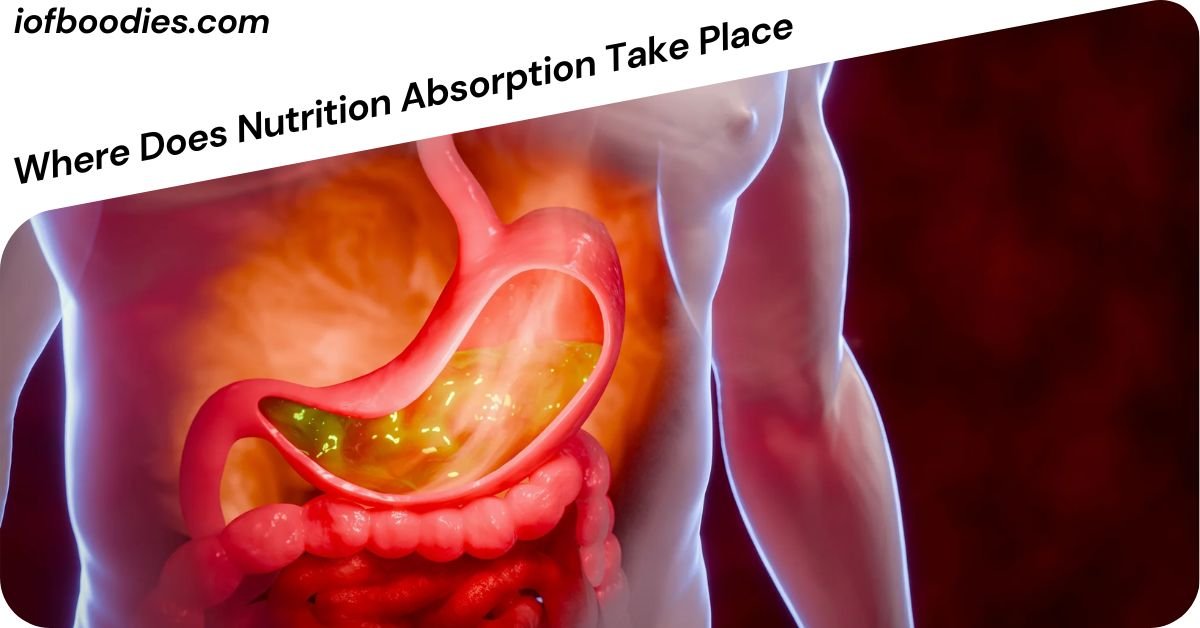
Have you ever wondered where does nutrition absorption take place after you eat a meal? Many people know that food travels through the digestive system, but few understand exactly where nutrients are absorbed and how the body uses them.
Nutrition absorption is one of the most important functions of the human body. Without it, even the healthiest foods would provide little benefit. Every vitamin, mineral, protein, fat, and carbohydrate must be broken down and absorbed before the body can use it for energy, growth, repair, and overall health.
Understanding where does nutrition absorption take place can help you make better dietary choices, improve digestive health, and recognize problems that may affect nutrient uptake.
In this comprehensive guide, we will explore the entire process of nutrient absorption, the organs involved, factors that influence absorption, and practical ways to improve nutrient uptake naturally.
What Is Nutrition Absorption?
Nutrition absorption is the process through which nutrients from food move from the digestive tract into the bloodstream or lymphatic system. Once absorbed, these nutrients travel throughout the body and support countless biological functions.
The body absorbs:
- Carbohydrates
- Proteins
- Fats
- Vitamins
- Minerals
- Water
- Electrolytes
Absorption is the bridge between eating food and receiving its health benefits. No matter how nutritious a meal may be, its nutrients must be absorbed efficiently for the body to use them.
Where Does Nutrition Absorption Take Place?
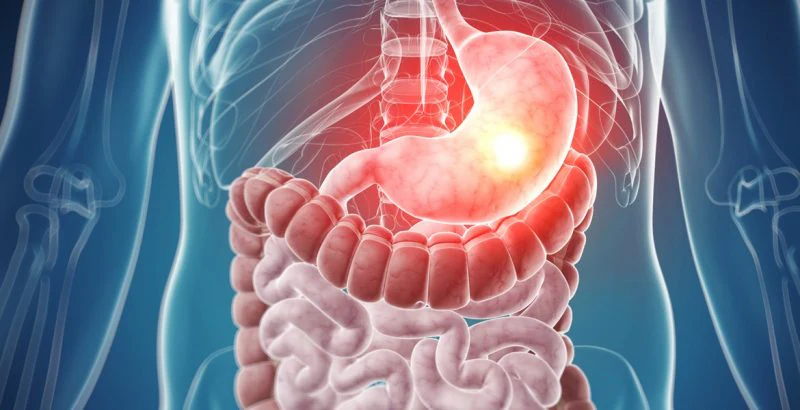
The simple answer to where does nutrition absorption take place is that most nutrient absorption occurs in the small intestine.
The small intestine is specially designed to absorb nutrients efficiently. It contains millions of tiny structures called villi and microvilli that dramatically increase its surface area. This allows the body to capture as many nutrients as possible from digested food.
Although absorption begins in a few other parts of the digestive system, approximately 90% of nutrient absorption occurs in the small intestine.
The three sections of the small intestine are:
- Duodenum
- Jejunum
- Ileum
Each section has specific absorption responsibilities.
The Journey of Food Through the Digestive System
To fully understand where does nutrition absorption take place, it helps to follow food through the digestive tract.
Mouth
Digestion starts in the mouth.
When you chew food, saliva mixes with it. Saliva contains enzymes that begin breaking down carbohydrates.
While very little nutrient absorption happens in the mouth, this step prepares food for later digestion and absorption.
Esophagus
The esophagus transports food from the mouth to the stomach.
No significant nutrient absorption occurs here.
Stomach
The stomach uses acid and digestive enzymes to break food into a semi-liquid mixture called chyme.
The stomach primarily focuses on digestion rather than absorption.
However, small amounts of certain substances can be absorbed, including:
- Water
- Alcohol
- Some medications
The stomach also prepares nutrients for absorption in the small intestine.
Small Intestine
This is where the majority of nutrient absorption takes place.
After food leaves the stomach, it enters the small intestine, where enzymes from the pancreas and bile from the liver continue digestion.
The small intestine absorbs:
- Amino acids
- Fatty acids
- Vitamins
- Minerals
- Sugars
- Water
This organ is the true center of nutrient absorption.
Large Intestine
The large intestine absorbs:
- Water
- Electrolytes
- Some vitamins produced by gut bacteria
Although it contributes to absorption, it does not absorb the majority of nutrients from food.
Why the Small Intestine Is So Effective at Nutrient Absorption
The small intestine is perfectly designed for nutrient uptake.
Several unique features make it highly efficient.
Large Surface Area
The inner lining contains folds, villi, and microvilli.
If stretched flat, the surface area of the small intestine would be enormous, allowing maximum contact with digested food.
Rich Blood Supply
Tiny blood vessels inside each villus quickly transport absorbed nutrients throughout the body.
Specialized Cells
Different cells absorb specific nutrients.
These cells actively transport vitamins, minerals, sugars, and amino acids into circulation.
Long Length
The small intestine measures about 20 feet in adults.
This long structure provides plenty of time and space for nutrient absorption.
Nutrient Absorption by Section of the Small Intestine
Duodenum
The duodenum is the first part of the small intestine.
Its main role is to continue digestion.
Important nutrients absorbed here include:
- Iron
- Calcium
- Magnesium
- Certain vitamins
The duodenum receives digestive enzymes from the pancreas and bile from the liver, making it a critical location for nutrient breakdown.
Jejunum
The jejunum is the middle section.
This is where the majority of nutrient absorption takes place.
The jejunum absorbs:
- Carbohydrates
- Proteins
- Water-soluble vitamins
- Fat-soluble vitamins
- Lipids
Its dense concentration of villi makes it highly effective.
Ileum
The ileum is the final section.
It absorbs:
- Vitamin B12
- Bile salts
- Remaining nutrients
The ileum plays an important role in preventing nutrient deficiencies.
How Carbohydrates Are Absorbed
Carbohydrates are the body’s primary energy source.
During digestion, carbohydrates are broken down into simple sugars such as:
- Glucose
- Fructose
- Galactose
These sugars are absorbed through the walls of the small intestine and enter the bloodstream.
Once in circulation, they provide fuel for cells, muscles, and organs.
Efficient carbohydrate absorption is essential for maintaining stable energy levels.
How Protein Is Absorbed
Proteins are broken down into amino acids.
These amino acids are absorbed primarily in the jejunum.
After absorption, amino acids travel to the liver and then throughout the body.
They support:
- Muscle growth
- Tissue repair
- Hormone production
- Immune function
Without proper protein absorption, the body cannot effectively repair and maintain tissues.
How Fat Is Absorbed
Fat absorption is more complex than carbohydrate or protein absorption.
Bile produced by the liver helps break fats into smaller droplets.
Digestive enzymes further break fats into:
- Fatty acids
- Monoglycerides
These molecules are absorbed through intestinal cells and packaged into structures called chylomicrons.
They enter the lymphatic system before eventually reaching the bloodstream.
Healthy fat absorption is necessary for:
- Brain health
- Hormone production
- Cell membranes
- Absorption of fat-soluble vitamins
How Vitamins Are Absorbed
Different vitamins follow different absorption pathways.
Water-Soluble Vitamins
These include:
- Vitamin C
- Vitamin B1
- Vitamin B2
- Vitamin B6
- Folate
They are absorbed directly into the bloodstream through the small intestine.
Fat-Soluble Vitamins
These include:
- Vitamin A
- Vitamin D
- Vitamin E
- Vitamin K
These vitamins require dietary fat and bile for proper absorption.
Problems with fat digestion can reduce absorption of these essential nutrients.
How Minerals Are Absorbed
Minerals are absorbed in different areas of the digestive tract.
Examples include:
Iron
Mostly absorbed in the duodenum.
Calcium
Primarily absorbed in the duodenum and jejunum.
Magnesium
Absorbed throughout the small intestine.
Zinc
Absorbed mainly in the jejunum.
The body carefully regulates mineral absorption based on its needs.
The Role of Gut Bacteria in Nutrient Absorption
The gut microbiome plays a major role in overall nutrition.
Trillions of beneficial bacteria live in the digestive tract.
These microorganisms help:
- Break down fiber
- Produce vitamins
- Support immune function
- Improve nutrient absorption
Healthy gut bacteria produce vitamin K and certain B vitamins.
A balanced microbiome can significantly improve digestive efficiency.
Factors That Affect Nutrient Absorption
Many factors influence how effectively the body absorbs nutrients.
Age
As people age, digestive efficiency may decline.
Older adults may absorb less:
- Vitamin B12
- Calcium
- Iron
Digestive Disorders
Conditions that damage the intestinal lining can reduce nutrient absorption.
Examples include:
- Celiac disease
- Crohn’s disease
- Ulcerative colitis
Medications
Certain medications can interfere with absorption.
Long-term use of some drugs may reduce levels of:
- Magnesium
- Calcium
- Vitamin B12
Stress
Chronic stress affects digestion and may reduce nutrient uptake.
Diet Quality
Highly processed foods may provide fewer nutrients and negatively impact gut health.
Alcohol Consumption
Excessive alcohol use can damage the digestive tract and impair nutrient absorption.
Signs of Poor Nutrient Absorption
Poor absorption can lead to nutrient deficiencies.
Common symptoms include:
- Fatigue
- Weakness
- Hair loss
- Dry skin
- Brittle nails
- Frequent illness
- Weight loss
- Digestive discomfort
- Brain fog
If symptoms persist, medical evaluation may be necessary.
What Is Malabsorption?
Malabsorption occurs when the body cannot absorb nutrients effectively.
This condition can lead to serious health complications over time.
Common causes include:
- Celiac disease
- Pancreatic disorders
- Small intestine damage
- Food intolerances
- Infections
Early diagnosis can help prevent long-term nutritional deficiencies.
Diseases That Affect Nutrient Absorption
Celiac Disease
An autoimmune condition triggered by gluten.
It damages intestinal villi and reduces nutrient absorption.
Crohn’s Disease
Inflammation can affect nutrient uptake throughout the digestive tract.
Lactose Intolerance
Although it primarily affects digestion, severe cases may indirectly impact nutritional status.
Short Bowel Syndrome
Occurs when a large portion of the small intestine is removed or damaged.
This significantly reduces absorption capacity.
Chronic Pancreatitis
Reduces enzyme production needed for proper digestion and absorption.
How to Improve Nutrient Absorption Naturally
Eat a Balanced Diet
Include:
- Fruits
- Vegetables
- Whole grains
- Lean proteins
- Healthy fats
A diverse diet provides a wide range of nutrients.
Support Gut Health
Consume foods rich in probiotics and prebiotics.
Examples include:
- Yogurt
- Kefir
- Sauerkraut
- Bananas
- Oats
Chew Food Thoroughly
Digestion starts in the mouth.
Proper chewing improves nutrient availability.
Stay Hydrated
Water supports digestion and nutrient transport.
Manage Stress
Stress management techniques may improve digestive function.
Helpful options include:
- Walking
- Meditation
- Deep breathing
- Quality sleep
Avoid Excessive Alcohol
Limiting alcohol helps protect the digestive tract and nutrient absorption mechanisms.
Nutrient Absorption and Modern Lifestyle Challenges
Modern lifestyles often create obstacles to optimal absorption.
Common challenges include:
- Fast eating
- High stress levels
- Poor sleep
- Processed foods
- Sedentary habits
Many people focus only on what they eat while overlooking how effectively their bodies absorb nutrients.
Improving digestive health may provide benefits even without major dietary changes.
Why Understanding Nutrient Absorption Matters
Knowing where does nutrition absorption take place helps people appreciate the importance of digestive health.
Many health issues are linked not only to poor diets but also to poor absorption.
Someone may consume adequate nutrients yet still experience deficiencies if absorption is impaired.
By supporting digestive function and maintaining intestinal health, individuals can maximize the benefits of healthy eating.
The Future of Nutrient Absorption Research
Scientists continue discovering new information about digestion and nutrient absorption.
Emerging research focuses on:
- Personalized nutrition
- Gut microbiome analysis
- Genetic influences on absorption
- Targeted probiotic therapies
- Precision digestive medicine
Future advancements may allow healthcare providers to create highly personalized nutrition plans based on individual absorption patterns.
ALso Read: Does Corn Have Nutritional Value? A Complete Guide to Corn Nutrition, Health Benefits, and Facts
This evolving field highlights the growing importance of understanding how the body processes food.
Conclusion
If you have ever asked, “where does nutrition absorption take place,” the answer is primarily the small intestine. While digestion begins in the mouth and continues in the stomach, the small intestine performs most of the work when it comes to absorbing nutrients.
The duodenum, jejunum, and ileum each play unique roles in absorbing carbohydrates, proteins, fats, vitamins, minerals, and water. Healthy villi, proper digestive enzyme function, and a balanced gut microbiome all contribute to efficient nutrient uptake.
Understanding where does nutrition absorption take place empowers individuals to make smarter dietary choices, recognize signs of nutrient deficiencies, and maintain better digestive health. In many ways, nutrient absorption is just as important as the food itself because the body can only benefit from nutrients that it successfully absorbs.
Frequently Asked Questions (FAQs)
Can nutrients be absorbed without digestion?
Some substances such as water, alcohol, and certain medications can be absorbed with minimal digestion. However, most nutrients must be broken down before absorption can occur.
How long does nutrient absorption take after eating?
Most nutrient absorption begins within a few hours after eating. Complete digestion and absorption may take between 24 and 72 hours depending on the food consumed.
Does drinking water improve nutrient absorption?
Yes. Proper hydration supports digestion, nutrient transport, and intestinal function, helping the body absorb nutrients more effectively.
Can poor sleep affect nutrient absorption?
Yes. Chronic sleep deprivation may negatively affect digestive health, hormone balance, and nutrient utilization.
Is nutrient absorption different in children and adults?
Children generally absorb nutrients efficiently because of rapid growth needs. However, absorption requirements and digestive efficiency can change with age.
Can exercise improve nutrient absorption?
Regular physical activity supports healthy digestion, improves circulation, and may positively influence gut health, indirectly supporting nutrient absorption.
Which nutrient is hardest for the body to absorb?
Vitamin B12, iron, and certain minerals can be challenging to absorb under specific health conditions, especially when digestive disorders are present.
Can probiotics help nutrient absorption?
Yes. Beneficial bacteria may improve digestive efficiency, support intestinal health, and help produce certain vitamins that contribute to overall nutrition.
What foods support a healthy small intestine?
Foods that support intestinal health include fruits, vegetables, whole grains, fermented foods, lean proteins, and healthy fats.
Can nutrient absorption be tested?
Healthcare providers can evaluate nutrient absorption through blood tests, stool tests, imaging studies, and specialized digestive assessments when deficiencies or malabsorption are suspected.