What Is the Nutritional Value of Corn? Complete Guide to Corn Nutrition, Health Benefits, and Uses
Corn is one of the most popular and widely consumed grains in the United States. It appears in many forms, including sweet corn, corn on the cob, corn flakes, cornmeal, popcorn, tortillas, and hundreds of processed foods. Because it is such a common part of the American diet, many people ask: what is the nutritional value of corn?
The answer depends on the type of corn, how it is prepared, and how much is eaten. Corn contains important nutrients, including carbohydrates, fiber, vitamins, minerals, and plant compounds that support overall health. It can be a nutritious addition to a balanced diet when consumed in appropriate portions.
This comprehensive guide explains what is the nutritional value of corn, how corn supports health, the nutritional differences between various corn products, and what science says about its role in a healthy eating pattern.
What Is Corn?
Corn, also known as maize, is a cereal grain that originated thousands of years ago in Central America. Today, it is grown worldwide and serves as both a food source and an ingredient in many products.
Corn is unique because it can be eaten as a vegetable when harvested fresh, while mature dried corn is considered a grain. Different varieties include:
- Sweet corn
- Field corn
- Flint corn
- Dent corn
- Popcorn
- White corn
- Yellow corn
- Blue corn
Sweet corn is the type most commonly eaten as corn on the cob or as a vegetable side dish.
What Is the Nutritional Value of Corn?
Many people wonder, what is the nutritional value of corn and whether it deserves a place in a healthy diet.
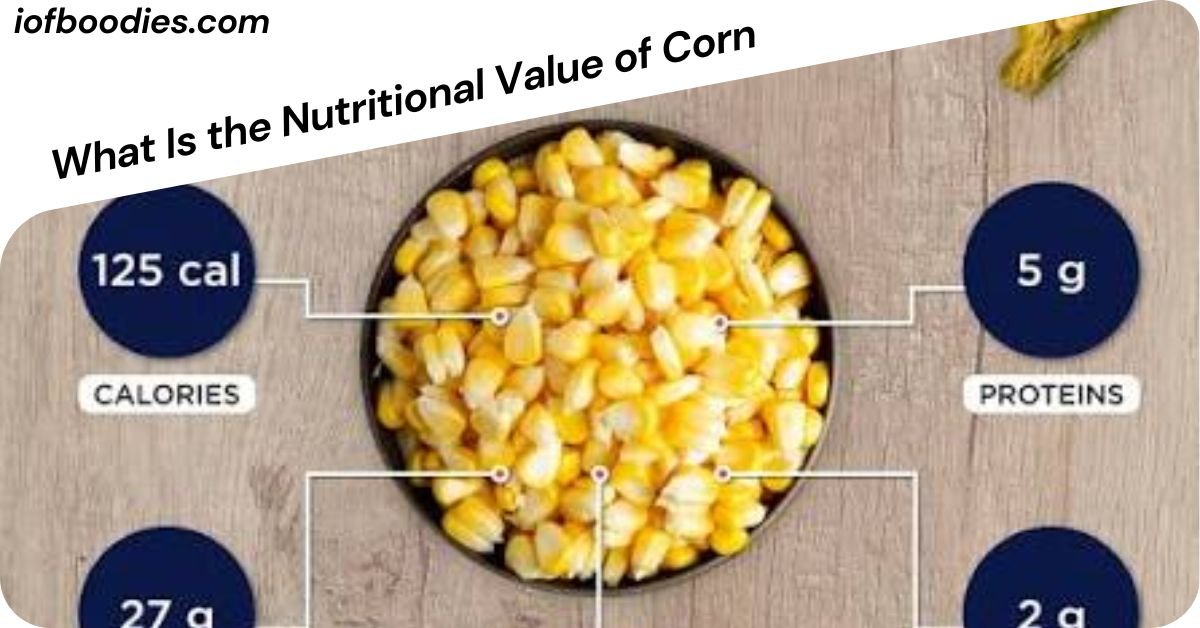
According to current nutrition data, one cup of cooked sweet yellow corn contains approximately:
- Calories: 143
- Protein: 5 grams
- Carbohydrates: 31 grams
- Fiber: 3.5 grams
- Sugars: 6 grams
- Fat: 2 grams
- Potassium: 392 milligrams
- Magnesium: 37 milligrams
- Vitamin C: 10 milligrams
- Folate: 61 micrograms
- Thiamin (Vitamin B1): 0.36 milligrams
Corn also contains small amounts of:
- Vitamin A
- Vitamin E
- Vitamin K
- Zinc
- Iron
- Phosphorus
- Selenium
- Copper
The nutritional profile shows that corn is primarily a carbohydrate-rich food but also provides fiber, vitamins, minerals, and beneficial plant compounds.
Macronutrients in Corn
Carbohydrates
The largest component of corn is carbohydrates. These carbohydrates provide energy for daily activities and bodily functions.
Also Read: Does Corn Have Nutritional Value? A Complete Guide to Corn Nutrition, Health Benefits, and Facts
Most of the carbohydrates in corn come from natural starches. Unlike refined sugars, these complex carbohydrates are digested more slowly and can provide lasting energy.
For active individuals, athletes, and growing children, corn can be an excellent source of fuel.
Protein
Corn contains a moderate amount of plant-based protein. While it is not considered a complete protein source because it lacks sufficient amounts of certain essential amino acids, it still contributes to overall protein intake.
Combining corn with foods such as beans, dairy products, meat, fish, or legumes can help create a more complete amino acid profile.
Fat
Corn is naturally low in fat. Most varieties contain only a small amount of healthy unsaturated fats.
This makes corn suitable for people seeking lower-fat food options while still enjoying satisfying meals.
Dietary Fiber
Fiber is one of the most important nutrients found in corn.
Dietary fiber helps:
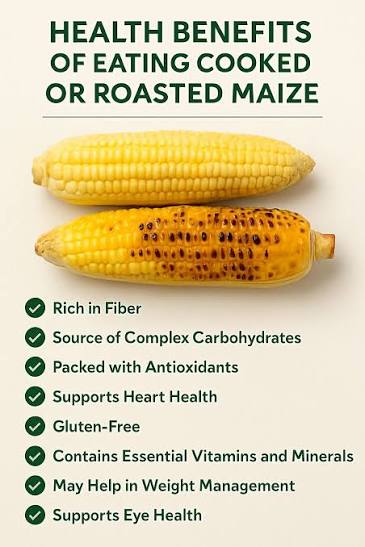
- Support digestive health
- Promote regular bowel movements
- Increase feelings of fullness
- Support healthy cholesterol levels
- Assist with blood sugar management
Fiber intake remains below recommended levels for many Americans, making fiber-rich foods such as corn valuable additions to the diet.
Vitamins Found in Corn
Understanding what is the nutritional value of corn requires looking closely at its vitamin content.
Vitamin C
Corn contains vitamin C, an antioxidant that supports:
- Immune function
- Collagen production
- Skin health
- Wound healing
Fresh sweet corn generally contains more vitamin C than processed corn products.
Thiamin (Vitamin B1)
Corn is a good source of thiamin, which helps the body:
- Convert food into energy
- Support nerve function
- Maintain healthy metabolism
Folate
Folate is especially important for:
- Cell growth
- DNA production
- Healthy pregnancy development
Corn contributes useful amounts of folate to the diet.
Vitamin A
Yellow corn contains carotenoids that the body can convert into vitamin A, which supports:
- Eye health
- Immune function
- Healthy skin
Minerals Found in Corn
Potassium
Potassium helps regulate:
- Blood pressure
- Muscle contractions
- Nerve signals
- Fluid balance
Corn contributes meaningful amounts of potassium to a healthy diet.
Magnesium
Magnesium plays a role in over 300 biochemical reactions in the body, including:
- Energy production
- Muscle function
- Bone health
- Heart health
Phosphorus
Phosphorus supports:
- Bone strength
- Teeth health
- Energy metabolism
Zinc
Zinc supports:
- Immune function
- Wound healing
- Cell growth
Although corn is not extremely high in zinc, it contributes to overall intake.
Also Read: How to Read Nutrition Labels: The Complete Beginner’s Guide to Making Healthier Food Choices
Antioxidants in Corn
One often-overlooked aspect of what is the nutritional value of corn is its antioxidant content.
Corn contains beneficial plant compounds including:
- Lutein
- Zeaxanthin
- Ferulic acid
- Anthocyanins (in blue and purple corn)
These antioxidants help protect cells from oxidative stress caused by free radicals.
Lutein and Zeaxanthin
These two antioxidants are especially important for eye health.
Research suggests they may help reduce the risk of age-related eye conditions such as:
- Macular degeneration
- Cataracts
Yellow corn is particularly rich in these protective compounds.
Health Benefits of Corn
Supports Digestive Health
The fiber in corn helps promote healthy digestion.
Regular fiber intake may:
- Reduce constipation
- Improve bowel regularity
- Support beneficial gut bacteria
A healthy digestive system contributes to overall wellness.
Provides Long-Lasting Energy
Because corn contains complex carbohydrates, it serves as an excellent source of sustained energy.
This makes it useful for:
- Students
- Athletes
- Busy professionals
- Active families
Supports Eye Health
Lutein and zeaxanthin found in corn are linked to better eye health.
These nutrients help filter harmful blue light and support the retina.
Contributes to Heart Health
Corn can be part of a heart-friendly diet because it contains:
- Fiber
- Potassium
- Magnesium
- Antioxidants
These nutrients work together to support cardiovascular health.
Naturally Gluten-Free
Corn is naturally gluten-free.
For people with:
- Celiac disease
- Gluten sensitivity
- Wheat allergies
Corn can serve as a valuable alternative grain.
What Is the Nutritional Value of Corn on the Cob?
A common question is what is the nutritional value of corn on the cob?
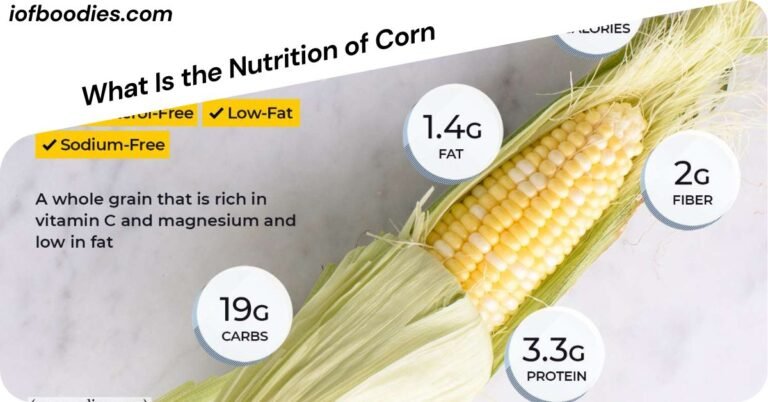
One medium ear of cooked sweet corn contains approximately:
- Calories: 90–100
- Carbohydrates: 20–22 grams
- Protein: 3–4 grams
- Fiber: 2–3 grams
- Fat: 1–2 grams
It also provides:
- Vitamin C
- Folate
- Potassium
- Magnesium
Eating corn directly from the cob is one of the least processed ways to enjoy corn and helps preserve many of its nutrients.
What Is the Nutritional Value of an Ear of Corn?
Many people use the terms interchangeably, but specifically asking what is the nutritional value of an ear of corn usually refers to a single ear of sweet corn.
A medium-sized ear provides:
- Around 100 calories
- About 3 grams of protein
- Approximately 22 grams of carbohydrates
- Roughly 2.5 grams of fiber
This makes corn a nutrient-dense side dish that can fit into most healthy meal plans.
What Is the Nutritional Value of Corn Flakes?
Another common question is what is the nutritional value of corn flakes?
Corn flakes are made from processed corn and are commonly eaten as breakfast cereal.
One cup of plain corn flakes typically contains:
- Calories: 100–120
- Carbohydrates: 24–26 grams
- Protein: 2–3 grams
- Fiber: Less than 1 gram
- Fat: Less than 1 gram
Many commercial corn flakes are fortified with:
- Iron
- Vitamin D
- B vitamins
- Folate
However, compared with whole corn, corn flakes generally contain less fiber and may have a higher glycemic impact.
Choosing varieties with minimal added sugar is often the healthiest option.
What Is the Nutrition Value of Corn Compared to Other Grains?
When evaluating what is the nutrition value of corn compared to other grains, corn performs well nutritionally.
Corn vs Rice
Corn generally contains:
- More fiber
- More antioxidants
- More vitamins
Rice may contain fewer calories depending on the serving size.
Corn vs Wheat
Wheat typically contains more protein.
Corn offers:
- Gluten-free benefits
- Eye-supporting antioxidants
- Unique plant compounds
Corn vs Oats
Oats contain more soluble fiber.
Corn provides:
- More carotenoids
- Different antioxidant compounds
- Greater versatility in cooking
Each grain offers unique benefits, making variety important.
Is Corn Good for Weight Loss?
Corn can support weight management when eaten in reasonable portions.
Benefits include:
- Fiber for fullness
- Moderate calorie content
- Nutrient density
- Natural sweetness
Problems typically arise when corn is heavily processed into products high in:
- Added sugar
- Excess fat
- Refined ingredients
Whole corn is generally a better choice than highly processed corn-based snacks.
Is Corn Healthy for People With Diabetes?
Corn can be included in a diabetes-friendly eating plan when portion sizes are managed carefully.
Because corn contains carbohydrates, it affects blood sugar levels.
However, whole corn also provides:
- Fiber
- Vitamins
- Minerals
Pairing corn with:
- Lean protein
- Healthy fats
- Non-starchy vegetables
can help support better blood sugar control.
People with diabetes should consult healthcare professionals for personalized recommendations.
Different Forms of Corn and Their Nutrition
Fresh Sweet Corn
Fresh sweet corn is among the most nutritious options because it retains natural vitamins and antioxidants.
Frozen Corn
Frozen corn maintains most nutrients and is a convenient option year-round.
Canned Corn
Canned corn remains nutritious but may contain added sodium.
Choosing low-sodium versions is often preferable.
Popcorn
Air-popped popcorn is a whole grain and can be a healthy snack rich in fiber.
Cornmeal
Cornmeal provides carbohydrates and some minerals but is lower in certain vitamins than fresh corn.
Corn Tortillas
Corn tortillas offer a gluten-free grain option and can be part of balanced meals.
Common Myths About Corn Nutrition
Myth 1: Corn Has No Nutritional Value
This is false.
Corn contains:
- Fiber
- Vitamins
- Minerals
- Antioxidants
- Plant compounds
Myth 2: Corn Causes Weight Gain
Also Read: What Is Nutrition? A Complete Guide to Understanding Nutrition, Health, and Healthy Living
Weight gain results from consuming excess calories overall.
Corn itself can fit into healthy eating patterns.
Myth 3: Corn Is Just Sugar
Most carbohydrates in corn come from starch, not simple sugars.
Myth 4: Corn Is Unhealthy Because It Is Starchy
Many healthy foods contain starch, including:
- Potatoes
- Beans
- Oats
- Rice
Starchy foods can be part of a nutritious diet.
Expert Perspective on Corn Nutrition
Nutrition experts generally agree that whole and minimally processed corn can be part of a healthy eating pattern.
The strongest benefits come from consuming:
- Fresh corn
- Corn on the cob
- Frozen corn
- Air-popped popcorn
rather than highly processed corn products.
The overall nutritional value depends on:
- Preparation methods
- Portion sizes
- Total dietary pattern
Corn should be viewed as one nutritious component of a balanced diet rather than a miracle food or a food to avoid.
Best Ways to Add Corn to Your Diet
Healthy ways to enjoy corn include:
- Grilled corn on the cob
- Corn salad
- Vegetable soups
- Tacos with corn tortillas
- Air-popped popcorn
- Roasted corn bowls
- Mixed vegetable dishes
- Corn and bean salads
Combining corn with vegetables, lean proteins, and healthy fats creates balanced meals.
Conclusion
If you have ever wondered what is the nutritional value of corn, the answer is that corn provides much more than simple carbohydrates. It contains fiber, vitamins, minerals, antioxidants, and plant compounds that support overall health.
Whether you are asking what is the nutrition value of corn, what is the nutritional value of corn on the cob, what is the nutritional value of an ear of corn, or what is the nutritional value of corn flakes, the evidence shows that corn can contribute valuable nutrients to a healthy diet.
Fresh corn and corn on the cob offer the greatest nutritional benefits, while processed products such as corn flakes can still provide nutrients when chosen carefully. By including corn as part of a balanced eating pattern, individuals can enjoy its taste, versatility, and health benefits.
Frequently Asked Questions
Does corn lose nutrients when cooked?
Some vitamin loss can occur during cooking, but most fiber, carbohydrates, minerals, and antioxidants remain intact. Steaming is one of the best methods for preserving nutrients.
Is yellow corn healthier than white corn?
Both are nutritious, but yellow corn contains more carotenoids such as lutein and zeaxanthin, which support eye health.
Can children eat corn regularly?
Yes. Corn provides energy, vitamins, minerals, and fiber that can support healthy growth and development.
Is organic corn more nutritious than conventional corn?
Research shows nutritional differences are usually small. The most important factor is eating enough fruits, vegetables, and whole grains overall.
Does frozen corn have the same nutritional value as fresh corn?
Frozen corn retains most nutrients because it is typically frozen soon after harvesting.
Can corn be part of a heart-healthy diet?
Yes. Corn contains fiber, potassium, magnesium, and antioxidants that can support cardiovascular health.
Is popcorn as nutritious as corn on the cob?
Air-popped popcorn is a whole grain and provides fiber, but corn on the cob contains more vitamins and moisture.
How much corn can I eat in a day?
Portion needs vary by age, activity level, and health goals. For most adults, one serving of corn can fit comfortably into a balanced daily diet.
Why does corn sometimes appear undigested?
The outer shell of corn kernels contains cellulose, a type of fiber that the human body cannot fully digest. This is normal and does not mean the nutrients were not absorbed.
What is the healthiest way to eat corn?
Steamed, boiled, roasted, or grilled corn with minimal added butter, salt, or sugar is generally considered the healthiest option.