Does Lettuce Have Any Nutritional Value? A Complete Guide to the Health Benefits of Lettuce
Many people enjoy lettuce in salads, sandwiches, wraps, and burgers. However, a common question continues to come up: does lettuce have any nutritional value?
Some people believe lettuce is just water and offers very little nutrition. Others consider it a healthy food that should be part of a balanced diet. The truth lies somewhere in the middle.
Lettuce may not be as nutrient-dense as vegetables like kale, spinach, or broccoli, but it still provides valuable vitamins, minerals, antioxidants, fiber, and hydration. Different types of lettuce also contain different nutritional profiles, meaning some varieties are much healthier than others.
In this comprehensive guide, we’ll answer the question does lettuce have any nutritional value in detail. We’ll explore the nutritional content of lettuce, compare different varieties, examine its health benefits, discuss common myths, and explain how to maximize its nutritional value in your daily diet.
Does Lettuce Have Any Nutritional Value?
The simple answer is yes.
If you are asking does lettuce have any nutritional value, the answer is absolutely yes. Lettuce contains important nutrients that support overall health, including:
- Vitamin A
- Vitamin K
- Folate
- Vitamin C
- Potassium
- Fiber
- Antioxidants
- Water
While lettuce is low in calories, it provides nutrients that contribute to healthy vision, immune function, blood clotting, hydration, digestion, and heart health.
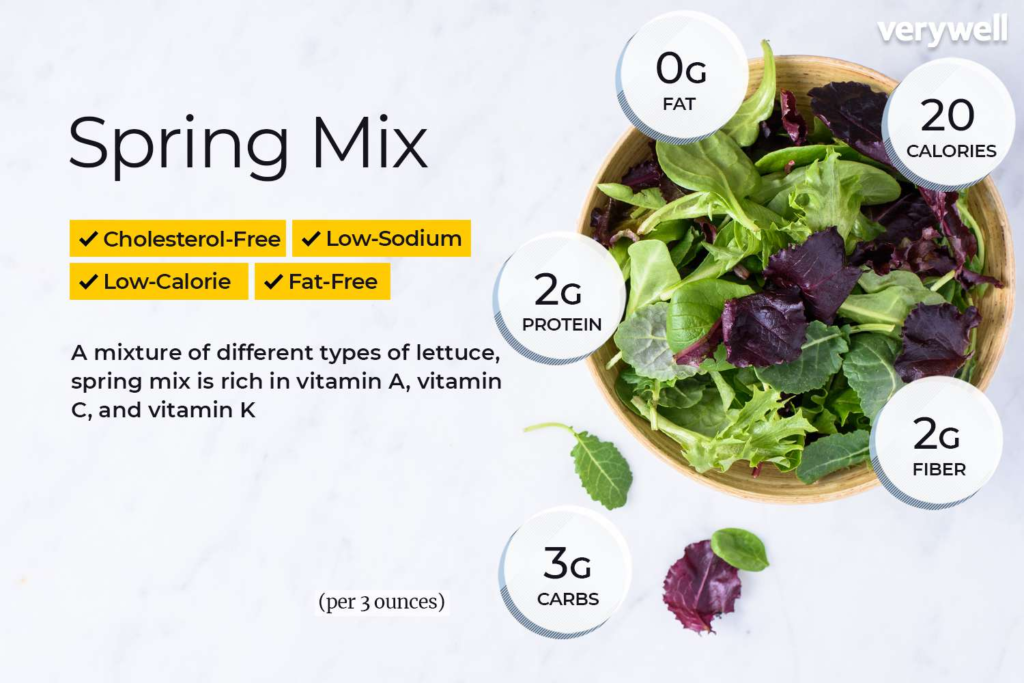
The nutritional value depends greatly on the type of lettuce you eat. Darker green varieties generally contain more vitamins and minerals than lighter-colored varieties.
Lettuce Nutrition Facts
A typical serving of raw lettuce is about one cup.
Depending on the variety, one cup of lettuce generally contains:
- Calories: 5–15
- Carbohydrates: 1–3 grams
- Fiber: 1 gram
- Protein: 0.5–1 gram
- Fat: Less than 0.2 grams
- Water: About 95–96%
Because lettuce is extremely low in calories, it is often included in weight-loss diets and healthy eating plans.
Although lettuce does not provide large amounts of protein or fat, it delivers valuable micronutrients that help support overall wellness.
Why Lettuce Is More Nutritious Than Many People Think
One reason lettuce gets a bad reputation is that people compare it to nutrient powerhouses like spinach and kale.
While lettuce may not contain as many nutrients as these vegetables, it still contributes to your daily nutrient intake.
Many people eat lettuce regularly. Even small amounts of nutrients can add up over time when consumed consistently.
Additionally, lettuce helps people eat more vegetables because it works well in:
- Salads
- Sandwiches
- Wraps
- Burgers
- Tacos
- Grain bowls
- Smoothies
The versatility of lettuce makes it easier to maintain healthy eating habits.
Does Iceberg Lettuce Have Any Nutritional Value?
One of the most searched questions online is: does iceberg lettuce have any nutritional value?
The answer is yes, but less than some other lettuce varieties.
Iceberg lettuce contains:
- Vitamin K
- Vitamin A
- Folate
- Potassium
- Small amounts of Vitamin C
- Water
- Fiber
Iceberg lettuce is approximately 96% water, making it one of the most hydrating vegetables available.
Benefits of iceberg lettuce include:
- Excellent hydration
- Very low calorie content
- Refreshing crunch
- Easy digestion
- Supports weight management
However, iceberg lettuce contains fewer vitamins and antioxidants than darker green lettuces such as romaine lettuce.
So while the answer to does iceberg lettuce have any nutritional value is definitely yes, it is generally considered the least nutritious common lettuce variety.
Does Romaine Lettuce Have Any Nutritional Value?
Another frequently asked question is: does romaine lettuce have any nutritional value?
The answer is a strong yes.
In fact, romaine lettuce is one of the most nutritious types of lettuce available.
Romaine lettuce is rich in:
- Vitamin A
- Vitamin K
- Folate
- Vitamin C
- Potassium
- Fiber
- Antioxidants
The dark green leaves contain significantly higher nutrient levels than iceberg lettuce.
Benefits of romaine lettuce include:
- Supports healthy eyesight
- Promotes immune health
- Supports strong bones
- Helps blood clot normally
- Provides antioxidant protection
For people looking to maximize nutritional benefits, romaine lettuce is often considered one of the best choices.
Does Butter Lettuce Have Any Nutritional Value?
Many consumers also wonder: does butter lettuce have any nutritional value?
Yes, butter lettuce offers several important nutrients.
Butter lettuce contains:
- Vitamin A
- Vitamin K
- Folate
- Iron
- Potassium
- Calcium
Its soft texture and mild flavor make it popular in salads and lettuce wraps.
Benefits of butter lettuce include:
- Supports healthy skin
- Promotes bone health
- Helps maintain healthy blood cells
- Provides hydration
Butter lettuce falls between iceberg and romaine lettuce in terms of overall nutrient density.
Types of Lettuce Ranked by Nutritional Value
When comparing common varieties, the nutritional ranking generally looks like this:
- Romaine lettuce
- Leaf lettuce (red and green)
- Butter lettuce
- Iceberg lettuce
Darker-colored leaves usually indicate higher levels of vitamins, minerals, and antioxidants.
If nutrition is your priority, choosing darker green lettuces is often the best strategy.
Vitamins Found in Lettuce
Vitamin A
Lettuce is an excellent source of Vitamin A, especially darker varieties.
Vitamin A supports:
- Eye health
- Immune function
- Healthy skin
- Cell growth
Many Americans do not get enough Vitamin A from their diets, making lettuce a helpful addition.
Vitamin K
Lettuce is particularly rich in Vitamin K.
Vitamin K plays an important role in:
- Blood clotting
- Bone strength
- Heart health
Just one serving of romaine lettuce can provide a significant percentage of daily Vitamin K needs.
Folate
Folate is a B vitamin that supports:
- Cell growth
- DNA production
- Pregnancy health
- Red blood cell formation
Lettuce provides a convenient source of dietary folate.
Vitamin C
Some lettuce varieties contain modest amounts of Vitamin C.
Vitamin C helps:
- Strengthen immunity
- Promote wound healing
- Support collagen production
- Protect cells from damage
Minerals Found in Lettuce
Potassium
Potassium helps regulate:
- Blood pressure
- Muscle function
- Fluid balance
- Nerve signals
Lettuce contributes small but useful amounts of potassium.
Calcium
Certain lettuce varieties contain calcium, which supports:
- Bone health
- Muscle function
- Nerve communication
Iron
Leafy green lettuces contain small amounts of iron.
Iron helps transport oxygen throughout the body and supports energy production.
Antioxidants in Lettuce
One often overlooked benefit of lettuce is its antioxidant content.
Antioxidants help protect the body from oxidative stress caused by unstable molecules known as free radicals.
Common antioxidants in lettuce include:
- Beta-carotene
- Lutein
- Zeaxanthin
- Polyphenols
These compounds may help reduce the risk of chronic diseases over time.
Is Lettuce Good for Weight Loss?
Yes.
Lettuce is one of the most weight-loss-friendly foods available.
Reasons include:
- Extremely low in calories
- High water content
- Provides fiber
- Helps increase meal volume
A large salad made with lettuce can help people feel full while consuming relatively few calories.
This can support healthy weight management when combined with a balanced diet.
Can Lettuce Help Hydration?
Absolutely.
Because lettuce contains approximately 95–96% water, it contributes to daily hydration needs.
Foods with high water content can support:
- Energy levels
- Digestion
- Skin health
- Temperature regulation
While lettuce should not replace drinking water, it can complement hydration efforts.
Is Lettuce Good for Digestion?
Yes.
Lettuce contains dietary fiber, which supports digestive health.
Fiber helps:
- Promote regular bowel movements
- Feed beneficial gut bacteria
- Improve digestive comfort
- Support overall gut health
Although lettuce is not among the highest-fiber vegetables, every source of fiber contributes to better digestive function.
Does Lettuce Support Heart Health?
Lettuce can contribute to heart health in several ways.
Its nutrients help support:
- Healthy blood pressure
- Reduced inflammation
- Better blood vessel function
- Healthy cholesterol management
Potassium, fiber, and antioxidants all play a role in supporting cardiovascular wellness.
Can Lettuce Improve Eye Health?
Yes.
Dark green lettuce varieties contain carotenoids such as:
- Lutein
- Zeaxanthin
- Beta-carotene
These compounds are associated with:
- Better vision
- Reduced risk of age-related eye problems
- Protection against oxidative damage
Romaine lettuce is particularly beneficial for eye health.
Is Lettuce Safe to Eat Every Day?
For most healthy adults, eating lettuce daily is perfectly safe.
Daily lettuce consumption may help increase:
- Vegetable intake
- Fiber intake
- Hydration
- Vitamin consumption
However, variety remains important.
Eating a wide range of vegetables ensures you receive a broader spectrum of nutrients.
Common Myths About Lettuce
Myth 1: Lettuce Is Just Water
While lettuce contains a lot of water, it also provides vitamins, minerals, fiber, and antioxidants.
Myth 2: Lettuce Has No Nutritional Value
This is false.
Anyone asking does lettuce have any nutritional value should know that lettuce contains several essential nutrients that support health.
Myth 3: All Lettuce Is the Same
Different lettuce varieties vary significantly in nutrient content.
Romaine lettuce generally contains much more nutrition than iceberg lettuce.
Myth 4: Lettuce Cannot Help Weight Loss
Because lettuce is low in calories and high in volume, it can be a useful tool for weight management.
Best Ways to Increase the Nutritional Value of Lettuce Meals
To get more nutrition from lettuce-based meals:
- Add colorful vegetables
- Include lean protein
- Add healthy fats
- Use nuts and seeds
- Include beans or legumes
Examples include:
- Romaine lettuce with grilled chicken
- Mixed greens with avocado
- Lettuce salads with chickpeas
- Lettuce wraps with turkey
Healthy fats help the body absorb fat-soluble vitamins found in lettuce.
Also Read: Does Corn Have Nutritional Value? A Complete Guide to Corn Nutrition, Health Benefits, and Facts
How to Store Lettuce for Maximum Nutrition
To preserve freshness and nutrients:
- Refrigerate immediately
- Wash before eating
- Store in a breathable container
- Keep away from excess moisture
- Consume within several days
Fresh lettuce generally retains more nutrients and better flavor.
Expert Perspective: Is Lettuce Worth Eating?
From a nutrition standpoint, lettuce deserves a place in a healthy diet.
Although it may not be the most nutrient-dense vegetable available, its combination of hydration, vitamins, minerals, fiber, and antioxidants provides meaningful health benefits.
The key takeaway is that lettuce should not be judged solely by calorie content. Its low calories combined with valuable nutrients make it an excellent addition to balanced meals.
For the greatest nutritional benefits, choose darker green varieties such as romaine or leaf lettuce whenever possible.
Conclusion
So, does lettuce have any nutritional value?
Yes, lettuce absolutely has nutritional value.
Whether you are asking does iceberg lettuce have any nutritional value, does romaine lettuce have any nutritional value, or does butter lettuce have any nutritional value, the answer is yes for all three varieties.
Lettuce provides important nutrients including Vitamin A, Vitamin K, folate, fiber, antioxidants, potassium, and hydration. While darker green varieties generally offer more nutrition than iceberg lettuce, every type of lettuce can contribute to a healthy eating pattern.
Rather than viewing lettuce as simply a low-calorie filler food, it should be recognized as a nutritious vegetable that supports hydration, digestion, heart health, weight management, and overall wellness.
Adding lettuce to your meals regularly is an easy and effective way to increase vegetable intake and support long-term health.
Frequently Asked Questions
Which lettuce has the highest nutritional value?
Romaine lettuce is generally considered the most nutritious common lettuce variety because it contains higher levels of Vitamin A, Vitamin K, folate, fiber, and antioxidants.
Can lettuce replace other vegetables?
No. Lettuce is healthy, but it should be eaten alongside a variety of vegetables to ensure a broader nutrient intake.
Does cooking lettuce remove nutrients?
Some nutrients may decrease with heat exposure. Lettuce is typically most nutritious when eaten fresh and raw.
Is lettuce good for people with diabetes?
Yes. Lettuce is low in carbohydrates and calories, making it a suitable vegetable for most people managing blood sugar levels.
Why is romaine lettuce healthier than iceberg lettuce?
Romaine lettuce contains more vitamins, minerals, fiber, and antioxidants due to its darker green leaves.
Can children benefit from eating lettuce?
Yes. Lettuce provides vitamins, hydration, and fiber that can support healthy growth and development.
Is lettuce considered a superfood?
While lettuce is nutritious, it is not usually classified as a superfood. However, darker varieties such as romaine offer impressive nutritional benefits.
Does lettuce contain protein?
Lettuce contains small amounts of protein, but it should not be considered a major protein source.
Is organic lettuce more nutritious than regular lettuce?
Research suggests nutritional differences are generally small. The most important factor is eating plenty of fresh vegetables regardless of whether they are organic or conventionally grown.
How much lettuce should I eat per day?
There is no specific requirement, but including one to two cups of lettuce or other leafy greens daily can be part of a healthy diet.