Does Romaine Lettuce Have Any Nutritional Value? A Complete Guide to Health Benefits, Nutrition Facts, and More
When people think about healthy foods, leafy greens often come to mind. Among the many options available, romaine lettuce is one of the most popular choices in American households. It is commonly used in salads, sandwiches, wraps, and healthy meal plans. However, many people still ask the question: does romaine lettuce have any nutritional value?
The simple answer is yes. Romaine lettuce contains a surprising amount of nutrients despite being very low in calories. It provides vitamins, minerals, antioxidants, fiber, and hydration that support overall health. While some people mistakenly believe lettuce is just water with little nutritional benefit, romaine lettuce offers much more than many realize.
In this comprehensive guide, we will answer the question “does romaine lettuce have any nutritional value” in detail. We will explore its nutritional profile, health benefits, potential drawbacks, comparisons with other leafy greens, and practical ways to include it in your diet.
What Is Romaine Lettuce?
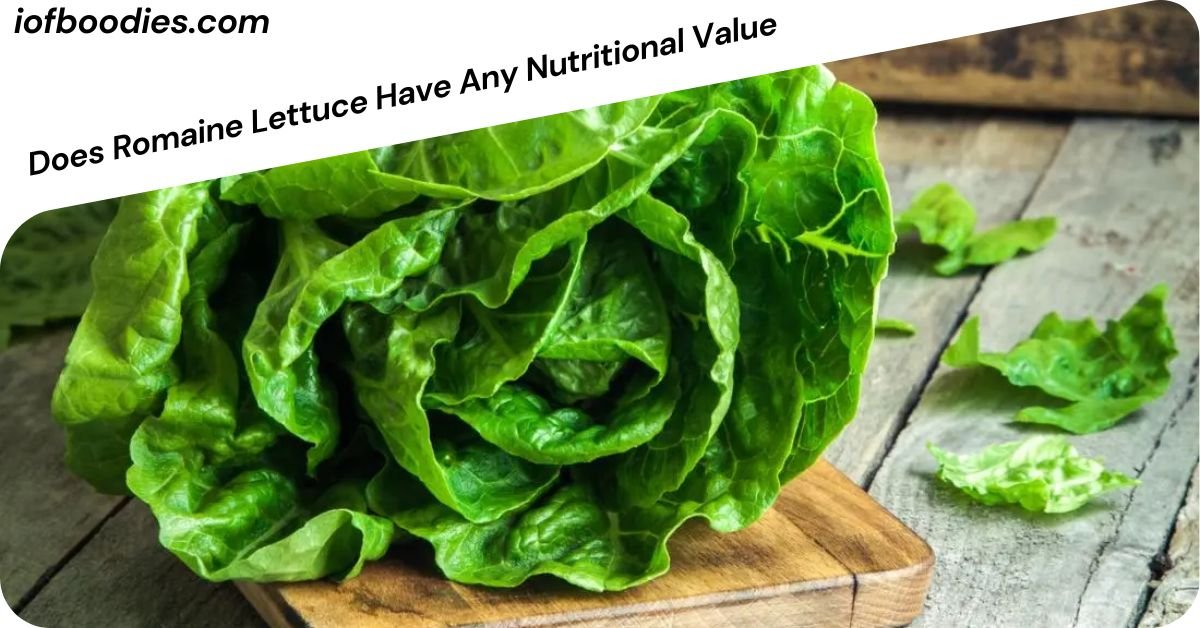
Romaine lettuce is a leafy green vegetable belonging to the lettuce family. It is known for its long leaves, crisp texture, and slightly bitter yet refreshing taste.
Unlike iceberg lettuce, which has a compact round shape, romaine lettuce grows in elongated heads with sturdy leaves. It is especially popular as the main ingredient in Caesar salads.
Romaine lettuce has been cultivated for thousands of years and remains one of the most widely consumed vegetables in the United States.
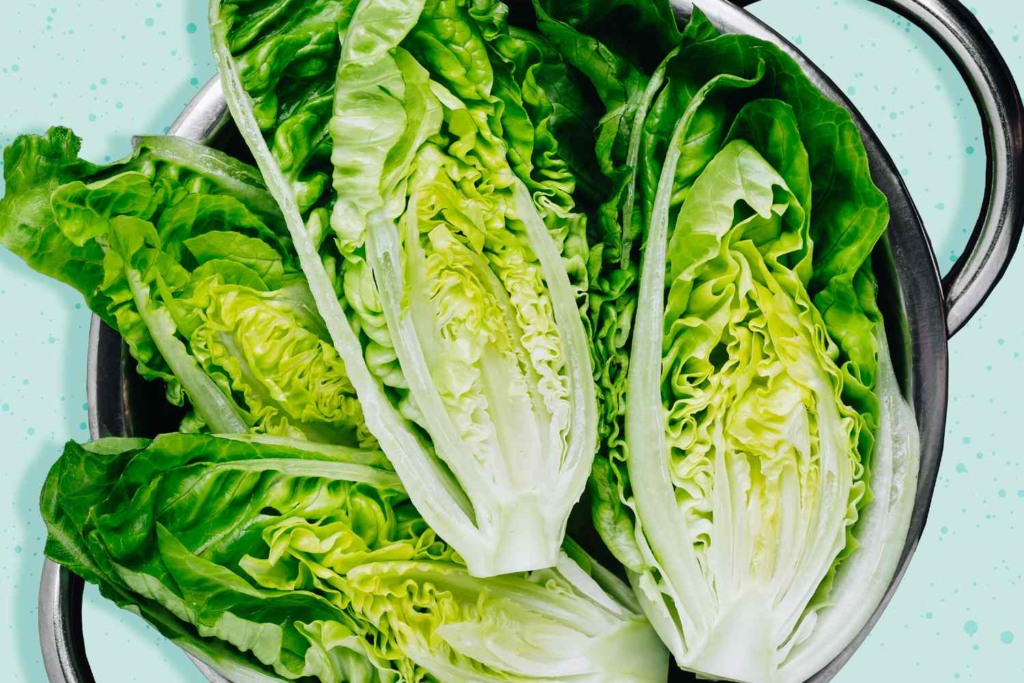
Does Romaine Lettuce Have Any Nutritional Value?
Many people assume that because romaine lettuce is low in calories, it must also be low in nutrients. This assumption is incorrect.
The answer to “does romaine lettuce have any nutritional value” is a strong yes. Romaine lettuce is packed with essential vitamins and minerals that contribute to overall health.
A typical serving of romaine lettuce contains:
- Vitamin A
- Vitamin K
- Folate
- Vitamin C
- Potassium
- Calcium
- Magnesium
- Fiber
- Antioxidants
- Water
Because it contains very few calories while providing important nutrients, romaine lettuce is considered a nutrient-dense food.
Romaine Lettuce Nutrition Facts
One cup of shredded romaine lettuce contains approximately:
- Calories: 8
- Protein: 0.6 grams
- Carbohydrates: 1.5 grams
- Fiber: 1 gram
- Fat: 0.1 grams
- Water: More than 95%
In addition, it provides significant amounts of:
- Vitamin A
- Vitamin K
- Folate
- Vitamin C
- Potassium
These nutrients make romaine lettuce a valuable addition to a healthy diet.
Vitamin A Benefits in Romaine Lettuce
One of the most impressive nutrients found in romaine lettuce is vitamin A.
Vitamin A helps support:
- Healthy vision
- Immune function
- Skin health
- Cell growth
- Reproductive health
The darker green leaves of romaine lettuce contain especially high amounts of beta-carotene, which the body converts into vitamin A.
Regular consumption of vitamin A-rich foods may help maintain eye health and reduce the risk of vision-related issues as people age.
Vitamin K: An Often Overlooked Nutrient
Another reason the answer to “does romaine lettuce have any nutritional value” is yes involves its vitamin K content.
Vitamin K plays a crucial role in:
- Blood clotting
- Bone health
- Calcium regulation
- Cardiovascular support
Even a modest serving of romaine lettuce can provide a significant percentage of daily vitamin K needs.
People who take blood-thinning medications should consult their healthcare provider regarding vitamin K intake because consistency is important.
Folate Content and Its Importance
Romaine lettuce is a good source of folate.
Folate helps:
- Produce healthy red blood cells
- Support DNA synthesis
- Promote healthy fetal development during pregnancy
- Reduce certain birth defect risks
Pregnant women often need increased folate intake, making romaine lettuce a useful addition to a balanced diet.
Vitamin C in Romaine Lettuce
Although oranges often receive the spotlight for vitamin C, romaine lettuce also contains this important nutrient.
Vitamin C supports:
- Immune health
- Collagen production
- Skin repair
- Wound healing
- Antioxidant protection
While romaine lettuce is not the richest source of vitamin C, every contribution helps support overall nutritional needs.
Does Romaine Lettuce Provide Fiber?
Yes, romaine lettuce contains dietary fiber.
Fiber is important because it helps:
- Promote healthy digestion
- Support regular bowel movements
- Increase feelings of fullness
- Support healthy cholesterol levels
- Help manage blood sugar
Although romaine lettuce is not as fiber-rich as beans or whole grains, it contributes to total daily fiber intake.
Hydration Benefits of Romaine Lettuce
One of the unique benefits of romaine lettuce is its extremely high water content.
More than 95% of romaine lettuce consists of water.
This helps:
- Support hydration
- Maintain healthy skin
- Assist digestion
- Regulate body temperature
- Promote overall wellness
People who struggle to drink enough water may benefit from consuming water-rich vegetables like romaine lettuce.
Antioxidants Found in Romaine Lettuce
Romaine lettuce contains several antioxidants that help protect cells from damage.
Important antioxidants include:
- Beta-carotene
- Vitamin C
- Lutein
- Zeaxanthin
These compounds help combat oxidative stress caused by free radicals.
Long-term consumption of antioxidant-rich foods may support healthy aging and overall wellness.
Also Read: Do Corn Have Any Nutritional Value? A Complete Guide to Corn Nutrition, Health Benefits, and Facts
How Romaine Lettuce Supports Eye Health
Romaine lettuce contains lutein and zeaxanthin, two plant compounds known for their role in eye health.
These nutrients may help:
- Protect the retina
- Reduce oxidative damage
- Support long-term vision
- Filter harmful blue light
Many eye health experts encourage consuming foods rich in these compounds throughout life.
Can Romaine Lettuce Help With Weight Loss?
Many people trying to lose weight ask whether romaine lettuce can help.
The answer is yes.
Romaine lettuce supports weight management because it is:
- Low in calories
- High in water
- Filling
- Nutrient-dense
A large salad made with romaine lettuce can provide volume and satisfaction while contributing relatively few calories.
Replacing high-calorie foods with nutrient-rich vegetables often supports healthy weight loss goals.
Heart Health Benefits of Romaine Lettuce
Several nutrients found in romaine lettuce may support heart health.
These include:
- Potassium
- Folate
- Fiber
- Antioxidants
Potassium helps maintain healthy blood pressure by balancing sodium levels in the body.
Fiber supports healthy cholesterol levels, while antioxidants help protect blood vessels from oxidative damage.
Although romaine lettuce alone is not a cure for heart disease, it can be part of a heart-healthy dietary pattern.
Bone Health and Romaine Lettuce
The vitamin K content of romaine lettuce makes it beneficial for bone health.
Vitamin K helps:
- Improve bone mineralization
- Support calcium utilization
- Maintain bone strength
Combining romaine lettuce with calcium-rich foods can contribute to stronger bones over time.
Does Romaine Lettuce Have Protein?
Romaine lettuce contains small amounts of protein.
While it is not considered a high-protein food, every serving contributes a small amount toward daily intake.
For a balanced meal, pair romaine lettuce with protein-rich foods such as:
- Chicken
- Turkey
- Eggs
- Fish
- Tofu
- Beans
- Greek yogurt
Comparing Romaine Lettuce and Iceberg Lettuce
One reason people ask “does romaine lettuce have any nutritional value” is because they compare it to iceberg lettuce.
Romaine lettuce generally contains:
- More vitamin A
- More vitamin K
- More folate
- More antioxidants
- More minerals
Iceberg lettuce is still healthy and hydrating, but romaine lettuce offers greater nutritional density.
This is one reason nutrition experts often recommend romaine over iceberg when possible.
Romaine Lettuce vs Spinach
Spinach is often considered a nutritional powerhouse.
Compared with romaine lettuce:
Spinach provides:
- More iron
- More magnesium
- More protein
Romaine lettuce provides:
- Crisp texture
- Mild flavor
- Excellent hydration
- Significant vitamins A and K
Rather than choosing one over the other, including both vegetables in your diet is ideal.
Romaine Lettuce vs Kale
Kale contains more nutrients overall, especially vitamin C and certain minerals.
However, romaine lettuce offers advantages:
- Easier to digest for some people
- Milder flavor
- Better texture for salads
- Higher water content
Both vegetables deserve a place in a healthy eating plan.
Can Children Eat Romaine Lettuce?
Yes, romaine lettuce can be a healthy food for children.
Benefits include:
- Low calorie content
- Important vitamins
- Hydration support
- Easy incorporation into meals
Parents can introduce romaine lettuce through wraps, sandwiches, tacos, and salads.
Is Romaine Lettuce Safe During Pregnancy?
Pregnant women can safely consume romaine lettuce when it is thoroughly washed and properly handled.
Benefits during pregnancy include:
- Folate
- Vitamin A
- Hydration
- Fiber
Proper washing is important because leafy greens can occasionally carry harmful bacteria if not cleaned correctly.
Best Ways to Eat Romaine Lettuce
Romaine lettuce is incredibly versatile.
Popular options include:
- Caesar salads
- Green salads
- Sandwich toppings
- Burger toppings
- Lettuce wraps
- Smoothies
- Tacos
- Grain bowls
The crisp texture makes it suitable for many healthy meals.
How to Store Romaine Lettuce
To maximize freshness:
- Store in the refrigerator
- Keep leaves dry
- Use a breathable storage bag
- Wash only before use
- Remove damaged leaves
Proper storage helps preserve nutrients and extend shelf life.
Can Cooking Affect Romaine Lettuce Nutrition?
Heat can reduce some nutrients, especially vitamin C.
For maximum nutritional value:
- Eat raw when possible
- Use minimal cooking
- Add to dishes at the end of cooking
Raw romaine lettuce generally retains the highest nutrient content.
Potential Drawbacks of Romaine Lettuce
Although healthy, romaine lettuce has a few limitations.
These include:
Lower Nutrient Density Than Some Greens
Vegetables such as kale and spinach provide higher concentrations of certain nutrients.
Food Safety Concerns
Like other leafy greens, romaine lettuce has occasionally been linked to foodborne illness outbreaks.
Consumers should:
- Wash thoroughly
- Buy from reputable sources
- Follow food safety guidelines
Limited Protein Content
Romaine lettuce should be part of a balanced meal rather than the sole source of nutrition.
Common Myths About Romaine Lettuce
Myth 1: Romaine Lettuce Is Just Water
While it contains a lot of water, it also provides vitamins, minerals, antioxidants, and fiber.
Myth 2: Lettuce Has No Nutritional Value
The question “does romaine lettuce have any nutritional value” exists because many people underestimate lettuce. In reality, romaine lettuce contains several essential nutrients.
Myth 3: Darker Greens Are Always Better
While kale and spinach may contain more nutrients, romaine lettuce still offers meaningful nutritional benefits and is often easier for people to eat regularly.
Expert Analysis: Why Romaine Lettuce Deserves More Credit
One reason romaine lettuce is sometimes overlooked is that it lacks the marketing attention given to trendy superfoods.
However, from a practical nutrition standpoint, romaine lettuce offers several advantages:
- Affordable
- Widely available
- Easy to prepare
- Low calorie
- Nutrient-rich
- Family friendly
A food does not need to be exotic or expensive to support health.
The true strength of romaine lettuce lies in its ability to help people consistently eat more vegetables. Consistency often matters more than chasing the latest superfood trend.
Someone who enjoys eating romaine lettuce daily may gain more health benefits than someone who buys expensive greens but rarely consumes them.
This perspective is often missing from nutrition discussions. Sustainable healthy eating habits typically produce better results than short-term dietary trends.
Should You Eat Romaine Lettuce Every Day?
For most healthy adults, eating romaine lettuce daily can be part of a nutritious diet.
Daily consumption may provide:
- Vitamins
- Minerals
- Hydration
- Fiber
- Antioxidants
Variety is still important, so consider rotating romaine lettuce with:
- Spinach
- Kale
- Arugula
- Mixed greens
- Swiss chard
This helps ensure a wider range of nutrients.
Final Verdict: Does Romaine Lettuce Have Any Nutritional Value?
The answer to the question “does romaine lettuce have any nutritional value” is absolutely yes.
Romaine lettuce is much more than a low-calorie salad ingredient. It provides important nutrients including vitamin A, vitamin K, folate, vitamin C, potassium, antioxidants, fiber, and water. These nutrients support eye health, bone health, heart health, digestion, hydration, and overall wellness.
While romaine lettuce may not contain as many nutrients as some darker leafy greens, it remains one of the healthiest and most practical vegetables available. Its affordability, versatility, refreshing taste, and nutritional benefits make it an excellent choice for people seeking a healthier diet.
When combined with other nutrient-rich foods, romaine lettuce can play a valuable role in supporting long-term health and helping individuals meet their daily vegetable intake goals.
Frequently Asked Questions (FAQs)
Does romaine lettuce have more nutrients than cabbage?
Romaine lettuce generally contains more vitamin A and vitamin K, while cabbage may provide more vitamin C and certain plant compounds. Both vegetables offer valuable nutrition.
Can I eat romaine lettuce at night?
Yes. Romaine lettuce is light, low in calories, and easy to digest, making it suitable for evening meals.
Does romaine lettuce contain natural sugar?
Romaine lettuce contains only very small amounts of natural sugar and is considered a low-sugar vegetable.
Is organic romaine lettuce more nutritious?
Research shows nutritional differences between organic and conventional romaine lettuce are generally small. The most important factor is eating more vegetables consistently.
Can pets eat romaine lettuce?
Many pets, including rabbits, guinea pigs, and some dogs, can safely eat romaine lettuce in moderation. Always consult a veterinarian before making dietary changes for pets.
Does romaine lettuce contain electrolytes?
Yes. Romaine lettuce contains potassium and small amounts of other minerals that help support electrolyte balance.
Can romaine lettuce be frozen?
Freezing is possible, but the texture becomes soft after thawing. Frozen romaine lettuce is best used in smoothies or cooked dishes.
Is romaine lettuce suitable for people with diabetes?
Yes. Romaine lettuce is low in carbohydrates and calories, making it an excellent vegetable choice for many people managing blood sugar levels.
Can romaine lettuce help improve skin appearance?
The vitamins, antioxidants, and hydration provided by romaine lettuce may contribute to healthier-looking skin as part of an overall balanced diet.
Why do nutritionists recommend romaine lettuce so often?
Nutritionists frequently recommend romaine lettuce because it is nutrient-dense, low in calories, affordable, widely available, versatile, and easy for most people to include in everyday meals.