What Does Nutritional Yeast Taste Like? A Complete Guide to Flavor, Uses, Benefits, and Cooking Tips
If you’ve recently come across nutritional yeast while searching for healthy foods or vegan recipes, you may be asking yourself, what does nutritional yeast taste like? It is one of the most common questions people have before trying this unique ingredient for the first time.
The short answer is that nutritional yeast has a rich, cheesy, nutty, and savory flavor. Many people compare it to grated Parmesan cheese, while others describe it as having a buttery, roasted, and slightly umami taste. Because of its delicious flavor, nutritional yeast has become a favorite ingredient among vegans, vegetarians, and anyone looking for healthier ways to add flavor to meals.
Unlike baking yeast or brewer’s yeast, nutritional yeast is made specifically for eating. It is inactive, meaning it cannot make bread rise. Instead, it is used as a seasoning that adds depth and richness to many dishes.
In this complete guide, you’ll learn exactly what does nutritional yeast taste like, why it tastes that way, how it compares to cheese, how to use it in everyday cooking, its health benefits, common myths, and expert tips to help you get the most from this popular superfood.
Whether you’re trying nutritional yeast for the first time or looking for new ways to enjoy it, this guide will answer all your questions in easy-to-understand language.
What Is Nutritional Yeast?
Before understanding what does nutritional yeast taste like, it helps to know what nutritional yeast actually is.
Nutritional yeast is a deactivated form of Saccharomyces cerevisiae, a type of yeast that is grown specifically for food. After growing under carefully controlled conditions, the yeast is heated to stop its activity. It is then harvested, dried, and turned into flakes, granules, or powder.
Because it is inactive, nutritional yeast cannot ferment dough like baking yeast.
People often call it “nooch,” especially in vegan cooking communities.
Nutritional yeast is widely loved because it provides both flavor and nutrition. Many products are fortified with B vitamins, including vitamin B12, making them especially popular among people who follow plant-based diets.
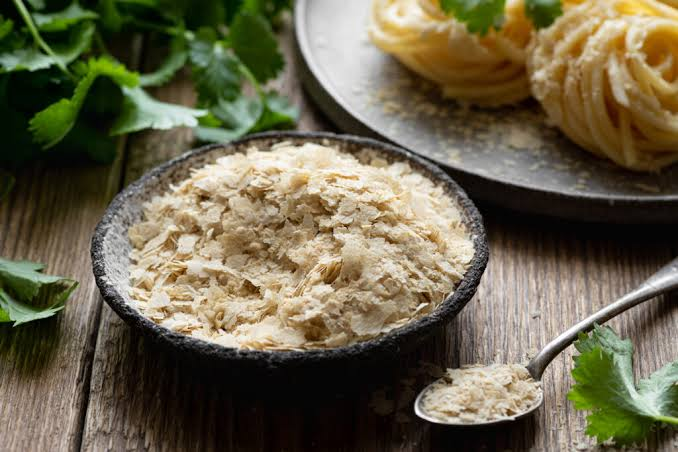
What Does Nutritional Yeast Taste Like?
The answer to what does nutritional yeast taste like is surprisingly complex because it contains several flavors at once.
Most people describe the taste as:
- Cheesy
- Nutty
- Savory
- Rich
- Creamy
- Slightly roasted
- Buttery
- Full of umami
The flavor is often compared to freshly grated Parmesan cheese without being exactly the same. Instead of tasting like dairy, nutritional yeast creates the same satisfying savory experience that cheese provides.
Imagine combining these flavors together:
- Parmesan cheese
- Roasted nuts
- Toasted bread
- Mild mushroom
- Light butter
- Savory broth
The result is the unique taste of nutritional yeast.
This combination explains why nutritional yeast has become one of the most versatile seasonings available today.
Why Does Nutritional Yeast Taste Cheesy?
Many people wonder why nutritional yeast tastes similar to cheese even though it contains no milk.
The answer comes down to naturally occurring compounds.
During the growing and drying process, nutritional yeast develops amino acids and glutamates that create umami. Umami is often called the fifth taste after sweet, salty, sour, and bitter.
Foods naturally high in umami include:
- Parmesan cheese
- Mushrooms
- Tomatoes
- Soy sauce
- Miso
- Seaweed
Since nutritional yeast also contains these savory compounds, your taste buds recognize a similar richness.
This explains why nutritional yeast works so well in dairy-free recipes.
Is Nutritional Yeast Sweet?
Not really.
Although yeast naturally contains tiny amounts of natural sugars during production, finished nutritional yeast is not sweet.
Instead, the dominant flavors are savory and nutty.
Some brands may have a very mild sweetness in the background, but it is barely noticeable.
Does Nutritional Yeast Taste Exactly Like Cheese?
No.
This is one of the biggest misconceptions.
Nutritional yeast does not perfectly copy cheddar, mozzarella, or Parmesan.
Instead, it reminds people of cheese because it provides the same savory satisfaction.
Think of it this way:
If Parmesan cheese scores 10 out of 10 for cheesiness, nutritional yeast might score around 7 or 8 depending on the recipe.
On its own, nutritional yeast has its own personality.
When mixed into sauces, soups, dips, mashed potatoes, or pasta, however, the cheesy flavor becomes much stronger.
What Is the Texture Like?
Taste is only part of the experience.
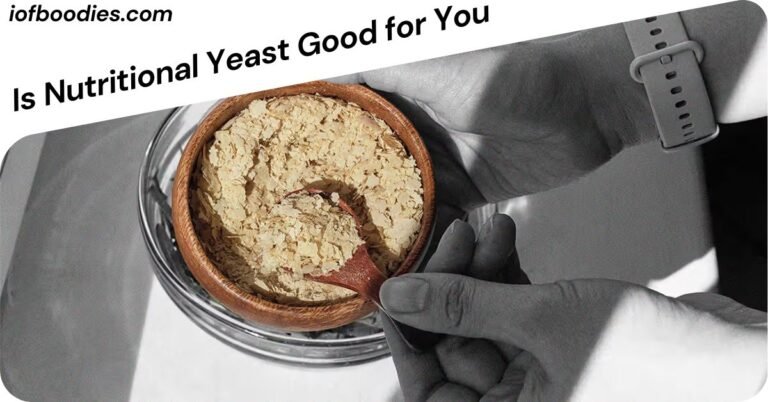
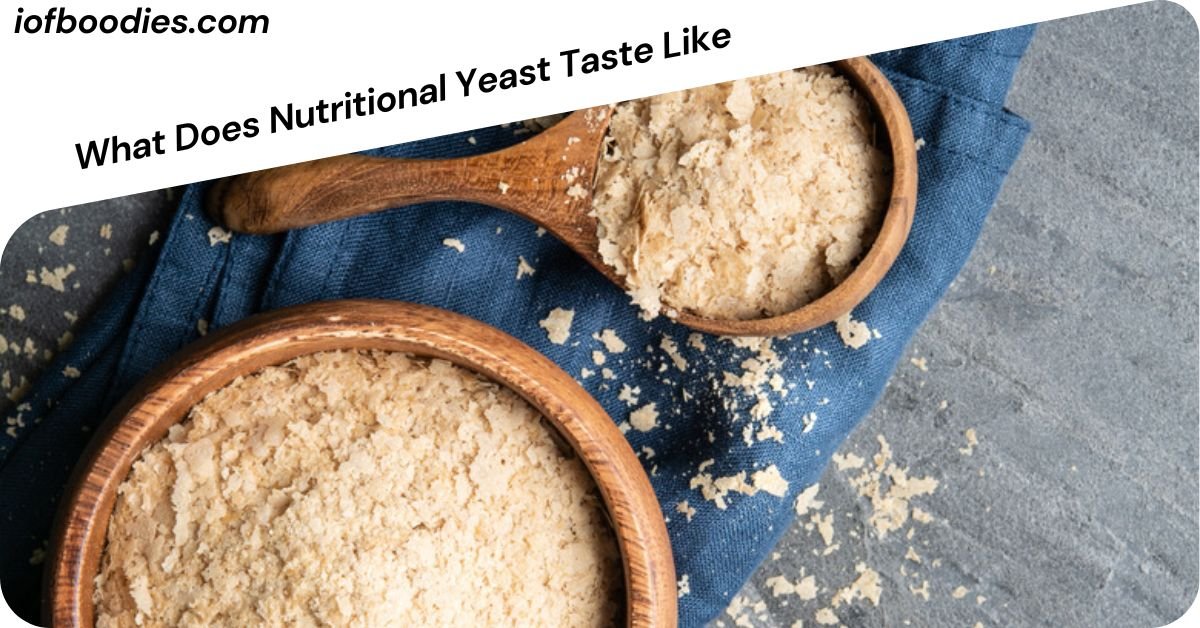
Nutritional yeast usually comes in light yellow flakes.
The flakes are:
- Soft
- Dry
- Thin
- Light
- Easy to crush
When added to hot food, they dissolve quickly.
In sauces, nutritional yeast creates a smoother and creamier texture.
When sprinkled over popcorn or vegetables, it stays dry and adds a pleasant coating.
Does Brand Matter?
Yes.
One reason people give different answers to “what does nutritional yeast taste like” is that brands can vary.
Some brands taste:
- More cheesy
- More nutty
- More roasted
- Slightly smoky
- More buttery
The growing process, drying temperature, and added vitamins can all influence flavor.
Trying two or three brands is often the best way to discover your favorite.
Why Do Vegans Love Nutritional Yeast?
Nutritional yeast has become almost a staple in vegan kitchens.
The reasons are simple.
It adds:
- Cheese flavor without dairy
- Protein
- B vitamins
- Rich umami taste
- Creaminess
- Extra nutrition
Instead of giving up cheesy recipes, many vegans simply replace cheese with nutritional yeast in sauces, dips, pasta, casseroles, and snacks.
It helps recreate familiar comfort foods while keeping meals completely dairy-free.
What Foods Pair Best with Nutritional Yeast?
One of the reasons nutritional yeast has become so popular is its versatility.
Its savory flavor pairs well with nearly every type of food.
Some of the best pairings include:
Popcorn
Sprinkling nutritional yeast over freshly popped popcorn creates a snack that tastes surprisingly similar to cheese popcorn.
Add a little olive oil or melted vegan butter first so the flakes stick better.
Pasta
Pasta is one of the easiest ways to enjoy nutritional yeast.
Mix it into hot pasta with olive oil, garlic, herbs, and black pepper for a quick meal.
Many people use it instead of grated Parmesan.
Mashed Potatoes
A few tablespoons of nutritional yeast make mashed potatoes taste richer and creamier without adding dairy.
Roasted Vegetables
Broccoli, cauliflower, Brussels sprouts, zucchini, carrots, and sweet potatoes all become more flavorful with nutritional yeast.
The roasted vegetables naturally enhance its nutty flavor.
Salads
Instead of using heavy cheese toppings, sprinkle nutritional yeast over salads for extra flavor and nutrients.
Soups
Creamy soups benefit greatly from nutritional yeast.
It adds body, depth, and a comforting savory taste.
Eggs
Even if you’re not vegan, nutritional yeast works wonderfully with scrambled eggs and omelets.
Its cheesy flavor complements eggs naturally.
Rice and Grain Bowls
Brown rice, quinoa, couscous, and farro all pair well with nutritional yeast.
Mix it in while the grains are still warm.
Also Read: Is Canned Spinach Nutrition Good? Complete Guide to Nutrition, Benefits, Risks, and Healthy Uses
How Does Nutritional Yeast Compare to Parmesan Cheese?
People often compare these two foods because they share similar flavor characteristics.
Parmesan cheese offers:
- Strong dairy flavor
- Salty richness
- Firm texture
- Sharp finish
Nutritional yeast offers:
- Nutty richness
- Mild cheesiness
- Earthy flavor
- Smooth umami finish
Although they are different ingredients, both satisfy the craving for savory foods.
Many people who stop eating dairy find nutritional yeast becomes their favorite Parmesan replacement.
Does Cooking Change the Flavor?
Yes.
Heat slightly changes the flavor of nutritional yeast.
When added during cooking, it becomes:
- Milder
- Creamier
- More blended with other ingredients
When sprinkled on finished food, the flavor stays stronger and more noticeable.
For this reason, many recipes use nutritional yeast both during cooking and as a finishing seasoning.
Why Some People Don’t Like It at First
Taste is personal.
Although millions of people love nutritional yeast, not everyone enjoys it immediately.
Common reasons include:
- Expecting it to taste exactly like cheese
- Using too much the first time
- Eating it plain
- Choosing recipes that don’t complement its flavor
Many first-time users discover they enjoy it much more after adding it to cooked meals rather than tasting it by itself.
Like olives, coffee, or dark chocolate, nutritional yeast can become more enjoyable over time.
Expert Tip for First-Time Users
If you’ve never tried nutritional yeast before, don’t start by eating a spoonful.
Instead:
- Sprinkle one teaspoon on popcorn.
- Add one tablespoon to pasta.
- Stir it into soup.
- Mix it into mashed potatoes.
- Blend it into cheese sauce.
These foods allow the savory flavor to shine naturally without becoming overwhelming.
As your palate becomes familiar with nutritional yeast, you’ll likely find yourself using it more often.
Nutritional Value of Nutritional Yeast
While many people first discover nutritional yeast because of its flavor, they continue using it because of its impressive nutrition profile.
Although nutrition varies by brand, a typical serving of two tablespoons provides:
- Around 40–60 calories
- 5–8 grams of protein
- 3–5 grams of fiber
- Very little fat
- No cholesterol
- Low sugar
- Essential B vitamins
- Often fortified with Vitamin B12
Because it is naturally rich in nutrients, nutritional yeast is considered a healthy addition to many meals.
Is Nutritional Yeast Healthy?
Yes. For most healthy adults, nutritional yeast can be part of a balanced diet.
Some of its biggest health advantages include:
Excellent Source of Plant Protein
Protein helps build muscles, repair tissues, and keep you feeling full.
Since nutritional yeast contains complete protein with essential amino acids, it is especially valuable for vegetarians and vegans.
Rich in B Vitamins
Many fortified brands provide:
- Vitamin B1
- Vitamin B2
- Vitamin B3
- Vitamin B5
- Vitamin B6
- Folate
- Vitamin B12
Vitamin B12 is especially important because it is harder to obtain from plant foods.
Supports Healthy Digestion
Nutritional yeast contains dietary fiber that supports healthy digestion and may help maintain regular bowel movements.
Low in Calories
If you’re trying to lose weight, nutritional yeast adds plenty of flavor without adding large amounts of calories.
Naturally Dairy-Free
People with lactose intolerance or dairy allergies often use nutritional yeast to replace cheese.
Who Should Eat Nutritional Yeast?
Nutritional yeast is suitable for many people, including:
- Vegans
- Vegetarians
- Flexitarians
- Athletes
- Older adults
- Busy families
- People reducing dairy
- Individuals seeking more plant-based protein
Its versatility makes it easy to include in nearly any eating pattern.
Who Should Limit Nutritional Yeast?
Although nutritional yeast is safe for most people, some individuals should speak with a healthcare professional before eating large amounts.
These include people with:
- Certain yeast allergies
- Severe inflammatory bowel conditions during flare-ups
- Sensitivity to tyramine
- Specific medication interactions
Moderation is generally the best approach with any food.
Does Nutritional Yeast Taste Better Cooked or Raw?
Both methods work well, but the flavor changes slightly.
Raw nutritional yeast has:
- Stronger cheese notes
- More noticeable nuttiness
- Sharper umami flavor
Cooked nutritional yeast has:
- Smoother taste
- Creamier texture
- Better blending with sauces
- More balanced flavor
Many experienced cooks use both methods together for the richest flavor.
Best Ways to Use Nutritional Yeast
One reason nutritional yeast has become so popular is that it works in countless recipes.
Here are some of the best ideas.
Sprinkle It on Popcorn
This is probably the most popular use.
Simply drizzle popcorn with a little olive oil and sprinkle nutritional yeast over the top.
Add garlic powder and smoked paprika for even more flavor.
Make Vegan Cheese Sauce
Blend nutritional yeast with:
- Cashews
- Plant milk
- Garlic
- Lemon juice
- Onion powder
- Mustard
- Salt
The result is a creamy cheese-style sauce that works for pasta, nachos, and vegetables.
Stir It Into Soups
Creamy soups become richer with a few tablespoons of nutritional yeast.
It works especially well in:
- Potato soup
- Tomato soup
- Broccoli soup
- Corn chowder
Mix Into Pasta
Add nutritional yeast after cooking pasta along with olive oil, garlic, herbs, and black pepper.
The flavor resembles a light Parmesan topping.
Upgrade Mashed Potatoes
Adding nutritional yeast makes mashed potatoes taste creamier without using extra cheese.
Toss with Roasted Vegetables
Roasted cauliflower, broccoli, Brussels sprouts, carrots, and zucchini all pair beautifully with nutritional yeast.
Blend Into Salad Dressings
Mix nutritional yeast into homemade vinaigrettes or creamy dressings for extra savory flavor.
Add to Scrambled Eggs
Even non-vegans enjoy nutritional yeast on eggs.
The cheesy flavor works naturally with breakfast dishes.
Mix Into Rice or Quinoa
Warm grains absorb the savory flavor well.
Add herbs and olive oil for a simple side dish.
Sprinkle on Avocado Toast
Nutritional yeast gives avocado toast an extra boost of flavor while adding nutrients.
Can You Eat Nutritional Yeast Every Day?
For most people, yes.
Many people enjoy one or two servings daily as part of a healthy diet.
Eating moderate amounts regularly can help increase protein and B vitamin intake.
As with any food, variety remains important for overall nutrition.
How Much Nutritional Yeast Should You Use?
If you’re new to nutritional yeast, start with one teaspoon.
As you become familiar with its flavor, increase to one or two tablespoons per serving.
Recipes that imitate cheese often use larger amounts.
Does Nutritional Yeast Taste Different From Brewer’s Yeast?
Yes.
People often confuse these products.
Nutritional yeast has:
- Mild cheesy flavor
- Nutty taste
- Pleasant umami
- Smooth finish
Brewer’s yeast usually tastes:
- Bitter
- Earthy
- Sharp
- Less pleasant on its own
Likewise, baking yeast should never be used as a substitute because it is active and has a completely different purpose.
Common Myths About Nutritional Yeast
Myth 1: It Tastes Exactly Like Cheese
Reality: It has a cheesy flavor but remains its own unique ingredient.
Myth 2: It Contains Dairy
Reality: Nutritional yeast is completely dairy-free.
Myth 3: It Is Only for Vegans
Reality: Many non-vegans use it simply because they enjoy the flavor.
Myth 4: It Makes Bread Rise
Reality: Nutritional yeast is inactive and cannot be used for baking bread.
Myth 5: It Has No Nutrition
Reality: It is rich in protein, fiber, and many vitamins.
How to Store Nutritional Yeast
Proper storage keeps nutritional yeast fresh for a long time.
For best quality:
- Keep it in an airtight container.
- Store it in a cool, dry place.
- Avoid moisture.
- Keep it away from direct sunlight.
- Refrigeration is optional but may help preserve freshness after opening.
When stored correctly, nutritional yeast often stays fresh for many months.
Buying Guide
When shopping, look for:
- Fortified Vitamin B12 if desired
- Fresh smell
- Bright yellow flakes
- No added artificial ingredients
- Reputable manufacturer
Choose flakes if you enjoy sprinkling it over food, or powder if you prefer blending it into sauces.
Expert Tips for Better Flavor
Here are several simple tricks to make nutritional yeast taste even better.
- Combine it with garlic powder.
- Add black pepper.
- Mix with olive oil.
- Pair with lemon juice.
- Sprinkle after cooking.
- Blend into creamy sauces.
- Add smoked paprika.
- Mix with roasted vegetables.
These combinations enhance the naturally savory flavor.
Is Nutritional Yeast Worth Trying?
Absolutely.
If you enjoy savory foods, pasta, popcorn, roasted vegetables, soups, or cheese, nutritional yeast is worth adding to your pantry.
It delivers rich flavor while also contributing valuable nutrients.
Even if you are not vegan, nutritional yeast can reduce the need for extra cheese and heavy seasonings.
Final Thoughts
So, what does nutritional yeast taste like?
The best description is that nutritional yeast has a rich, nutty, cheesy, savory, and umami flavor that resembles Parmesan cheese without actually being cheese. It adds depth, creaminess, and satisfying richness to countless dishes while remaining completely dairy-free.
Its unique flavor makes it one of the most versatile pantry ingredients available today. Whether sprinkled over popcorn, mixed into pasta, blended into creamy sauces, or stirred into soups, nutritional yeast transforms simple meals into something much more flavorful.
Beyond its taste, nutritional yeast provides plant protein, fiber, and important vitamins, making it an excellent addition to a balanced diet. It is easy to use, affordable, stores well, and fits into many eating styles.
If you’ve been wondering what does nutritional yeast taste like, the only way to fully appreciate its distinctive cheesy and nutty flavor is to try it yourself. Start with a small amount, experiment with different recipes, and you’ll likely discover why nutritional yeast has become a favorite ingredient in kitchens across the United States.
Frequently Asked Questions
Is nutritional yeast salty?
No. Nutritional yeast is naturally low in sodium unless salt has been added by the manufacturer. It delivers a savory flavor without being overly salty.
Can children eat nutritional yeast?
Yes. In moderation, nutritional yeast can be included in family meals. Parents should choose products appropriate for their child’s dietary needs and consult a pediatrician if they have questions.
Does nutritional yeast melt like cheese?
No. It dissolves into liquids and sauces but does not melt or stretch like dairy cheese.
Can nutritional yeast replace Parmesan in every recipe?
It works well as a topping and seasoning in many dishes, but it cannot completely replace Parmesan where cheese texture is essential.
Does nutritional yeast have a strong smell?
It has a mild roasted, nutty aroma that most people find pleasant rather than overpowering.
Is nutritional yeast gluten-free?
Many brands are naturally gluten-free, but always read the package to confirm there has been no cross-contamination during manufacturing.
Can I freeze nutritional yeast?
Freezing is not necessary. A cool, dry pantry is usually enough to maintain freshness.
Why is nutritional yeast yellow?
Its yellow color comes naturally from the drying process and the nutrients present in the yeast, not from artificial coloring.
Can nutritional yeast be used in baking recipes?
Yes, as a flavor ingredient. However, it cannot replace active yeast in bread recipes because it will not make dough rise.
What foods should not be mixed with nutritional yeast?
There are very few restrictions. If you dislike savory flavors in sweet foods, avoid adding nutritional yeast to desserts or sugary recipes, as its cheesy and umami taste is better suited to savory dishes.