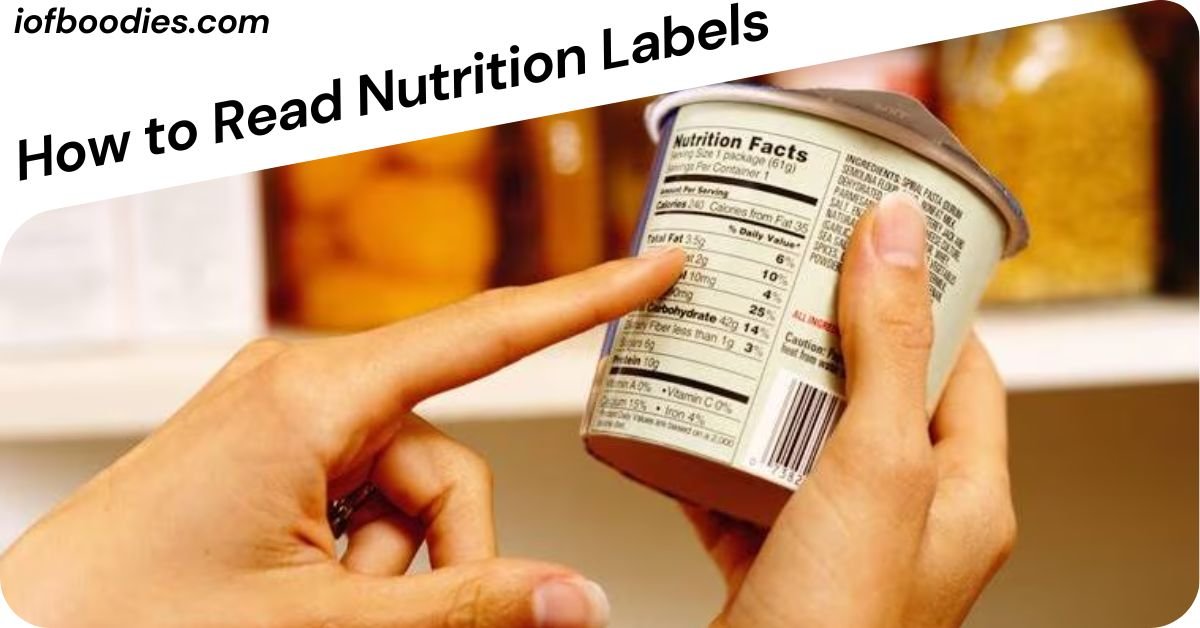
How to Read Nutrition Labels: The Complete Beginner’s Guide to Making Healthier Food Choices
If you want to eat healthier, lose weight, build muscle, manage a medical condition, or simply understand what is in your food, learning how to read nutrition labels is one of the most valuable skills you can develop.
Many people look at a package and focus only on calories. However, a nutrition label contains much more information than that. It tells you how much sugar, fat, protein, sodium, fiber, vitamins, and minerals are in a food. Understanding these details can help you make smarter decisions every time you shop.
The problem is that nutrition labels can seem confusing at first. Terms like serving size, daily value percentages, added sugars, and nutrient density often leave consumers unsure about what they are actually looking at.
This comprehensive guide explains how to read nutrition labels in simple language. You will learn exactly what every section means, how to compare products, what numbers matter most, and how to avoid common mistakes. By the end of this article, you will be able to confidently evaluate food products and choose options that support your health goals.
Why Nutrition Labels Matter
Nutrition labels were created to help consumers make informed food choices. They provide standardized information about the nutrients contained in packaged foods and beverages.
Understanding nutrition labels can help you:
- Control calorie intake
- Manage body weight
- Reduce excess sugar consumption
- Limit sodium intake
- Choose healthier fats
- Increase fiber consumption
- Monitor protein intake
- Compare similar products
- Manage health conditions such as diabetes, heart disease, and high blood pressure
- Build healthier eating habits
People who know how to read nutrition labels properly often make better purchasing decisions because they can identify healthier products rather than relying solely on marketing claims.
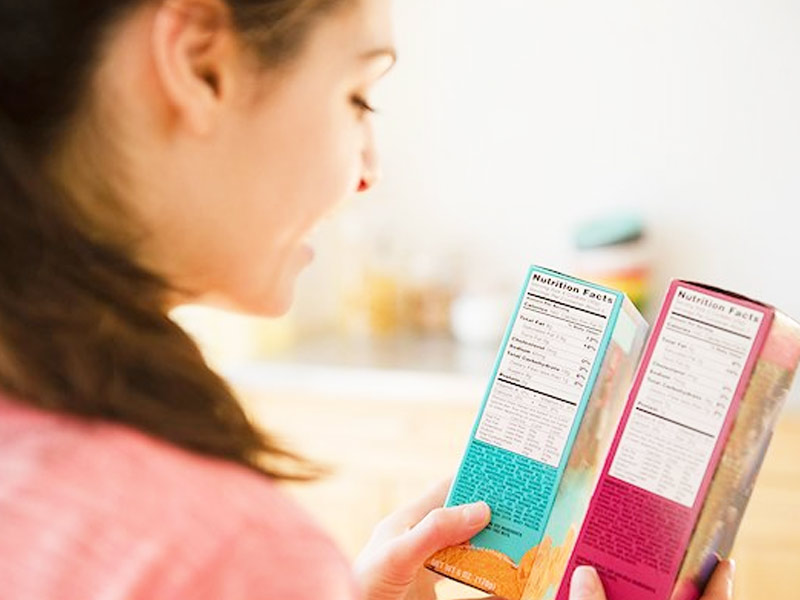
What Is a Nutrition Facts Label?
A Nutrition Facts label is a standardized panel found on most packaged foods sold in the United States. It provides detailed information about the nutritional content of a product.
The label typically includes:
- Serving size
- Servings per container
- Calories
- Total fat
- Saturated fat
- Trans fat
- Cholesterol
- Sodium
- Total carbohydrates
- Dietary fiber
- Total sugars
- Added sugars
- Protein
- Vitamins and minerals
- Percent Daily Value (%DV)
Understanding each of these sections is essential when learning how to read a nutrition facts label.
Step 1: Start With the Serving Size
The first and most important step when learning how to read nutrition labels is checking the serving size.
Every number on the label is based on this amount.
Also Read: What Is Nutrition? A Complete Guide to Understanding Nutrition, Health, and Healthy Living
For example:
Serving Size: 1 cup
Calories: 250
Protein: 8 grams
If you eat two cups instead of one, you consume:
- 500 calories
- 16 grams of protein
- Double the fat
- Double the carbohydrates
- Double the sodium
Many people accidentally consume much more than they realize because they ignore serving sizes.
Why Serving Size Matters
Food manufacturers often package multiple servings in one container.
A bag of chips may look like a single snack, but the label might list:
- Serving size: 15 chips
- Servings per container: 3
If you eat the entire bag, you must multiply all nutrition values by three.
This is one of the biggest mistakes consumers make when learning how to read a nutrition label.
Step 2: Check the Calories
After looking at serving size, the next step is checking calories.
Calories measure the amount of energy provided by food.
General Calorie Guidelines
As a basic rule:
- 40 calories = low
- 100 calories = moderate
- 400 calories or more = high
These are general guidelines and individual needs vary based on:
- Age
- Gender
- Activity level
- Body size
- Health goals
What Calories Tell You
Calories help you understand how much energy a food provides.
However, calories alone do not indicate whether a food is healthy.
For example:
A candy bar and a bowl of oatmeal may contain similar calories.
The oatmeal provides:
- Fiber
- Vitamins
- Minerals
- Longer-lasting fullness
The candy bar may provide:
- Added sugar
- Few nutrients
- Less satisfaction
Always look beyond calories.
Step 3: Understand Percent Daily Value (%DV)
One of the most misunderstood parts of nutrition labels is the Percent Daily Value.
The %DV shows how much a nutrient contributes to a daily diet.
It is based on a 2,000-calorie daily intake.
Easy Rule for Reading Daily Values
Use this simple guideline:
- 5% Daily Value or less = low
- 20% Daily Value or more = high
When Lower Is Better
You generally want lower percentages for:
- Saturated fat
- Sodium
- Added sugars
When Higher Is Better
You generally want higher percentages for:
- Fiber
- Calcium
- Iron
- Potassium
- Vitamin D
Knowing how to interpret Daily Values is a key part of understanding how to read nutritional labels correctly.
Step 4: Evaluate Total Fat
Fat is an essential nutrient that supports:
- Hormone production
- Brain function
- Cell growth
- Nutrient absorption
Not all fats are bad.
Types of Fat on Nutrition Labels
Total Fat
This includes all fats present in the food.
Saturated Fat
High intake of saturated fat may increase heart disease risk in some individuals.
Choose foods with lower saturated fat whenever possible.
Trans Fat
Trans fats are considered the least healthy type of fat.
Most experts recommend avoiding them completely.
Even if a label says “0 grams trans fat,” check the ingredient list for:
- Partially hydrogenated oils
These can still contain small amounts of trans fat.
Healthy Fat Sources
Look for foods containing:
- Nuts
- Seeds
- Avocados
- Olive oil
- Fatty fish
These provide healthier unsaturated fats.
Step 5: Watch Sodium Levels
Sodium is a mineral that helps regulate fluid balance and muscle function.
However, too much sodium may contribute to:
- High blood pressure
- Heart disease
- Stroke risk
Sodium Guidelines
As a general rule:
- 140 mg or less = low sodium
- 400 mg or more = high sodium
Many packaged foods contain surprisingly large amounts of sodium.
Examples include:
- Frozen meals
- Soups
- Processed meats
- Snack foods
- Sauces
When comparing products, choose options with less sodium whenever possible.
Step 6: Analyze Total Carbohydrates
Carbohydrates are the body’s primary energy source.
The Total Carbohydrate section includes:
- Dietary fiber
- Total sugars
- Added sugars
- Starches
Understanding this section is essential when learning how to read nutrition labels properly.
Step 7: Focus on Dietary Fiber
Fiber is one of the most important nutrients for overall health.
Benefits of fiber include:
- Better digestion
- Increased fullness
- Improved blood sugar control
- Heart health support
Fiber Guidelines
A good source of fiber contains:
- At least 3 grams per serving
An excellent source contains:
- 5 grams or more per serving
Many Americans do not consume enough fiber.
Choose foods rich in:
- Whole grains
- Beans
- Fruits
- Vegetables
- Seeds
Higher fiber foods are usually more filling and nutritious.
Step 8: Understand Total Sugars and Added Sugars
One of the most important updates to modern nutrition labels is the inclusion of Added Sugars.
Total Sugars
Total sugars include:
- Naturally occurring sugars
- Added sugars
Naturally occurring sugars are found in foods like:
- Fruit
- Milk
- Yogurt
Added Sugars
Added sugars are sugars added during processing.
Examples include:
- Cane sugar
- Corn syrup
- Honey
- Maple syrup
- Dextrose
Why Added Sugars Matter
High intake of added sugars may contribute to:
- Weight gain
- Tooth decay
- Type 2 diabetes risk
- Heart disease risk
When comparing products, choose those with lower added sugar content.
This is one of the most practical tips for anyone wanting to know how to read a nutrition facts label effectively.
Step 9: Check Protein Content
Protein is important for:
- Muscle growth
- Tissue repair
- Immune function
- Fullness and appetite control
Protein-rich foods can help you stay satisfied longer.
Also Read: What Is Nutritional Yeast? The Complete Guide to Benefits, Uses, Nutrition, and More
Good Protein Sources
Look for foods containing:
- Lean meat
- Fish
- Eggs
- Dairy
- Beans
- Lentils
- Soy products
Depending on your goals, higher protein foods may be beneficial.
Step 10: Look at Vitamins and Minerals
Modern nutrition labels highlight several important nutrients.
These often include:
- Vitamin D
- Calcium
- Iron
- Potassium
Why These Nutrients Matter
Vitamin D supports:
- Bone health
- Immune function
Calcium supports:
- Bones
- Teeth
Iron supports:
- Oxygen transport
- Energy production
Potassium supports:
- Heart function
- Healthy blood pressure
Higher Daily Values for these nutrients can indicate a more nutrient-dense food.
How to Read Ingredient Lists
The Nutrition Facts label is only part of the story.
The ingredient list provides additional information.
Ingredients Are Listed by Weight
Ingredients appear from highest to lowest quantity.
The first few ingredients usually make up the majority of the product.
What to Look For
Choose products where whole foods appear near the top.
Examples:
- Whole wheat
- Oats
- Brown rice
- Beans
- Fruits
- Vegetables
Be Careful With Long Lists of Added Sugars
Sugar may appear under many names:
- Cane sugar
- Brown sugar
- Corn syrup
- High-fructose corn syrup
- Dextrose
- Fructose
- Maltose
A product containing multiple forms of sugar may be higher in sugar than it appears.
Marketing Claims vs. Nutrition Labels
Many products use marketing terms that sound healthy.
Examples include:
- Natural
- Light
- Multigrain
- Made with real fruit
- Low fat
These claims can be misleading.
Always verify the information using the Nutrition Facts label.
Example
A product labeled “low fat” may contain:
- High sugar
- High calories
- Low fiber
The label tells the real story.
How to Compare Two Products
A practical way to understand how to read nutritional labels is by comparing similar foods.
Example: Breakfast Cereals
Check:
- Serving size
- Calories
- Fiber
- Protein
- Added sugars
- Sodium
A healthier cereal usually has:
- More fiber
- More protein
- Less sugar
- Less sodium
This method works for:
- Yogurt
- Bread
- Snacks
- Frozen meals
- Beverages
Common Nutrition Label Mistakes
Ignoring Serving Size
This is the most common mistake.
Always calculate how much you actually eat.
Focusing Only on Calories
Nutrition quality matters just as much as calorie count.
Ignoring Added Sugars
Many foods contain hidden sugars.
Overlooking Sodium
Even sweet foods may contain significant sodium.
Trusting Front-Package Claims
Always check the Nutrition Facts panel.
Forgetting About Ingredients
The ingredient list often reveals important details about food quality.
How Nutrition Labels Help With Weight Loss
Nutrition labels can be powerful tools for weight management.
They help you:
- Control portions
- Monitor calorie intake
- Increase protein
- Increase fiber
- Reduce added sugars
Foods higher in protein and fiber often improve fullness and reduce overeating.
How Nutrition Labels Help People With Diabetes
People with diabetes often monitor:
- Total carbohydrates
- Added sugars
- Fiber
Reading nutrition labels helps improve blood sugar management and meal planning.
How Nutrition Labels Help Heart Health
For heart health, pay close attention to:
- Saturated fat
- Trans fat
- Sodium
- Fiber
Choosing foods lower in saturated fat and sodium while increasing fiber may support cardiovascular health.
Understanding Nutrient Density
Nutrient density refers to how many beneficial nutrients a food provides relative to its calorie content.
Examples of nutrient-dense foods include:
- Fruits
- Vegetables
- Beans
- Fish
- Eggs
- Greek yogurt
- Whole grains
When learning how to read nutrition labels, focus on nutrient density rather than calories alone.
Updated Nutrition Label Trends Consumers Should Know
Nutrition labeling continues to evolve.
Modern labels now place greater emphasis on:
- Added sugars
- Realistic serving sizes
- Vitamin D
- Potassium
Consumers are increasingly looking for foods that provide:
- Higher protein
- More fiber
- Less added sugar
- Lower sodium
Understanding these trends helps shoppers make more informed choices in today’s food environment.
Quick Checklist for Reading Nutrition Labels
Whenever you buy packaged food, follow this simple checklist:
- Check serving size.
- Look at calories.
- Review Percent Daily Values.
- Limit saturated fat.
- Avoid trans fat.
- Watch sodium levels.
- Increase fiber.
- Limit added sugars.
- Check protein content.
- Review vitamins and minerals.
- Read the ingredient list.
- Compare products before purchasing.
Following these steps makes it much easier to understand how to read a nutrition label and choose healthier options.
Expert Insights: The Best Way to Use Nutrition Labels
Many consumers make food choices based on advertising, packaging, or assumptions.
A better approach is to use nutrition labels as decision-making tools rather than judgment tools.
No single food determines health.
Instead of labeling foods as “good” or “bad,” evaluate how they fit into your overall eating pattern.
Focus on consistency rather than perfection.
The most successful shoppers compare products within the same category and choose options that offer:
- More nutrients
- More fiber
- Adequate protein
- Less added sugar
- Less sodium
This balanced approach creates sustainable healthy eating habits over time.
Conclusion
Learning how to read nutrition labels is one of the simplest and most effective ways to improve your diet.
By understanding serving sizes, calories, fats, carbohydrates, fiber, sugars, protein, vitamins, minerals, and ingredient lists, you gain the ability to make informed food choices every day.
The next time you shop, take a few extra seconds to read the Nutrition Facts panel. Those few seconds can help you choose foods that better support your health, energy levels, weight goals, and overall well-being.
The more often you practice reading labels, the easier it becomes. Over time, understanding nutrition labels will feel natural, helping you confidently select foods that align with your personal health goals.
Frequently Asked Questions (FAQs)
How long does it take to learn how to read nutrition labels properly?
Most people can learn the basics within a few shopping trips. With regular practice, reading nutrition labels becomes a habit and takes only a few seconds per product.
Should I always choose the product with the fewest calories?
No. Lower calories do not automatically mean healthier. Consider fiber, protein, vitamins, minerals, and ingredient quality as well.
Are organic foods healthier according to nutrition labels?
Not necessarily. Organic products can still contain added sugars, sodium, and calories. Always review the Nutrition Facts label.
Why do some products have multiple serving sizes listed?
Some packages may display nutrition information for both a single serving and the entire package to help consumers better understand what they are eating.
Is it better to focus on protein or fiber?
Both are important. Protein supports muscle maintenance and fullness, while fiber supports digestion and long-lasting satisfaction.
Can nutrition labels help athletes?
Yes. Athletes can use labels to monitor calories, protein, carbohydrates, and important nutrients needed for performance and recovery.
What should parents pay attention to on children’s food labels?
Parents should focus on serving size, added sugars, fiber, sodium, protein, and overall ingredient quality when selecting foods for children.
Why do similar products have very different nutrition labels?
Different ingredients, recipes, processing methods, and serving sizes can significantly affect nutritional content.
Do frozen foods have nutrition labels?
Yes. Frozen foods include Nutrition Facts labels and should be evaluated using the same process as any packaged food.
Can nutrition labels help save money?
Yes. Comparing labels helps identify foods that provide better nutritional value, allowing consumers to make smarter purchases and avoid paying extra for misleading marketing claims.