Can Dogs Eat Nutritional Yeast? A Complete Guide for Dog Owners
Many pet owners today are searching for healthier and more natural ways to improve their dog’s diet. One ingredient that often comes up is nutritional yeast. If you have been wondering, “can dogs eat nutritional yeast,” the simple answer is yes. Dogs can safely eat nutritional yeast in moderate amounts, and many dogs even enjoy its cheesy flavor.
However, there is an important difference between nutritional yeast and active baking yeast. Nutritional yeast is inactive and safe when used properly, while active yeast dough can be dangerous for dogs. Understanding this difference is essential before adding it to your pet’s meals.
In this complete guide, you will learn everything about nutritional yeast for dogs, including its benefits, risks, nutrition facts, proper serving sizes, best ways to use it, and when to avoid it. This article is designed to give dog owners clear, updated, and trustworthy information in simple language.
What Is Nutritional Yeast?
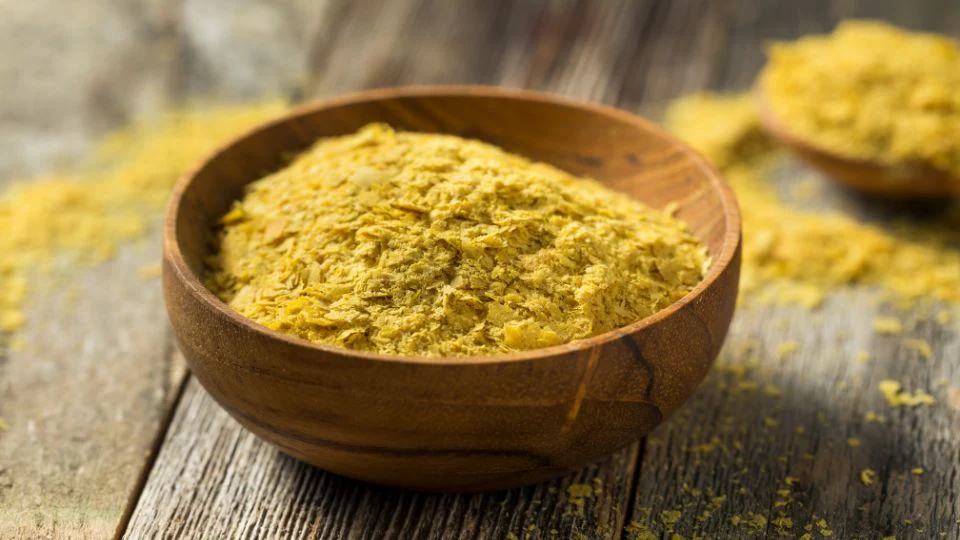
Nutritional yeast is a deactivated form of yeast commonly used as a food supplement. It is popular among vegans and health-conscious people because it contains vitamins, minerals, protein, and a savory flavor similar to cheese.
Unlike active yeast used in bread making, nutritional yeast is inactive. That means it does not rise, ferment, or expand in the stomach.
Nutritional yeast usually comes in:
- Flakes
- Powder
- Granules
Most pet owners sprinkle it over dog food as a flavor enhancer or nutritional supplement.
Can Dogs Eat Nutritional Yeast Safely?
Yes, dogs can eat nutritional yeast safely in small to moderate amounts. In fact, many commercial dog foods and dog treats already include yeast-based ingredients because they provide nutrients and improve taste.
The key point is using the correct type of yeast.
Safe for dogs:
- Nutritional yeast
- Brewer’s yeast (in moderate amounts)
Dangerous for dogs:
- Active dry yeast
- Bread dough yeast
- Raw yeast dough
When people ask, “can dogs eat nutritional yeast,” they often confuse it with baking yeast. This confusion can lead to serious health risks. Nutritional yeast is inactive, while active yeast continues to grow and produce gas.
Nutritional Value of Nutritional Yeast for Dogs
Nutritional yeast contains many nutrients that may support your dog’s overall health.
Here are some important nutrients found in nutritional yeast:
Also Read: AM Nutrition Services: The Complete Guide to Personalized Nutrition, Wellness, and Healthy Living
Protein
Nutritional yeast is rich in plant-based protein. Protein helps dogs maintain muscles, tissues, skin, and fur.
B Vitamins
Many nutritional yeast products contain B vitamins, including:
- Vitamin B1
- Vitamin B2
- Vitamin B3
- Vitamin B6
- Vitamin B12
These vitamins help support:
- Energy production
- Brain function
- Healthy skin
- Nervous system health
Fiber
Fiber may help improve digestion and support healthy bowel movements.
Minerals
Nutritional yeast contains minerals such as:
- Zinc
- Selenium
- Potassium
- Iron
These minerals support immune function and overall body health.
Antioxidants
Some forms of nutritional yeast contain antioxidants that may help protect cells from damage.
Health Benefits of Nutritional Yeast for Dogs
Many dog owners use nutritional yeast because it may offer several potential health benefits.
Improved Appetite
Dogs often love the cheesy and savory flavor of nutritional yeast. If your dog is a picky eater, sprinkling a little nutritional yeast on meals may encourage them to eat.
This can be especially helpful for:
- Senior dogs
- Sick dogs recovering from illness
- Dogs with reduced appetite
Healthier Skin and Coat
The B vitamins and minerals in nutritional yeast may help support:
- Softer fur
- Shinier coats
- Reduced dry skin
Some dog owners notice improvements after regular use over several weeks.
Immune System Support
Nutritional yeast contains nutrients that may help support the immune system. Zinc, selenium, and antioxidants all play roles in maintaining healthy immune function.
Digestive Support
The fiber content may help support healthy digestion in some dogs. Moderate use may contribute to balanced gut health.
Added Nutrition for Homemade Dog Food
Owners who prepare homemade dog meals sometimes use nutritional yeast as a supplement to improve nutritional balance and flavor.
Natural Flavor Enhancer
Dogs enjoy the umami taste of nutritional yeast. It can help make healthy foods more appealing without adding unhealthy ingredients.
Can Puppies Eat Nutritional Yeast?
Yes, puppies can usually eat small amounts of nutritional yeast, but moderation is very important. Puppies have sensitive digestive systems, so introducing any new food should happen slowly.
Before adding supplements to a puppy’s diet, it is best to talk with a veterinarian.
Choose plain nutritional yeast without:
- Garlic
- Onion
- Artificial flavors
- Excess salt
Is Nutritional Yeast Good for All Dogs?
Although many dogs tolerate nutritional yeast well, it may not be suitable for every dog.
Some dogs may have:
- Food sensitivities
- Yeast allergies
- Digestive issues
- Specific medical conditions
Always watch for reactions when introducing new foods.
Risks and Side Effects of Nutritional Yeast for Dogs
Even though nutritional yeast is generally safe, too much can cause problems.
Digestive Upset
Large amounts may lead to:
- Gas
- Bloating
- Diarrhea
- Stomach discomfort
Dogs with sensitive stomachs may react more easily.
Allergic Reactions
Some dogs may be allergic or sensitive to yeast products.
Signs of an allergic reaction may include:
- Itching
- Ear infections
- Paw licking
- Skin irritation
- Vomiting
If symptoms appear, stop using nutritional yeast and contact your veterinarian.
Weight Gain
Nutritional yeast contains calories. Too much can contribute to excess calorie intake if added heavily to meals every day.
Too Much Vitamin Intake
Some fortified nutritional yeast products contain high levels of vitamins, especially B vitamins. Excess supplementation may not be ideal if your dog already eats balanced commercial food.
Hidden Ingredients
Not all nutritional yeast products are pet-friendly. Some products contain ingredients that may be harmful to dogs.
Avoid products with:
- Garlic powder
- Onion powder
- Excess sodium
- Artificial seasonings
- Sweeteners
Difference Between Nutritional Yeast and Active Yeast
Understanding this difference is critical.
Nutritional Yeast
- Inactive
- Safe in moderation
- Used as a supplement
- Does not rise or expand
Active Yeast
- Used in baking
- Dangerous for dogs
- Expands inside the stomach
- Produces alcohol during fermentation
Raw bread dough containing active yeast can become a medical emergency for dogs.
Why Active Yeast Is Dangerous for Dogs
When dogs eat raw dough with active yeast:
- The dough expands in the stomach
- Gas builds up
- Alcohol forms during fermentation
This can cause:
- Severe bloating
- Pain
- Difficulty breathing
- Alcohol poisoning
- Life-threatening stomach twisting
If your dog eats raw yeast dough, contact a veterinarian immediately.
Also Read: What Does Nutritional Yeast Taste Like? A Complete Guide to Flavor, Uses, Benefits, and Cooking Tips
How Much Nutritional Yeast Can Dogs Eat?
Moderation is the key.
General serving guidelines:
Small dogs:
- 1/4 teaspoon to 1/2 teaspoon daily
Medium dogs:
- 1/2 teaspoon to 1 teaspoon daily
Large dogs:
- 1 to 2 teaspoons daily
Start with very small amounts and monitor your dog’s reaction.
Best Ways to Give Nutritional Yeast to Dogs
There are several easy ways to add nutritional yeast to your dog’s diet.
Sprinkle on Food
The most common method is sprinkling flakes or powder over regular meals.
Mix Into Homemade Treats
You can add nutritional yeast to:
- Homemade biscuits
- Frozen treats
- Training snacks
Blend Into Homemade Dog Food
Many homemade dog food recipes use nutritional yeast for flavor and nutrients.
Use During Appetite Loss
A light sprinkle may encourage dogs who are reluctant to eat.
Choosing the Best Nutritional Yeast for Dogs
Not all products are equal.
When choosing nutritional yeast for dogs, look for:
- Plain and unseasoned
- Non-GMO if preferred
- Low sodium
- No garlic or onion
- No artificial additives
Read labels carefully every time.
Can Nutritional Yeast Help Dogs with Fleas?
Some people believe yeast supplements help repel fleas because of their B vitamin content. However, scientific evidence supporting this claim is limited.
While some dog owners report improvements, nutritional yeast should not replace proper flea prevention methods recommended by veterinarians.
Can Dogs Eat Nutritional Yeast Every Day?
Most healthy dogs can eat small daily amounts safely. However, daily use should remain moderate.
If your dog eats a complete and balanced commercial diet, nutritional yeast should be treated as a supplement, not a replacement for proper nutrition.
Dogs with health conditions should always be evaluated individually.
Dogs That Should Avoid Nutritional Yeast
Some dogs may need to avoid it completely.
These may include dogs with:
- Yeast allergies
- Chronic ear infections
- Severe skin allergies
- Inflammatory bowel disease
- Certain immune disorders
Always consult a veterinarian if your dog has chronic health issues.
Can Senior Dogs Eat Nutritional Yeast?
Senior dogs may benefit from nutritional yeast because:
- Appetite can decrease with age
- Older dogs sometimes need additional flavor encouragement
- B vitamins support energy metabolism
Still, senior dogs often have sensitive digestion, so moderation remains important.
Is Nutritional Yeast Better Than Brewer’s Yeast for Dogs?
Both are commonly used, but they are slightly different.
Nutritional Yeast
- Known for cheesy flavor
- Often fortified with vitamins
- Popular in human food
Brewer’s Yeast
- Byproduct of beer brewing
- Common in pet supplements
- Often marketed for skin and coat health
Neither is automatically better. The best option depends on your dog’s needs and tolerance.
Homemade Dog Treat Recipe with Nutritional Yeast
Here is a simple homemade treat recipe.
Peanut Butter Nutritional Yeast Dog Biscuits
Ingredients:
- 1 cup oat flour
- 1/4 cup plain peanut butter
- 1 tablespoon nutritional yeast
- 1 egg
- Water as needed
Instructions:
- Preheat oven to 350°F.
- Mix all ingredients into dough.
- Roll and cut into shapes.
- Bake for 15 to 20 minutes.
- Cool completely before serving.
Common Myths About Nutritional Yeast for Dogs
Myth 1: All Yeast Is Dangerous
This is false. Nutritional yeast is inactive and generally safe in moderation.
Myth 2: Nutritional Yeast Cures Skin Problems
It may support skin health, but it is not a cure for allergies or medical conditions.
Myth 3: More Nutritional Yeast Means More Benefits
Too much can upset digestion and create nutritional imbalance.
Myth 4: Every Dog Needs Supplements
Many dogs eating balanced diets do not need extra supplements.
Veterinary Opinions on Nutritional Yeast
Most veterinarians agree that plain nutritional yeast can be safe for healthy dogs when used correctly.
Veterinary experts usually recommend:
- Using small amounts
- Avoiding seasoned varieties
- Monitoring for reactions
- Treating it as a supplement, not a main food
Professional guidance is especially important for dogs with existing medical conditions.
Signs Your Dog May Not Tolerate Nutritional Yeast
Watch carefully after introducing it.
Possible warning signs include:
- Vomiting
- Loose stool
- Excessive scratching
- Ear redness
- Paw chewing
- Bloating
- Gas
Stop feeding it if symptoms occur.
Can Dogs Eat Nutritional Yeast on a Grain-Free Diet?
Yes, nutritional yeast itself is usually grain-free. It can fit into many specialized dog diets if used appropriately.
Always check packaging because some blends may contain additional ingredients.
Organic vs Regular Nutritional Yeast for Dogs
Some owners prefer organic nutritional yeast because:
- Fewer pesticides may be used
- Products are often less processed
However, regular plain nutritional yeast is also generally safe if high quality and free from harmful additives.
Can Dogs Eat Fortified Nutritional Yeast?
Fortified nutritional yeast contains added vitamins, especially vitamin B12.
In moderate amounts, fortified versions are usually safe for healthy dogs. However, excessive vitamin intake may become a concern if used heavily alongside commercial dog food.
Plain unfortified products are often the simplest option.
Tips for Introducing Nutritional Yeast to Dogs
Follow these simple tips:
- Start with tiny amounts
- Introduce slowly
- Watch for reactions
- Use only plain varieties
- Avoid overfeeding
- Store properly in a cool dry place
What Experts Say About Moderation
One of the biggest mistakes dog owners make with supplements is assuming natural always means unlimited.
Even healthy ingredients should be used thoughtfully. Nutritional yeast works best as:
- A topper
- A flavor booster
- A small nutritional addition
It should never replace balanced meals or veterinary care.
Final Thoughts
So, can dogs eat nutritional yeast? Yes, they can. Nutritional yeast is generally safe for dogs when served in moderation and when it is plain and inactive. Many dogs enjoy the taste, and it may offer benefits such as added nutrients, improved appetite, and support for skin and coat health.
However, pet owners must understand the important difference between nutritional yeast and active baking yeast. Active yeast dough can be extremely dangerous for dogs and should never be given to them.
The safest approach is to:
- Use small amounts
- Choose high-quality plain products
- Watch for allergies or digestive problems
- Speak with your veterinarian if your dog has health conditions
When used responsibly, nutritional yeast can become a simple and enjoyable addition to your dog’s diet.
FAQs About Can Dogs Eat Nutritional Yeast
Can dogs eat nutritional yeast flakes?
Yes, dogs can safely eat plain nutritional yeast flakes in moderate amounts.
Can dogs eat nutritional yeast powder?
Yes, powder forms are usually safe if they contain no harmful ingredients.
Is nutritional yeast toxic to dogs?
No, nutritional yeast itself is not toxic. However, active baking yeast is dangerous.
Can dogs eat nutritional yeast every day?
Most healthy dogs can eat small daily amounts safely, but moderation is important.
Does nutritional yeast help picky dogs eat?
Yes, many dogs enjoy the savory flavor, which may improve appetite.
Can dogs with allergies eat nutritional yeast?
Some dogs tolerate it well, while others may react. Introduce it carefully and monitor symptoms.
Can diabetic dogs eat nutritional yeast?
Some diabetic dogs may tolerate it, but owners should ask a veterinarian before adding supplements.
Can dogs eat vegan nutritional yeast?
Yes, plain vegan nutritional yeast is generally safe for dogs.
Can dogs overdose on nutritional yeast?
Very large amounts may cause digestive upset or excessive vitamin intake.
Is fortified nutritional yeast safe for dogs?
Usually yes in small amounts, but avoid excessive use because of added vitamins.
Can dogs eat nutritional yeast with garlic flavor?
No. Garlic can be toxic to dogs and should always be avoided.
Can nutritional yeast replace dog vitamins?
No. It should only be used as a supplement, not a complete nutritional replacement.
Why do dogs like nutritional yeast?
Dogs are often attracted to its savory, cheesy, umami flavor.
Can nutritional yeast improve dog breath?
There is little scientific proof that it improves dog breath directly.
Should I ask my vet before giving nutritional yeast?
Yes, especially if your dog has allergies, digestive issues, or chronic medical conditions.