Does Nutritional Yeast Go Bad? Complete Storage, Shelf Life, and Freshness Guide
Nutritional yeast has become a staple ingredient in many American kitchens. It is popular among vegans, vegetarians, and health-conscious consumers because of its cheesy flavor, rich nutrient profile, and versatility in recipes. Whether sprinkled over popcorn, mixed into pasta sauces, or added to soups, nutritional yeast offers both flavor and nutrition.
But many people wonder: does nutritional yeast go bad?
The short answer is yes. Although nutritional yeast has a long shelf life compared to many food products, it will eventually lose its freshness, flavor, and nutritional quality. Proper storage can help it remain usable for up to two years or even longer in some cases, but poor storage conditions can significantly shorten its lifespan.
In this comprehensive guide, you will learn everything you need to know about nutritional yeast shelf life, signs of spoilage, storage methods, expiration dates, and whether nutritional yeast is still safe to eat after its best-by date.
What Is Nutritional Yeast?
Before discussing whether nutritional yeast goes bad, it helps to understand what nutritional yeast actually is.
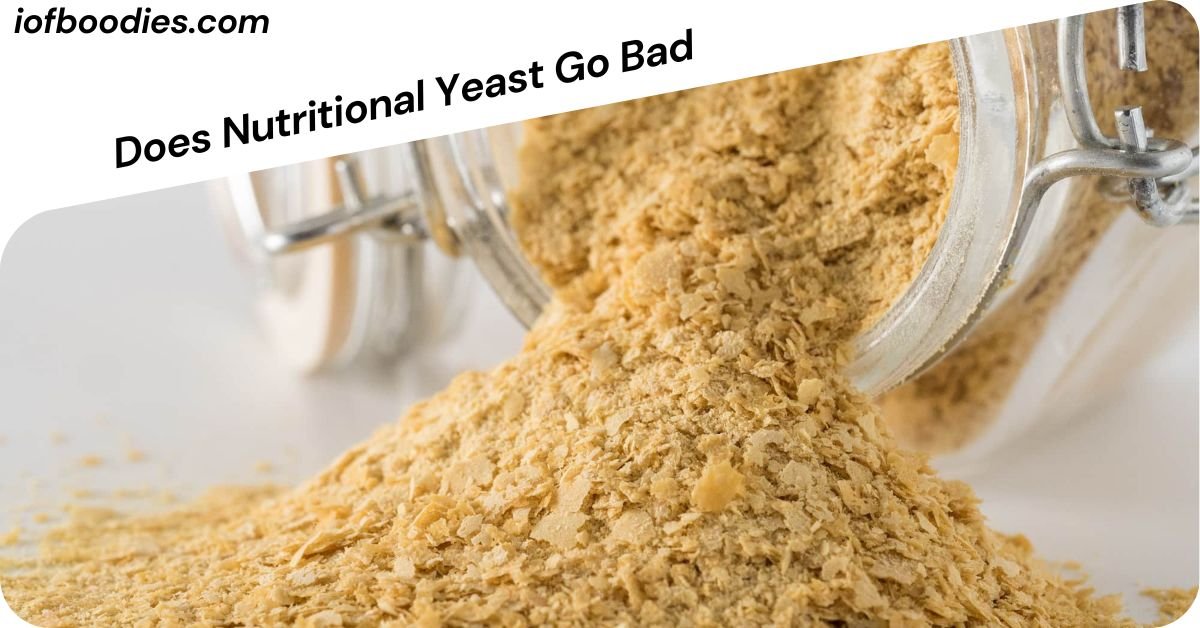
Nutritional yeast is a deactivated strain of Saccharomyces cerevisiae, the same species used in baking and brewing. Unlike active baking yeast, nutritional yeast cannot make bread rise because it has been heated and dried.
It typically appears as yellow flakes, granules, or powder and has a savory, nutty, cheese-like flavor. Many people use it as a dairy-free cheese substitute.
Nutritional yeast is often fortified with:
- Vitamin B12
- Vitamin B6
- Thiamin
- Riboflavin
- Niacin
- Folate
It is also a good source of:
- Protein
- Fiber
- Antioxidants
- Essential amino acids
Because it is dry and moisture-free, nutritional yeast naturally lasts much longer than fresh foods.
Does Nutritional Yeast Go Bad?
Yes, nutritional yeast does go bad over time.
However, nutritional yeast is considered a shelf-stable food. When stored properly in a cool, dry location, an unopened package can remain in excellent condition for around two years.
Even after the expiration date, nutritional yeast may still be safe to eat if it has been stored correctly and shows no signs of spoilage.
The main issue is not necessarily food safety but quality degradation. Over time, nutritional yeast may:
- Lose flavor
- Become less aromatic
- Lose some nutritional potency
- Develop clumps from moisture exposure
- Absorb odors from nearby foods
This means nutritional yeast can become less enjoyable and less effective as a flavor enhancer, even if it remains safe for consumption.
Does Nutritional Yeast Actually Go Bad or Just Lose Quality?
One common question is: does nutritional yeast actually go bad?
The answer is both yes and no.
Unlike fresh dairy products or meat, nutritional yeast does not spoil quickly because it contains very little moisture. Harmful bacteria generally need moisture to grow.
However, nutritional yeast can still deteriorate due to:
- Exposure to air
- Humidity
- Heat
- Light
- Contamination
In many cases, people describe old nutritional yeast as “bad” because it no longer tastes fresh rather than because it has become unsafe.
Think of it like dried spices. They may remain safe for years, but eventually they lose their flavor and usefulness.
How Long Does Nutritional Yeast Last?
The shelf life of nutritional yeast depends largely on storage conditions.
Unopened Nutritional Yeast
When stored properly:
- Pantry: Up to 2 years
- Cool cupboard: 2 years or longer
Manufacturers usually print a best-by date rather than a true expiration date.
Opened Nutritional Yeast
After opening:
- Pantry storage: 6 to 12 months for best quality
- Refrigerator storage: Up to 1 year or more
- Freezer storage: Up to 2 years
Proper sealing plays a major role in maintaining freshness.
Does Nutritional Yeast Go Bad If Not Refrigerated?
Another frequently searched question is: does nutritional yeast go bad if not refrigerated?
Not necessarily.
Refrigeration is recommended but not always required.
Nutritional yeast can safely remain at room temperature if:
- Stored in an airtight container
- Kept away from moisture
- Protected from direct sunlight
- Stored below normal room heat levels
Many manufacturers recommend refrigeration after opening because cooler temperatures help preserve flavor and nutrients.
If your home is cool and dry, pantry storage may be sufficient.
However, in warmer climates or humid environments, refrigeration can significantly extend freshness.
What Causes Nutritional Yeast to Go Bad Faster?
Several factors can reduce the shelf life of nutritional yeast.
Moisture
Moisture is the biggest enemy of nutritional yeast.
When moisture enters the container, it can:
- Cause clumping
- Encourage mold growth
- Create unpleasant odors
- Reduce shelf life
Always use a dry spoon when scooping nutritional yeast.
Air Exposure
Repeated exposure to oxygen gradually reduces freshness.
Air can:
- Degrade flavor compounds
- Reduce vitamin potency
- Cause stale tastes
Keeping containers tightly sealed helps minimize oxygen exposure.
Heat
High temperatures accelerate quality loss.
Avoid storing nutritional yeast:
- Near ovens
- Above stoves
- Near dishwashers
- In hot garages
Light
Direct sunlight can damage nutrients and affect flavor.
Store nutritional yeast in:
- Dark cupboards
- Opaque containers
- Refrigerators
Cross-Contamination
Dirty utensils can introduce bacteria, food particles, and moisture.
Also Read: Can of Tuna Nutrition Facts: Complete Guide to Calories, Protein, Benefits, and Health Facts
Always use clean, dry utensils.
How Can You Tell If Nutritional Yeast Has Gone Bad?
Fortunately, nutritional yeast usually provides several warning signs when it is no longer suitable for use.
Strange Smell
Fresh nutritional yeast has a pleasant nutty and cheesy aroma.
Discard it if it smells:
- Sour
- Musty
- Moldy
- Rancid
Unpleasant odors often indicate contamination.
Mold Growth
Visible mold is a clear sign that nutritional yeast should be thrown away immediately.
Signs include:
- Green spots
- White fuzzy patches
- Black discoloration
Never attempt to remove mold and eat the remaining product.
Significant Clumping
Small clumps are often harmless.
However, severe clumping can indicate moisture exposure.
If large hard chunks develop and the product smells unusual, it is best to discard it.
Color Changes
Fresh nutritional yeast typically has a pale yellow or golden appearance.
Warning signs include:
- Dark brown patches
- Gray discoloration
- Unusual spotting
Loss of Flavor
Although not dangerous, nutritional yeast that has lost most of its flavor is past its peak quality.
If it no longer delivers its characteristic cheesy taste, replacing it may improve your recipes.
Can You Eat Expired Nutritional Yeast?
In many cases, yes.
The date printed on nutritional yeast packaging is usually a best-by date rather than a strict expiration date.
If the product:
- Looks normal
- Smells normal
- Tastes normal
- Has been stored properly
It may still be safe after the printed date.
However, nutritional value and flavor may gradually decline over time.
Use your senses and common judgment when evaluating older nutritional yeast.
Is Expired Nutritional Yeast Dangerous?
Generally, expired nutritional yeast is not dangerous if it has remained dry and uncontaminated.
The greater concern is quality rather than safety.
Potential risks arise only if:
- Mold develops
- Moisture enters the package
- Contamination occurs
If any spoilage signs are present, discard the product immediately.
Best Way to Store Nutritional Yeast
Proper storage can dramatically extend shelf life.
Keep It Airtight
Transfer opened nutritional yeast into:
- Glass jars
- Airtight food containers
- Resealable storage containers
Reducing air exposure preserves freshness.
Store in a Cool Place
Ideal temperatures are below 70°F (21°C).
Good locations include:
- Pantry shelves
- Kitchen cupboards
- Refrigerators
Avoid Humidity
Keep nutritional yeast away from:
- Steam-producing appliances
- Sink areas
- Damp cabinets
Refrigerate After Opening
Although not mandatory, refrigeration offers additional protection against:
- Heat
- Humidity
- Nutrient degradation
Many long-term users store nutritional yeast in the refrigerator for maximum freshness.
Can You Freeze Nutritional Yeast?
Yes.
Freezing is an excellent option for people who buy large quantities.
Benefits include:
- Extended shelf life
- Better nutrient preservation
- Reduced flavor loss
Store nutritional yeast in airtight freezer-safe containers.
Allow it to return to room temperature before opening to prevent condensation.
Does Nutritional Yeast Lose Nutrients Over Time?
Yes.
Even under ideal storage conditions, some nutrients gradually decline.
Vitamins most sensitive to storage include:
- Vitamin B1
- Vitamin B6
- Vitamin B12
- Folate
The flavor compounds may also weaken over time.
This is why fresher nutritional yeast often tastes stronger and more savory than older products.
Does Refrigeration Preserve Vitamin Content?
Research on dried foods suggests that cooler storage temperatures help slow nutrient degradation.
Refrigeration can help preserve:
- B vitamins
- Flavor compounds
- Aroma characteristics
For consumers who use nutritional yeast occasionally, refrigeration is often worthwhile.
Is Bulk Nutritional Yeast More Likely to Go Bad?
Bulk nutritional yeast can remain fresh for a long time, but there are additional considerations.
Bulk bins expose products to:
- Air
- Light
- Frequent handling
As a result, bulk nutritional yeast may start with a slightly shorter remaining shelf life than freshly sealed packages.
Also Read: Can Coke Nutritional Information: Complete Guide to Calories, Sugar, Caffeine, and Health Facts
When buying bulk nutritional yeast:
- Purchase from reputable stores
- Check appearance carefully
- Transfer to airtight containers immediately
Can Nutritional Yeast Attract Bugs?
Although uncommon, improperly stored nutritional yeast can attract pantry pests.
Potential invaders include:
- Weevils
- Pantry moths
- Beetles
Prevent infestations by:
- Using sealed containers
- Inspecting packages regularly
- Storing away from infested products
Common Mistakes That Make Nutritional Yeast Go Bad Faster
Many people unknowingly shorten the lifespan of their nutritional yeast.
Common mistakes include:
Leaving the Lid Loose
Air and moisture enter easily.
Using Wet Spoons
Even small amounts of water can cause spoilage.
Storing Near Heat Sources
Heat accelerates quality degradation.
Keeping It in Original Paper Packaging
Some packaging offers limited long-term protection once opened.
Ignoring Signs of Moisture
Clumping may indicate developing problems.
Is Nutritional Yeast Safe for Long-Term Storage?
Yes.
Because nutritional yeast is a dry food, it is well suited for long-term storage.
Many emergency food preparedness experts include nutritional yeast in pantry reserves because it provides:
- Protein
- B vitamins
- Long shelf life
- Easy storage
Properly stored nutritional yeast can remain useful for years.
How to Maximize Nutritional Yeast Shelf Life
To get the longest possible life from your nutritional yeast:
- Buy reputable brands.
- Check packaging integrity.
- Store in airtight containers.
- Keep away from moisture.
- Refrigerate after opening.
- Use clean, dry utensils.
- Avoid repeated temperature changes.
- Monitor for unusual smells or colors.
Following these simple practices can help maintain freshness for up to two years or longer.
Final Verdict: Does Nutritional Yeast Go Bad?
So, does nutritional yeast go bad?
Yes, nutritional yeast does go bad eventually, but it lasts much longer than many foods due to its low moisture content. When stored properly in a cool, dry, airtight environment, nutritional yeast can maintain excellent quality for around two years.
For most people, the biggest issue is not food safety but declining flavor and nutritional quality. Refrigeration can help preserve freshness, while moisture, heat, and air exposure can significantly shorten shelf life.
If your nutritional yeast still smells fresh, looks normal, and tastes good, it may remain usable even after the best-by date. However, any signs of mold, strange odors, discoloration, or contamination mean it is time to replace it.
By storing nutritional yeast correctly, you can enjoy its cheesy flavor, nutritional benefits, and versatility for a very long time.
Frequently Asked Questions About Does Nutritional Yeast Go Bad
Can nutritional yeast expire before the printed date?
Yes. Poor storage conditions such as heat, humidity, or contamination can cause nutritional yeast to deteriorate before its best-by date.
Does nutritional yeast need to be refrigerated after opening?
Not always. However, refrigeration helps preserve flavor, nutrients, and freshness, especially in warm or humid climates.
Can old nutritional yeast make you sick?
Usually not. Properly stored nutritional yeast is generally safe. However, moldy or contaminated nutritional yeast should never be consumed.
Why does my nutritional yeast taste bland?
Flavor loss naturally occurs over time due to air exposure and aging. Old nutritional yeast may still be safe but less flavorful.
Can nutritional yeast be stored in glass jars?
Yes. Airtight glass jars are one of the best storage options because they help block moisture and reduce air exposure.
Does nutritional yeast lose protein over time?
Protein remains relatively stable during storage. Vitamins and flavor compounds typically decline faster than protein content.
Can I use nutritional yeast for emergency food storage?
Yes. Its long shelf life, nutritional value, and ease of storage make it a popular pantry and emergency preparedness food.
What is the ideal storage temperature for nutritional yeast?
A cool environment below 70°F (21°C) is ideal. Refrigeration provides additional protection and may extend freshness.
Does nutritional yeast absorb odors from other foods?
Yes. Nutritional yeast can absorb strong odors if not stored in a tightly sealed container, which may affect its flavor.
How often should I replace nutritional yeast?
For best flavor and nutrition, replace nutritional yeast every one to two years, depending on storage conditions and usage patterns.