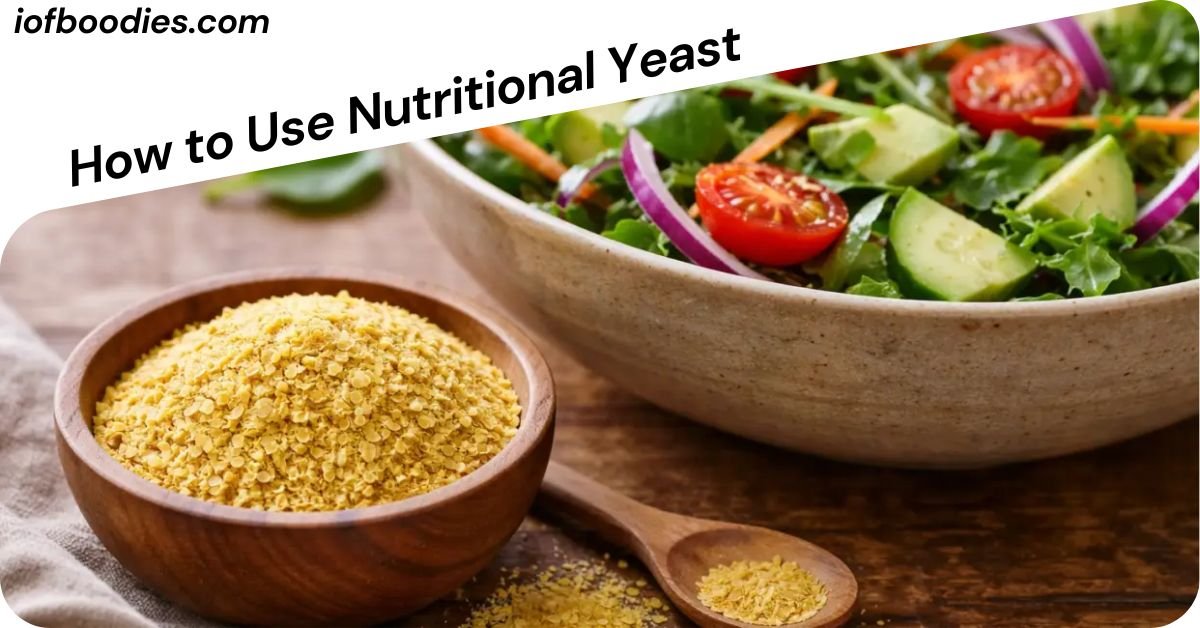
How to Use Nutritional Yeast: The Complete Beginner’s Guide to Cooking, Flavoring, and Healthy Eating
If you have recently discovered nutritional yeast, you may be wondering exactly how to use it in everyday meals. Many people buy a container of nutritional yeast because they hear about its health benefits, only to leave it sitting in the pantry because they are not sure what to do with it.
The good news is that learning how to use nutritional yeast is simple. This versatile ingredient can be sprinkled, mixed, blended, baked, and cooked into countless recipes. It adds a rich, savory, cheesy flavor without dairy, making it popular among vegans, vegetarians, and anyone looking for healthier ways to add flavor to food.
In this comprehensive guide, you’ll learn everything about how to use nutritional yeast, including cooking methods, serving ideas, recommended amounts, nutritional benefits, storage tips, and common mistakes to avoid.
By the end of this article, you’ll know exactly how to use nutritional yeast flakes in dozens of delicious ways.
What Is Nutritional Yeast?
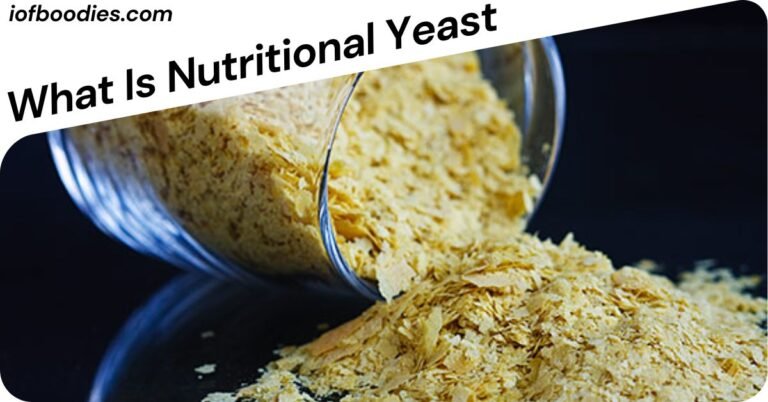
Nutritional yeast is a deactivated yeast made from a strain called Saccharomyces cerevisiae. Unlike baking yeast or brewer’s yeast, nutritional yeast does not make bread rise and is not used for fermentation.
After the yeast is grown, harvested, washed, and dried, it becomes inactive. The final product is typically sold as yellow flakes, granules, or powder.
Nutritional yeast is known for its:
- Cheesy flavor
- Nutty taste
- Savory umami richness
- High protein content
- B-vitamin content
- Long shelf life
Many people describe its taste as similar to Parmesan cheese, which explains why it is often used as a dairy-free cheese alternative.
Why Is Nutritional Yeast So Popular?
The popularity of nutritional yeast has increased dramatically in recent years. While it has long been a staple in vegan cooking, many health-conscious consumers now use it regularly.
Some reasons people love nutritional yeast include:
- Adds flavor without excessive sodium
- Contains plant-based protein
- Often fortified with vitamin B12
- Naturally gluten-free
- Easy to store
- Versatile in recipes
- Suitable for vegan and vegetarian diets
Its ability to transform simple foods into flavorful meals is one of the biggest reasons it continues to gain popularity.
Understanding the Flavor of Nutritional Yeast
Before learning how to use nutritional yeast in cooking, it helps to understand its flavor profile.
Nutritional yeast delivers:
- Cheesy notes
- Nutty undertones
- Slightly roasted flavor
- Deep savory umami taste
This flavor combination works particularly well in dishes that traditionally use cheese, butter, or cream-based seasonings.
Many people who avoid dairy find that nutritional yeast satisfies cravings for rich and cheesy foods.
How to Use Nutritional Yeast
The simplest answer to how to use nutritional yeast is to treat it as a flavor enhancer.
Think of it like a seasoning rather than a main ingredient.
You can:
- Sprinkle it over food
- Mix it into sauces
- Stir it into soups
- Blend it into dressings
- Add it to snacks
- Include it in baked recipes
The possibilities are nearly endless.
How to Use Nutritional Yeast Flakes on Everyday Foods
One of the easiest ways to start using nutritional yeast is by sprinkling the flakes directly onto foods.
Popular options include:
Popcorn
Nutritional yeast and popcorn are a classic combination.
Simply:
- Pop fresh popcorn.
- Lightly coat with olive oil or melted butter.
- Sprinkle nutritional yeast flakes generously.
- Toss and enjoy.
The result is a cheesy-tasting snack without cheese.
Salads
A tablespoon of nutritional yeast can instantly boost the flavor of salads.
It pairs especially well with:
- Caesar-style salads
- Kale salads
- Mixed greens
- Grain bowls
Avocado Toast
Sprinkle nutritional yeast on avocado toast for an extra savory layer of flavor.
The creamy avocado and cheesy yeast complement each other perfectly.
Roasted Vegetables
Nutritional yeast works wonderfully on:
- Broccoli
- Cauliflower
- Brussels sprouts
- Sweet potatoes
- Carrots
Add it immediately after roasting for maximum flavor.
Pasta
Many people use nutritional yeast as a replacement for grated Parmesan cheese.
Simply sprinkle it over:
- Spaghetti
- Macaroni
- Penne
- Lasagna
- Pasta salads
How to Use Nutritional Yeast in Cooking
Many beginners ask about how to use nutritional yeast in cooking rather than just as a topping.
The answer is simple: nutritional yeast can be added during or after cooking.
Add It to Soups
A few tablespoons can make soups richer and more flavorful.
Try adding it to:
- Tomato soup
- Potato soup
- Vegetable soup
- Lentil soup
- Broccoli soup
It creates a creamy flavor without needing dairy products.
Mix It Into Sauces
Nutritional yeast is frequently used in:
- Vegan cheese sauces
- Pasta sauces
- Alfredo alternatives
- Creamy vegetable sauces
The yeast provides the savory depth normally associated with cheese.
Stir Into Mashed Potatoes
Adding nutritional yeast to mashed potatoes creates a rich and cheesy taste.
Simply stir in:
- 2 to 4 tablespoons nutritional yeast
- Garlic powder
- A little olive oil or butter
The flavor becomes surprisingly satisfying.
Use in Rice Dishes
Mix nutritional yeast into:
- Brown rice
- White rice
- Quinoa
- Couscous
- Farro
This simple addition makes grains more flavorful and nutritious.
Also Read: Is Nutritional Yeast Healthy for You? A Complete Science-Backed Guide for 2026
How to Use Nutritional Yeast in Recipes
When exploring how to use nutritional yeast in recipes, you’ll find it works in both simple and advanced dishes.
Vegan Cheese Sauce
Ingredients:
- ½ cup nutritional yeast
- 1 cup plant milk
- 1 tablespoon flour
- Garlic powder
- Salt
Blend and cook until thick.
Use it on:
- Pasta
- Vegetables
- Nachos
- Baked potatoes
Nutritional Yeast Mac and Cheese
Many vegan mac and cheese recipes rely heavily on nutritional yeast.
It provides:
- Cheese-like flavor
- Rich texture
- Extra protein
Dairy-Free Salad Dressing
Blend together:
- Nutritional yeast
- Lemon juice
- Olive oil
- Garlic
- Dijon mustard
This creates a creamy dressing packed with flavor.
Vegan Parmesan
Mix:
- Nutritional yeast
- Almond flour
- Salt
Store in a jar and use like grated Parmesan cheese.
Breakfast Ideas Using Nutritional Yeast
Most people think of nutritional yeast for lunch and dinner, but it works surprisingly well at breakfast too.
Scrambled Eggs
Add a spoonful to scrambled eggs for extra flavor.
Tofu Scramble
Nutritional yeast is considered a key ingredient in many tofu scramble recipes.
It gives tofu a cheesy, egg-like richness.
Breakfast Potatoes
Sprinkle nutritional yeast on roasted breakfast potatoes for a savory kick.
Breakfast Burritos
Mix it into fillings made with:
- Eggs
- Tofu
- Beans
- Potatoes
The result is a more flavorful breakfast.
Lunch Ideas Using Nutritional Yeast
Easy lunch ideas include:
- Grain bowls
- Sandwich spreads
- Wrap fillings
- Pasta salads
- Soups
Adding nutritional yeast can instantly improve flavor without adding significant calories.
Dinner Ideas Using Nutritional Yeast
Dinner is where nutritional yeast truly shines.
Popular dinner uses include:
- Mac and cheese
- Pizza toppings
- Casseroles
- Rice dishes
- Baked vegetables
- Vegan burgers
- Creamy pasta sauces
Many chefs use nutritional yeast as a secret ingredient for creating savory depth.
Can You Cook Nutritional Yeast?
Yes.
One common myth is that nutritional yeast should never be heated.
In reality, nutritional yeast is frequently cooked in recipes.
You can:
- Bake it
- Simmer it
- Roast it
- Mix it into hot foods
While some vitamin content may decrease with prolonged high heat, the flavor remains excellent.
How Much Nutritional Yeast to Use
A common question is how much nutritional yeast to use.
The answer depends on the dish and personal taste.
General guidelines:
- Popcorn: 1–3 tablespoons
- Pasta: 1–2 tablespoons per serving
- Soups: 2–4 tablespoons per pot
- Sauces: ¼–½ cup
- Salad toppings: 1 tablespoon
If you are new to nutritional yeast, start small and adjust according to your taste preferences.
Nutritional Benefits of Nutritional Yeast
Understanding the nutritional value helps explain why so many people want to learn nutritional yeast how to use effectively.
Benefits often include:
High Protein Content
Nutritional yeast contains quality plant-based protein.
This makes it useful for:
- Vegetarians
- Vegans
- Active individuals
B Vitamins
Many fortified varieties contain:
- Vitamin B1
- Vitamin B2
- Vitamin B3
- Vitamin B6
- Vitamin B12
Vitamin B12 is especially important for people following plant-based diets.
Fiber
Nutritional yeast contributes dietary fiber that supports digestive health.
Low Fat Content
Most products contain very little fat while providing substantial flavor.
Common Mistakes When Using Nutritional Yeast
Using Too Much Too Quickly
Beginners sometimes add excessive amounts.
Start with smaller portions and gradually increase.
Expecting Real Cheese
Nutritional yeast tastes cheesy, but it is not identical to dairy cheese.
Think of it as its own delicious ingredient.
Ignoring Recipes
Although nutritional yeast works as a topping, recipes often unlock its full potential.
Improper Storage
Exposure to moisture can affect quality.
Always keep the container tightly sealed.
How to Store Nutritional Yeast
Proper storage helps maintain freshness.
Store nutritional yeast:
- In a cool place
- Away from direct sunlight
- In an airtight container
- In a dry pantry
Many products remain fresh for months or even years when stored properly.
Is Nutritional Yeast Good for Weight Management?
Many people use nutritional yeast as part of a balanced eating plan.
Reasons include:
- Low calorie content
- Strong flavor
- Protein content
- Fiber content
Because it enhances flavor without excessive calories, it can make healthy foods more enjoyable.
Best Foods That Pair Well With Nutritional Yeast
Nutritional yeast works especially well with:
- Potatoes
- Pasta
- Rice
- Quinoa
- Popcorn
- Broccoli
- Cauliflower
- Kale
- Avocados
- Beans
- Lentils
- Soups
Experimenting with different foods is the best way to discover your favorite combinations.
Expert Tips for Getting the Most Flavor
If you want maximum flavor from nutritional yeast:
- Add it after cooking when possible
- Combine it with garlic powder
- Pair it with lemon juice
- Use it with roasted vegetables
- Mix it into creamy sauces
- Blend it into dressings
These combinations create restaurant-quality flavor at home.
Is Nutritional Yeast Worth Buying?
For most people, the answer is yes.
Nutritional yeast is affordable, versatile, nutritious, and easy to use.
A single container can enhance dozens of meals and last for months.
Also Read: Where Does Nutrition Absorption Take Place? A Complete Guide to How Your Body Absorbs Nutrients
Whether you follow a vegan diet or simply want healthier ways to add flavor, nutritional yeast is one of the most useful pantry staples available.
Conclusion
Learning how to use nutritional yeast opens the door to countless flavorful and nutritious meal options. From popcorn and pasta to soups, sauces, salads, and roasted vegetables, nutritional yeast can transform ordinary foods into delicious dishes.
Whether you are researching how to use nutritional yeast flakes, wondering how much nutritional yeast to use, exploring nutritional yeast how to use methods, or searching for ideas on how to use nutritional yeast in recipes, the key is experimentation. Start with simple applications and gradually explore more advanced recipes.
Its cheesy flavor, nutritional value, and incredible versatility make nutritional yeast one of the most valuable ingredients you can keep in your kitchen. Once you begin using it regularly, you’ll likely discover dozens of creative ways to enjoy it every day.
Frequently Asked Questions
Does nutritional yeast need to be refrigerated?
No. Most nutritional yeast products can be safely stored in a cool, dry pantry. Refrigeration is optional but not required.
Can children eat nutritional yeast?
Yes. Nutritional yeast is generally considered safe for children when used as part of a balanced diet.
Can nutritional yeast replace cheese completely?
It can replace cheese flavor in many recipes, but it does not melt or behave exactly like dairy cheese.
Does nutritional yeast expire?
Nutritional yeast has a long shelf life, but quality may gradually decline over time. Always check the package expiration date.
Can I use nutritional yeast every day?
Many people enjoy nutritional yeast daily. Moderate use as part of a varied diet is generally considered appropriate.
Is nutritional yeast keto-friendly?
Many nutritional yeast products can fit into low-carb and keto eating plans, but always check the nutrition label of your specific brand.
Why does nutritional yeast taste different between brands?
Different manufacturing methods and fortification processes can slightly change flavor, texture, and nutritional content.
Can nutritional yeast be used in baking?
Yes. Nutritional yeast can be incorporated into savory breads, crackers, biscuits, and other baked goods.
Does nutritional yeast contain dairy?
No. Nutritional yeast is naturally dairy-free and suitable for vegan diets.
What is the best way for beginners to start using nutritional yeast?
Start by sprinkling it on popcorn, pasta, roasted vegetables, or salads. These simple uses make it easy to appreciate its unique flavor before trying more complex recipes.