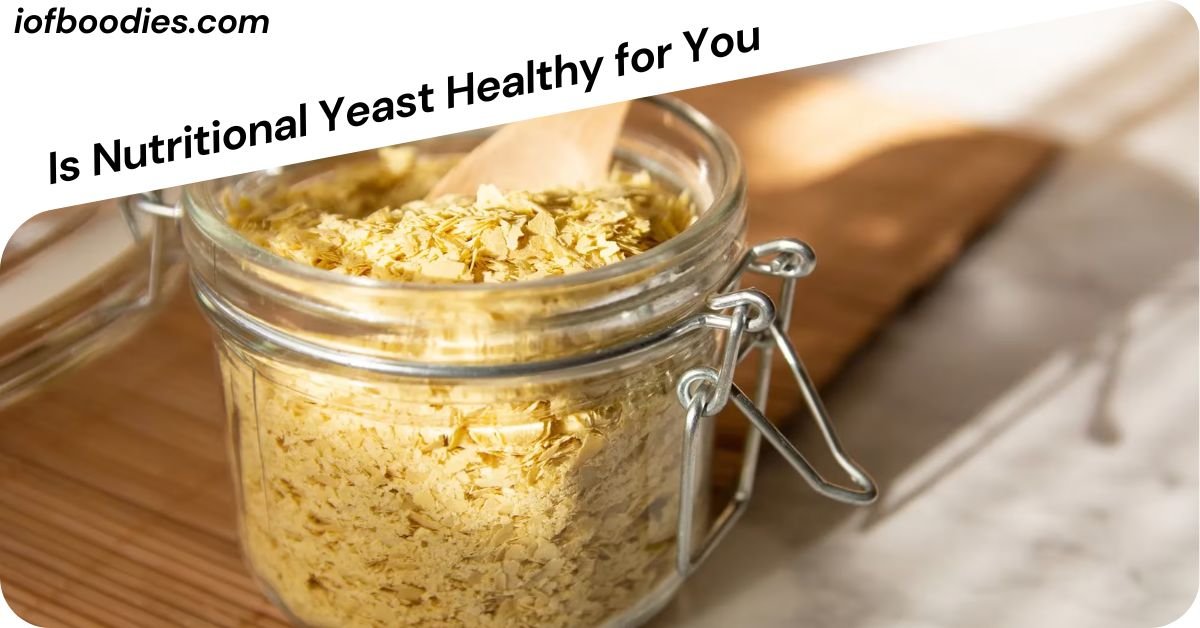
Is Nutritional Yeast Healthy for You? A Complete Science-Backed Guide for 2026
If you’ve spent any time looking at healthy recipes, vegan meals, or high-protein foods, you’ve probably heard about nutritional yeast. This golden-yellow flaky seasoning has become increasingly popular in recent years, especially among people who want healthier food choices.
But many people still ask the same question: is nutritional yeast healthy for you?
The short answer is yes. For most people, nutritional yeast can be a healthy addition to a balanced diet. It is packed with protein, vitamins, minerals, antioxidants, and fiber while being naturally low in calories, fat, and sugar.
However, like any food, nutritional yeast has both benefits and considerations. Understanding what it is, how it works in the body, and who should use it can help you make an informed decision.
This comprehensive guide explores everything you need to know about whether nutritional yeast is healthy for you, including its nutrition profile, benefits, potential risks, expert insights, and the latest research.
What Is Nutritional Yeast?
Nutritional yeast is a deactivated form of yeast that is grown specifically for food consumption.
Unlike baker’s yeast, which helps bread rise, nutritional yeast is inactive. This means it will not ferment, grow, or cause dough to rise.
After the yeast is grown, it is heated to deactivate it, harvested, washed, dried, and packaged as flakes, powder, or granules.
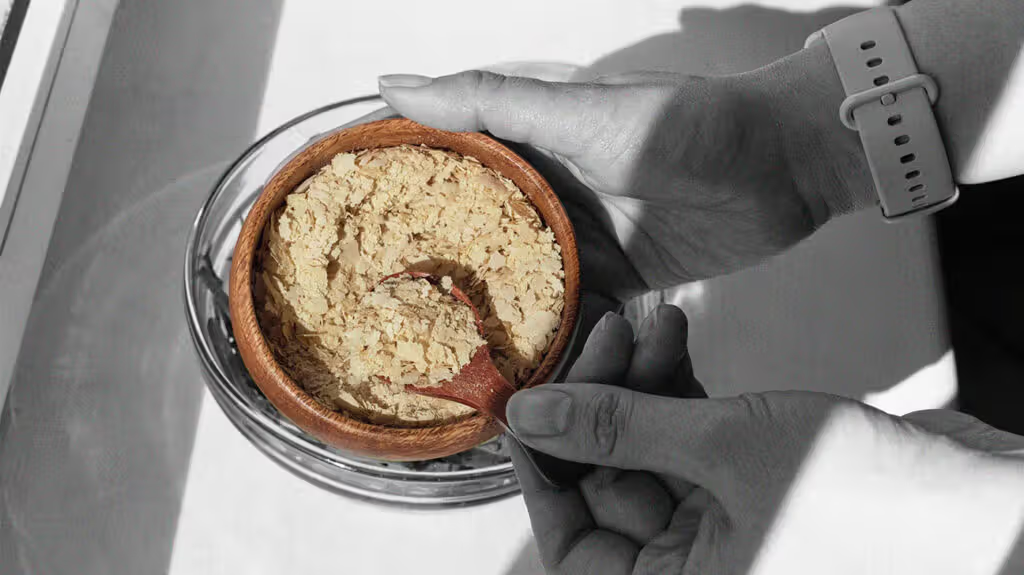
Many people describe its taste as:
- Cheesy
- Nutty
- Savory
- Umami-rich
Because of its flavor, nutritional yeast is commonly used as a cheese substitute in vegan and dairy-free diets.
Why Is Nutritional Yeast So Popular?
The popularity of nutritional yeast continues to grow because it offers several advantages:
- High in protein
- Rich in B vitamins
- Naturally vegan
- Gluten-free in most brands
- Low calorie
- Easy to use
- Long shelf life
- Versatile in recipes
Unlike many trendy health foods, nutritional yeast provides real nutritional value supported by scientific research.
Is Nutritional Yeast Healthy for You? The Quick Answer
Yes, nutritional yeast is healthy for most people.
It provides:
- Complete plant protein
- Essential B vitamins
- Dietary fiber
- Antioxidants
- Important minerals
Many nutrition experts consider it a nutrient-dense food because it delivers a large amount of nutrition with relatively few calories.
One of the biggest reasons people use nutritional yeast is its high vitamin B12 content when fortified. This makes it particularly valuable for vegans and vegetarians who may struggle to get enough B12 from food alone.
Also Read: Where Does Nutrition Absorption Take Place? A Complete Guide to How Your Body Absorbs Nutrients
Nutritional Yeast Nutrition Facts
The exact nutritional profile varies by brand, but a typical serving of two tablespoons contains approximately:
- Calories: 40-60
- Protein: 5-8 grams
- Carbohydrates: 3-5 grams
- Fiber: 2-4 grams
- Fat: Less than 1 gram
It also contains:
- Vitamin B1 (Thiamine)
- Vitamin B2 (Riboflavin)
- Vitamin B3 (Niacin)
- Vitamin B6
- Vitamin B12 (if fortified)
- Folate
- Zinc
- Selenium
- Potassium
- Magnesium
This impressive nutrient profile is one reason why the question “is nutritional yeast healthy for you” is often answered positively by dietitians and health professionals.
Top Health Benefits of Nutritional Yeast
Excellent Source of Complete Protein
Protein is essential for:
- Muscle growth
- Tissue repair
- Hormone production
- Immune function
Nutritional yeast contains all nine essential amino acids, making it a complete protein.
This is relatively rare among plant-based foods.
For vegans, vegetarians, and people trying to increase protein intake without eating more meat, nutritional yeast offers a convenient solution.
Supports Healthy Energy Levels
Many fortified nutritional yeast products contain significant amounts of B vitamins.
B vitamins help the body:
- Convert food into energy
- Support brain function
- Maintain healthy nerves
- Reduce fatigue
If you often feel tired, ensuring adequate B vitamin intake can support normal energy metabolism.
May Help Prevent Vitamin B12 Deficiency
Vitamin B12 is one of the most important nutrients for:
- Brain health
- Red blood cell production
- DNA synthesis
- Nervous system function
People following vegan diets face a higher risk of B12 deficiency because this vitamin is primarily found in animal products.
Fortified nutritional yeast can help bridge this nutritional gap.
This is one of the strongest reasons many experts recommend nutritional yeast to plant-based eaters.
Supports Immune Health
Nutritional yeast contains beta-glucans and other compounds that may help support immune function.
Research suggests beta-glucans can help activate certain immune cells, potentially improving the body’s ability to respond to infections.
While nutritional yeast is not a cure or treatment for illness, it may contribute to overall immune wellness as part of a healthy diet.
Rich in Antioxidants
Antioxidants help protect cells from damage caused by free radicals.
Nutritional yeast contains antioxidant compounds such as:
- Glutathione
- Selenium
- Certain peptides
These nutrients help support healthy aging and overall cellular health.
Promotes Digestive Health
Fiber plays an important role in digestive wellness.
Nutritional yeast provides dietary fiber that may help:
- Improve bowel regularity
- Feed beneficial gut bacteria
- Support digestive comfort
- Increase feelings of fullness
Although it should not be your primary fiber source, every bit contributes to overall digestive health.
May Support Heart Health
Some studies suggest beta-glucans found in yeast may contribute to healthy cholesterol levels.
Nutritional yeast is also naturally:
- Low in saturated fat
- Cholesterol-free
- Low in sodium (depending on the brand)
These characteristics make it a heart-friendly addition to many diets.
Helps With Weight Management
If you are trying to manage your weight, nutritional yeast offers several advantages:
- Low calorie
- High protein
- Good source of fiber
- Adds flavor without excess fat
Protein and fiber can increase satiety, helping you feel full for longer periods.
This may reduce unnecessary snacking throughout the day.
Is Nutritional Yeast Good for Vegans?
Absolutely.
In fact, nutritional yeast is often considered one of the most useful foods in a vegan diet.
Also Read: What Nutrition Is: A Complete Guide to Healthy Eating, Nutrients, and Better Living
Vegans commonly use it to:
- Add cheesy flavor
- Increase protein intake
- Boost B vitamin consumption
- Support B12 intake when fortified
Many vegan nutrition experts view nutritional yeast as a practical nutritional tool rather than simply a seasoning.
Is Nutritional Yeast Healthy for Non-Vegans?
Yes.
A common misconception is that nutritional yeast is only for vegans.
The reality is that anyone can benefit from its nutrients.
Non-vegans often use nutritional yeast because:
- It enhances flavor
- Adds protein
- Provides vitamins
- Supports overall nutrition
You do not need to follow a plant-based diet to enjoy its benefits.
Potential Downsides of Nutritional Yeast
Although nutritional yeast is healthy for most people, there are some situations where caution may be appropriate.
Digestive Discomfort
Some people experience:
- Bloating
- Gas
- Mild stomach discomfort
This is more likely when consuming large amounts suddenly.
Starting with small servings can help your digestive system adjust.
Migraine Sensitivity
Nutritional yeast naturally contains compounds called tyramine.
Some individuals who are prone to migraines may notice headaches after consuming tyramine-rich foods.
Not everyone is affected, but it is worth monitoring if you have migraine triggers.
Allergic Reactions
Although uncommon, yeast allergies can occur.
People with known yeast allergies should consult a healthcare professional before using nutritional yeast.
Excessive Vitamin Intake
Fortified nutritional yeast often contains very high levels of B vitamins.
While B vitamins are generally safe, consuming extremely large amounts from multiple supplements and fortified foods may be unnecessary.
Moderation remains important.
Fortified vs. Unfortified Nutritional Yeast
Fortified Nutritional Yeast
Additional vitamins are added during manufacturing.
Typically contains:
- Vitamin B12
- Extra B vitamins
Best choice for:
- Vegans
- Vegetarians
- People seeking additional B12
Unfortified Nutritional Yeast
Contains only naturally occurring nutrients.
Best choice for:
- People wanting a less processed option
- Individuals already meeting B12 requirements elsewhere
Reading product labels is important because nutrient content varies significantly between brands.
How Much Nutritional Yeast Should You Eat Daily?
There is no official daily requirement.
Most people consume:
- 1 to 3 tablespoons per day
This amount provides significant nutritional benefits without excessive intake.
For most healthy adults, this is considered a reasonable serving size.
Best Ways to Eat Nutritional Yeast
One reason nutritional yeast remains popular is its versatility.
You can sprinkle it on:
- Popcorn
- Pasta
- Rice
- Salads
- Vegetables
- Soups
You can also use it in:
- Vegan cheese sauces
- Smoothies
- Dips
- Casseroles
- Scrambled eggs
- Roasted potatoes
Many people describe it as a healthy flavor enhancer.
Does Nutritional Yeast Help Build Muscle?
It can contribute to muscle-building goals.
While nutritional yeast alone will not build muscle, its protein content supports:
- Muscle recovery
- Protein synthesis
- Strength-training nutrition
Athletes and fitness enthusiasts often use nutritional yeast as a simple way to boost protein intake.
Can Nutritional Yeast Improve Gut Health?
Emerging research suggests nutritional yeast may support gut health through its fiber and beta-glucan content.
Potential benefits include:
- Supporting beneficial gut bacteria
- Improving digestive regularity
- Promoting overall digestive wellness
However, more research is still needed to understand its full impact on the gut microbiome.
Is Nutritional Yeast Safe During Pregnancy?
Generally, nutritional yeast is considered safe during pregnancy when consumed as part of a balanced diet.
Its B vitamins and protein can be beneficial.
However, pregnant women should always discuss dietary supplements and significant diet changes with their healthcare provider.
Also Read: What Is the Nutritional Value of Corn? Complete Guide to Corn Nutrition, Health Benefits, and Uses
Can Children Eat Nutritional Yeast?
Yes.
Nutritional yeast can be included in children’s diets as a nutritious seasoning.
Many parents use it to add flavor and nutrients to:
- Vegetables
- Pasta
- Popcorn
- Homemade snacks
As with any food, portion sizes should be age appropriate.
What Does Current Research Say?
Recent nutrition research continues to support the role of nutrient-dense foods in promoting overall health.
Nutritional yeast stands out because it provides:
- High-quality protein
- B vitamins
- Fiber
- Antioxidants
Researchers continue investigating yeast-derived beta-glucans for their potential effects on immunity, heart health, and overall wellness.
Current evidence suggests nutritional yeast can be a valuable component of a healthy eating pattern.
Expert Analysis: Is Nutritional Yeast Worth Adding to Your Diet?
After reviewing the available evidence, nutritional yeast offers an impressive combination of nutrition, convenience, and flavor.
Unlike many health food trends that rely heavily on marketing, nutritional yeast provides measurable nutritional benefits.
Its greatest strengths include:
- High protein density
- Exceptional B vitamin content
- Potential immune-supporting compounds
- Low calorie profile
- Excellent versatility
For most people, adding nutritional yeast to meals is a simple and practical way to improve overall nutrient intake.
Final Verdict: Is Nutritional Yeast Healthy for You?
So, is nutritional yeast healthy for you?
For the vast majority of people, the answer is yes.
Nutritional yeast is a nutrient-rich food that delivers protein, fiber, vitamins, minerals, and antioxidants in a low-calorie package.
It is especially beneficial for:
- Vegans
- Vegetarians
- Active individuals
- Older adults
- People seeking healthier flavor alternatives
While a small number of individuals may experience sensitivity or digestive discomfort, most people can safely enjoy nutritional yeast as part of a balanced diet.
When used regularly and in moderation, nutritional yeast can be a smart addition to a healthy lifestyle.
Frequently Asked Questions (FAQs)
Can nutritional yeast be eaten every day?
Yes. Most healthy adults can enjoy nutritional yeast daily as part of a balanced diet. Consuming 1 to 3 tablespoons per day is common.
Does nutritional yeast taste exactly like cheese?
No. It has a cheesy, nutty, and savory flavor, but it is not identical to dairy cheese.
Is nutritional yeast considered a processed food?
It undergoes processing to deactivate and dry the yeast. However, it is generally considered a minimally processed food with significant nutritional value.
Does nutritional yeast contain sugar?
Most nutritional yeast products contain little to no sugar.
Can nutritional yeast replace protein powder?
Not entirely. While it provides protein, it is typically used as a seasoning rather than a concentrated protein supplement.
Does nutritional yeast need refrigeration?
No. Most products can be stored in a cool, dry place with the lid tightly closed.
Can nutritional yeast expire?
Yes. Like other packaged foods, nutritional yeast has a shelf life. Check the expiration date on the package for best quality.
Is nutritional yeast keto-friendly?
Generally yes. Nutritional yeast is relatively low in carbohydrates and can fit into many ketogenic eating plans.
Does cooking destroy the nutrients in nutritional yeast?
Some heat-sensitive vitamins may decrease slightly during cooking, but many nutrients remain intact.
Can nutritional yeast help people who do not eat vegetables?
No single food can replace vegetables. However, nutritional yeast can help improve overall nutrient intake when combined with a healthy diet.