What Is Nutrition? A Complete Guide to Understanding Nutrition, Health, and Healthy Living
If you have ever wondered, “what is nutrition?”, you are not alone. Millions of people search for this question every year because nutrition plays a major role in health, energy, growth, and overall well-being.
Nutrition is much more than simply eating food. It is the process by which your body takes in food, breaks it down into nutrients, absorbs those nutrients, and uses them to support life. Every cell, tissue, and organ in your body depends on proper nutrition to function correctly.
In simple terms, nutrition is the connection between food and health.
The foods you choose every day affect your energy levels, mood, concentration, immune system, weight, and risk of disease. Good nutrition helps your body perform at its best, while poor nutrition can lead to health problems over time.
Today, nutrition is more important than ever. Modern lifestyles often include processed foods, busy schedules, and less physical activity. Understanding nutrition can help people make smarter food choices and improve their quality of life.
This comprehensive guide explains what nutrition is, how it works, why it matters, and how you can use nutrition knowledge to support a healthier future.
What Is Nutrition?
Nutrition is the science that studies how food and nutrients affect the body’s health, growth, development, and daily functions.
Nutrition also refers to the process through which the body obtains and uses nutrients from food. These nutrients provide energy, support growth, repair tissues, regulate body functions, and help prevent illness.
When you eat food, your digestive system breaks it down into smaller substances called nutrients. These nutrients enter your bloodstream and are delivered throughout your body where they perform essential functions.
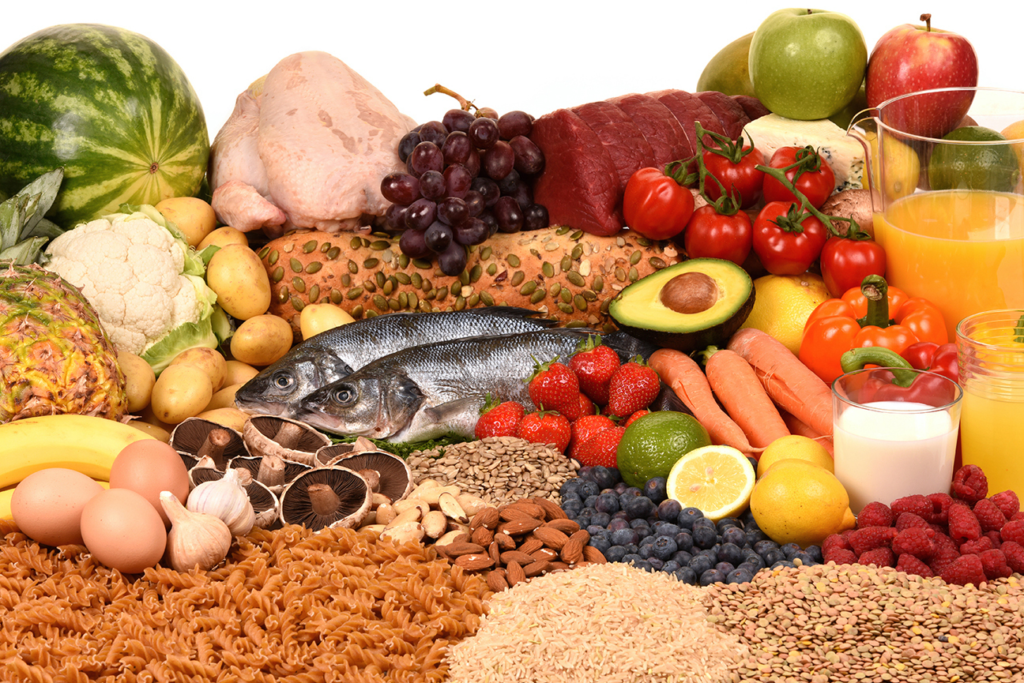
Without proper nutrition, the body cannot maintain health or perform everyday tasks efficiently.
A simple definition of nutrition is:
Nutrition is the process of consuming, absorbing, and using nutrients from food to support life and health.
Many people ask what nutrition is because they want to understand how food affects their body. The answer is simple: nutrition is the foundation of good health.
The Importance of Nutrition
Nutrition influences nearly every aspect of human health.
Good nutrition helps:
- Maintain healthy body weight
- Support brain function
- Strengthen the immune system
- Build and repair muscles
- Promote healthy bones
- Improve energy levels
- Support heart health
- Enhance mood and mental well-being
- Reduce disease risk
- Improve lifespan and quality of life
Poor nutrition can increase the risk of:
- Obesity
- Type 2 diabetes
- Heart disease
- High blood pressure
- Certain cancers
- Osteoporosis
- Nutrient deficiencies
- Fatigue
- Weakened immunity
Nutrition is not just about avoiding illness. It is about helping the body thrive and function at its highest potential.
How Nutrition Works in the Body
To fully understand what is nutrition, it helps to know what happens after you eat.
The process includes several steps:
Food Consumption
The nutrition process begins when you eat food or drink beverages.
Digestion
Your digestive system breaks food into smaller particles.
For example:
- Carbohydrates become glucose
- Proteins become amino acids
- Fats become fatty acids and glycerol
Absorption
Nutrients pass through the walls of the small intestine and enter the bloodstream.
Transportation
Blood carries nutrients to different parts of the body.
Utilization
Cells use nutrients to:
- Produce energy
- Build tissues
- Repair damage
- Support growth
- Regulate body functions
Waste Elimination
Unused materials leave the body through urine, sweat, and bowel movements.
This continuous process keeps the body functioning properly every day.
What Are Nutrients?
Nutrients are substances in food that the body needs to survive and function.
Nutrients can be divided into two main groups:
Macronutrients
Macronutrients are needed in large amounts.
They include:
- Carbohydrates
- Proteins
- Fats
Micronutrients
Micronutrients are needed in smaller amounts.
They include:
- Vitamins
- Minerals
Water is also considered an essential nutrient because life cannot exist without it.
Carbohydrates: The Body’s Main Energy Source
Carbohydrates provide the body with energy.
When consumed, carbohydrates are converted into glucose, which fuels cells throughout the body.
Healthy carbohydrate sources include:
- Fruits
- Vegetables
- Whole grains
- Beans
- Lentils
Examples of whole grains include:
- Oats
- Brown rice
- Whole wheat bread
- Quinoa
Complex carbohydrates provide longer-lasting energy compared to sugary foods and beverages.
Types of Carbohydrates
Simple Carbohydrates
These digest quickly and provide rapid energy.
Examples include:
- Sugar
- Candy
- Soft drinks
Complex Carbohydrates
These digest more slowly and provide sustained energy.
Examples include:
- Whole grains
- Vegetables
- Legumes
Choosing more complex carbohydrates supports better health and stable blood sugar levels.
Protein: The Building Block of Life
Protein is essential for growth, repair, and maintenance of body tissues.
Every cell in the body contains protein.
Protein supports:
- Muscle development
- Hormone production
- Enzyme function
- Immune health
- Tissue repair
Healthy protein sources include:
- Fish
- Poultry
- Eggs
- Dairy products
- Beans
- Lentils
- Nuts
- Seeds
Protein is especially important for children, athletes, and older adults.
Healthy Fats: Essential for Body Function
For many years, fat was viewed negatively. Today, experts understand that healthy fats are crucial for overall health.
Healthy fats help:
- Support brain function
- Protect organs
- Produce hormones
- Absorb vitamins
- Provide energy
Healthy fat sources include:
- Avocados
- Nuts
- Seeds
- Olive oil
- Fatty fish
Examples of fatty fish include:
- Salmon
- Sardines
- Mackerel
Not all fats are equal. Limiting trans fats and excessive saturated fats can support heart health.
Vitamins and Their Role in Nutrition
Vitamins are organic compounds that help regulate body processes.
Although required in small amounts, vitamins are essential for health.
Vitamin A
Supports:
- Vision
- Immunity
- Skin health
Vitamin C
Supports:
- Immune function
- Wound healing
- Collagen production
Vitamin D
Supports:
- Bone health
- Calcium absorption
Vitamin E
Acts as an antioxidant.
Vitamin K
Supports blood clotting and bone health.
A balanced diet usually provides sufficient vitamins for most people.
Minerals: Small Nutrients With Big Benefits
Minerals are inorganic substances required for many body functions.
Important minerals include:
Calcium
Supports:
- Bones
- Teeth
- Muscle function
Iron
Helps transport oxygen throughout the body.
Potassium
Supports:
- Heart function
- Muscle contractions
- Fluid balance
Magnesium
Supports hundreds of biochemical reactions in the body.
Mineral deficiencies can affect overall health and daily performance.
The Role of Water in Nutrition
Water is often overlooked, but it is one of the most important nutrients.
The human body is made up largely of water.
Water helps:
- Regulate body temperature
- Transport nutrients
- Remove waste
- Support digestion
- Lubricate joints
Even mild dehydration can lead to:
- Fatigue
- Headaches
- Reduced concentration
Drinking enough water each day supports overall health and wellness.
Types of Nutrition
Nutrition can be categorized in different ways.
Autotrophic Nutrition
Organisms make their own food.
Examples include plants.
Heterotrophic Nutrition
Organisms obtain food from other organisms.
Humans fall into this category.
Enteral Nutrition
Nutrition delivered through the digestive tract.
Parenteral Nutrition
Nutrition delivered directly into the bloodstream when digestion is not possible.
These forms of nutrition are important in healthcare settings.
Nutrition Throughout Different Life Stages
Nutritional needs change throughout life.
Infants
Require nutrients for rapid growth and development.
Breast milk or infant formula typically provides complete nutrition.
Children
Need balanced nutrition for:
- Growth
- Learning
- Immune function
Teenagers
Require increased nutrients due to rapid growth.
Adults
Need nutrition that supports:
- Work performance
- Energy
- Disease prevention
Older Adults
May need more:
- Protein
- Calcium
- Vitamin D
Proper nutrition remains important at every stage of life.
Nutrition and Disease Prevention
One of the most valuable benefits of nutrition is disease prevention.
Research consistently shows that healthy eating patterns can reduce the risk of chronic diseases.
Good nutrition may help prevent:
- Heart disease
- Stroke
- Diabetes
- Obesity
- Certain cancers
- Osteoporosis
A diet rich in fruits, vegetables, whole grains, lean proteins, and healthy fats supports long-term health.
Nutrition and Mental Health
Nutrition affects more than physical health.
Food also influences:
- Mood
- Memory
- Concentration
- Emotional well-being
Nutrient-rich foods support brain function.
Some nutrients linked to brain health include:
- Omega-3 fatty acids
- B vitamins
- Iron
- Magnesium
A healthy diet can contribute to better mental performance and emotional balance.
What Is the Nutritional Value of Corn?
Many people search for “what is the nutritional value of corn” because corn is one of the most widely consumed grains in the world.
Corn provides:
- Carbohydrates for energy
- Fiber for digestion
- Vitamin C
- Folate
- Magnesium
- Potassium
Whole corn products can be part of a healthy balanced diet.
Corn also contains antioxidants such as lutein and zeaxanthin, which may support eye health.
The nutritional value of corn depends on how it is prepared. Fresh corn generally offers more nutritional benefits than highly processed corn products.
What Is SNAP Supplemental Nutrition Assistance Program?
Another commonly searched question is “what is SNAP Supplemental Nutrition Assistance Program.”
The Supplemental Nutrition Assistance Program (SNAP) is a United States government program that helps eligible low-income individuals and families purchase nutritious food.
SNAP benefits can be used to buy many food items including:
- Fruits
- Vegetables
- Dairy products
- Bread
- Meat
- Poultry
- Fish
The goal of SNAP is to improve food security and support access to healthy nutrition for millions of Americans.
Food assistance programs play an important role in public health and nutrition education.
Common Nutrition Myths
Many nutrition myths continue to circulate online.
Myth 1: All Fat Is Bad
Healthy fats are essential for good health.
Myth 2: Carbohydrates Cause Weight Gain
Whole-food carbohydrates can be part of a healthy diet.
Myth 3: Skipping Meals Helps Weight Loss
Skipping meals may increase hunger and overeating later.
Myth 4: Supplements Can Replace Food
Whole foods provide a combination of nutrients that supplements cannot fully replicate.
Myth 5: Healthy Eating Is Expensive
Many affordable foods are highly nutritious, including beans, oats, eggs, and frozen vegetables.
Practical Tips for Better Nutrition
Improving nutrition does not require drastic changes.
Simple steps include:
- Eat more vegetables
- Choose whole grains
- Drink enough water
- Limit sugary beverages
- Include lean protein at meals
- Choose healthy fats
- Read food labels
- Practice portion control
- Plan meals ahead
- Reduce highly processed foods
Small improvements can produce meaningful health benefits over time.
The Future of Nutrition
Nutrition science continues to evolve.
Emerging areas include:
- Personalized nutrition
- Gut microbiome research
- Precision nutrition
- Nutritional genomics
- Digital health tracking
Scientists are learning that individuals may respond differently to foods based on genetics, lifestyle, and gut bacteria.
Future nutrition recommendations may become increasingly personalized.
Conclusion
Understanding what is nutrition is one of the most important steps toward better health. Nutrition is the process by which the body obtains, absorbs, and uses nutrients from food to support life, growth, energy, and overall well-being.
Good nutrition provides the foundation for physical health, mental performance, disease prevention, and longevity. Every meal is an opportunity to nourish your body and support your future health.
By focusing on balanced eating habits, nutrient-rich foods, adequate hydration, and informed food choices, individuals can enjoy better energy, improved wellness, and a higher quality of life.
Nutrition is not about perfection. It is about making consistent choices that help your body function at its best every day.
Frequently Asked Questions About What Is Nutrition
Is nutrition the same as dieting?
No. Nutrition focuses on providing the body with essential nutrients for health, while dieting usually refers to specific eating plans designed for weight management or other goals.
Why is nutrition important for children?
Nutrition supports growth, brain development, learning ability, strong bones, and immune function during childhood.
Can good nutrition improve energy levels?
Yes. Balanced meals containing carbohydrates, proteins, healthy fats, vitamins, and minerals help provide steady energy throughout the day.
How does nutrition affect the immune system?
Nutrients such as vitamin C, vitamin D, zinc, and protein help support immune defenses and overall health.
What happens if nutrition is poor?
Poor nutrition can contribute to nutrient deficiencies, fatigue, obesity, diabetes, heart disease, weakened immunity, and other health problems.
How much water should a person drink daily?
Needs vary by age, activity level, and climate, but many adults benefit from drinking several glasses of water throughout the day and increasing intake during physical activity.
Can nutrition influence sleep quality?
Yes. Balanced nutrition may support better sleep, while excessive caffeine, sugar, and highly processed foods can interfere with healthy sleep patterns.
Is healthy nutrition only for people with medical conditions?
No. Everyone benefits from good nutrition. Healthy eating supports disease prevention, energy, productivity, and overall quality of life.
What is the difference between food and nutrition?
Food is what people eat and drink. Nutrition is the process by which the body uses nutrients from that food to maintain health and function properly.
Can nutrition help people age healthier?
Yes. Good nutrition supports healthy aging by maintaining muscle mass, bone strength, cognitive function, and overall vitality throughout life.