What Does Nutritional Yeast Do? The Complete Guide to Benefits, Uses, Nutrition, and More
Nutritional yeast has become one of the most talked-about healthy food ingredients in the United States. It is popular with vegans, vegetarians, athletes, and anyone looking for a simple way to add extra nutrition to everyday meals. While it may look like small yellow flakes, nutritional yeast offers much more than its appearance suggests.
Many people searching online ask, “what does nutritional yeast do?” The answer is surprisingly broad. Nutritional yeast can improve the nutritional value of your meals, provide important vitamins, add a rich cheesy flavor without dairy, and support many aspects of overall health. It is also one of the easiest ingredients to use because it can be sprinkled onto almost any food.
Whether you are trying to eat healthier, increase your vitamin intake, or simply discover new ingredients, understanding what nutritional yeast does can help you make smarter food choices. This guide explains everything you need to know in simple language so you can confidently decide if nutritional yeast belongs in your kitchen.
What Is Nutritional Yeast?
Before answering the question “what does nutritional yeast do,” it helps to understand what it actually is.
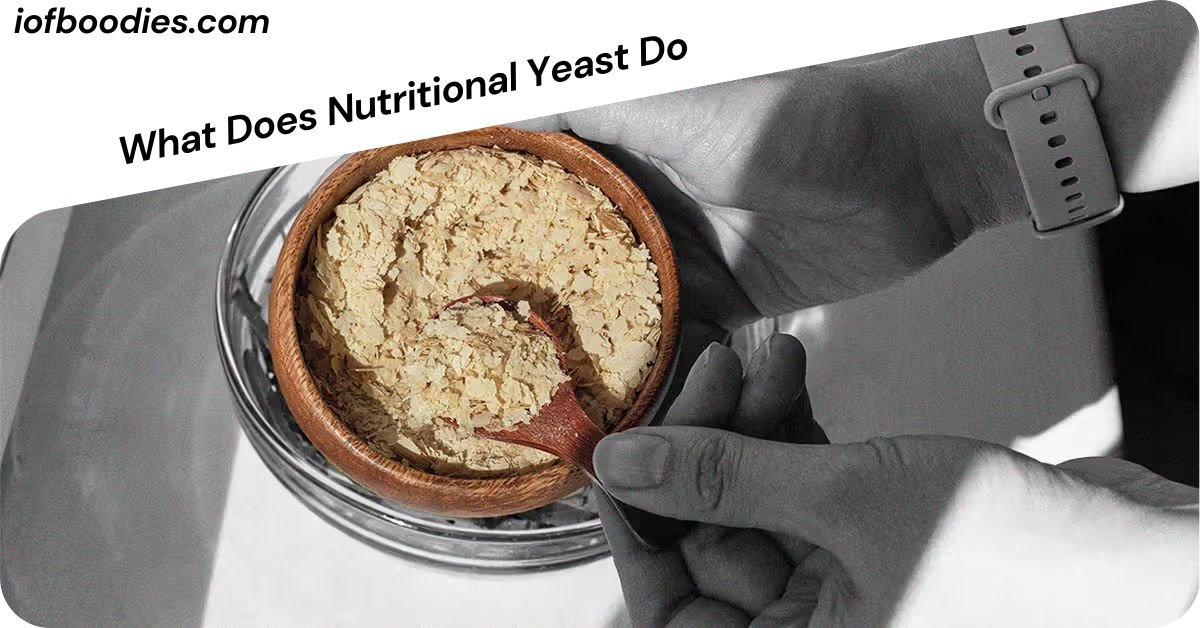
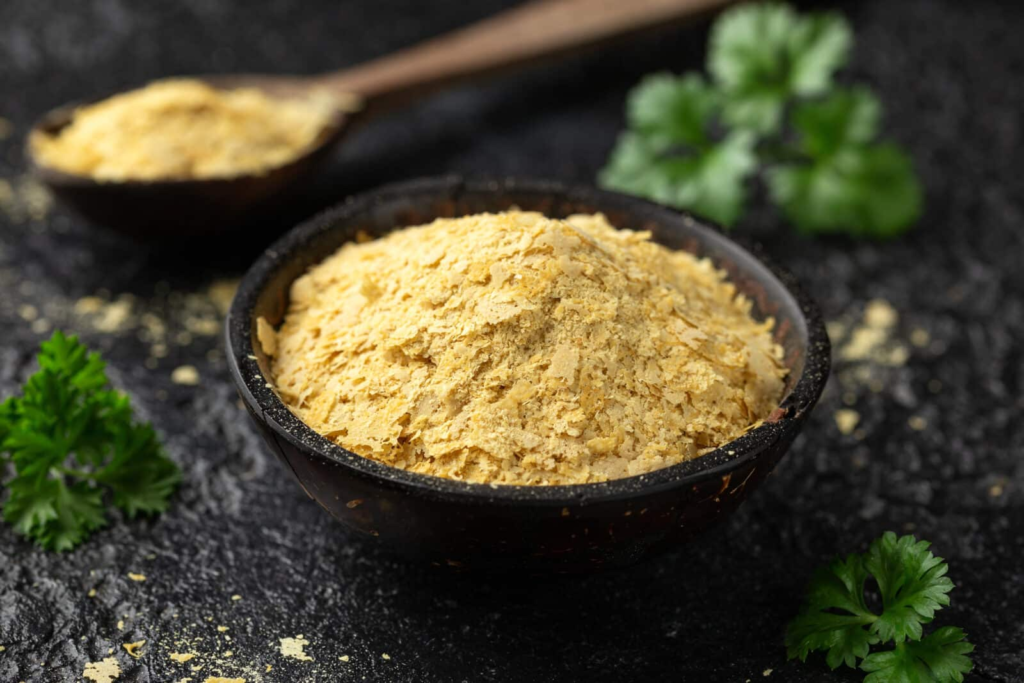
Nutritional yeast is a deactivated form of the yeast species Saccharomyces cerevisiae. Unlike baking yeast or brewer’s yeast, it cannot make bread rise because it has been heated and dried after growing. This process stops the yeast from becoming active while keeping its valuable nutrients.
It usually comes in:
- Yellow flakes
- Fine powder
- Granules
Its flavor is often described as:
- Cheesy
- Nutty
- Creamy
- Slightly savory
- Rich in umami
Because of this unique taste, nutritional yeast has become a favorite ingredient for people who want dairy-free cheese flavor.
What Does Nutritional Yeast Do?
The simple answer is that nutritional yeast improves both the nutrition and flavor of food.
Here are the biggest ways it helps:
- Adds high-quality plant protein
- Supplies many B vitamins
- Often provides vitamin B12 when fortified
- Gives foods a cheesy flavor without dairy
- Supports energy production
- Helps maintain healthy nerves
- Supports immune function
- Makes vegan meals more nutritious
- Increases the protein content of recipes
- Adds minerals like zinc and selenium
Unlike many supplements, nutritional yeast works as both a food ingredient and a nutritional boost.
What Does Nutritional Yeast Do for You?
Many people specifically ask, “what does nutritional yeast do for you?” The answer depends on your overall diet, but it offers several important benefits.
It Helps Meet Daily Vitamin Needs
Many brands are fortified with B vitamins, including:
- Vitamin B1
- Vitamin B2
- Vitamin B3
- Vitamin B5
- Vitamin B6
- Vitamin B9
- Vitamin B12
These vitamins help your body:
- Turn food into energy
- Support healthy brain function
- Produce red blood cells
- Maintain healthy skin
- Support normal nervous system function
People following vegan diets especially benefit from fortified nutritional yeast because vitamin B12 is naturally found mostly in animal foods.
It Provides Plant-Based Protein
Protein is essential for:
- Muscle repair
- Healthy tissues
- Hormone production
- Enzyme production
- Immune health
Just two tablespoons often provide around 5 to 8 grams of protein, depending on the brand.
That makes nutritional yeast an easy way to increase protein without adding meat or dairy.
It Supports Energy Production
Many people notice they feel more energetic when they consistently meet their B vitamin needs.
The vitamins found in nutritional yeast help convert carbohydrates, fats, and proteins into usable energy.
Also Read: Can Dogs Eat Nutritional Yeast? A Complete Guide for Dog Owners
While nutritional yeast is not a stimulant like caffeine, it supports your body’s natural energy production.
It Supports Healthy Nerves
Vitamin B12 plays a major role in nerve health.
Without enough B12, people may experience:
- Fatigue
- Tingling hands
- Memory problems
- Weakness
- Poor concentration
Fortified nutritional yeast can help support healthy B12 intake when included as part of a balanced diet.
It Supports Healthy Red Blood Cells
Vitamin B12 and folate help your body produce healthy red blood cells.
Healthy red blood cells transport oxygen throughout the body, helping tissues function properly.
It Helps Vegan and Vegetarian Diets
People who avoid animal products sometimes struggle to get enough:
- Vitamin B12
- Zinc
- Protein
Nutritional yeast helps fill some of these nutritional gaps while adding flavor to plant-based meals.
Nutritional Yeast Nutrition Facts
Although exact nutrition varies by manufacturer, two tablespoons generally contain:
- Calories: 40–60
- Protein: 5–8 grams
- Fat: Less than 1 gram
- Carbohydrates: 3–5 grams
- Fiber: 2–4 grams
- Sodium: Very low unless flavored
It may also provide:
- Vitamin B1
- Vitamin B2
- Vitamin B3
- Vitamin B5
- Vitamin B6
- Folate
- Vitamin B12 (fortified varieties)
- Zinc
- Selenium
- Chromium
This impressive nutrient profile explains why nutrition experts often recommend it as a pantry staple.
Why Fortified Nutritional Yeast Matters
Not every nutritional yeast product contains vitamin B12.
Some brands are naturally rich in nutrients but are not fortified.
Others have vitamin B12 added during manufacturing.
This difference matters because many people buy nutritional yeast specifically for B12.
Always read the nutrition label if vitamin B12 is important for your diet.
What Does Nutritional Yeast Do in a Recipe?
Another common question is, “what does nutritional yeast do in a recipe?”
The answer goes far beyond nutrition.
It improves flavor, texture, and richness without adding dairy.
Adds a Cheesy Flavor
This is the most famous benefit.
Many vegan cheese recipes rely on nutritional yeast because it creates a naturally cheesy taste without milk.
Boosts Umami Flavor
Umami is often called the fifth taste.
It gives foods a savory, satisfying flavor.
Nutritional yeast naturally contains compounds that make soups, sauces, vegetables, and grains taste richer.
Thickens Sauces
When blended into sauces, nutritional yeast creates a creamier consistency.
This works well in:
- Pasta sauces
- Vegan cheese sauces
- Gravy
- Cream soups
Improves Seasoning
Instead of using only salt, nutritional yeast adds complex flavor that makes food more satisfying.
Many people sprinkle it on vegetables instead of cheese.
Increases Nutrition
Unlike many seasonings, nutritional yeast contributes:
- Protein
- Vitamins
- Minerals
- Fiber
This makes recipes healthier without changing them dramatically.
Health Benefits of Nutritional Yeast
Supports Immune Health
Nutritional yeast contains beta-glucans.
These natural compounds have been studied for their ability to support healthy immune function.
Although nutritional yeast should not replace medical treatment, it may contribute to overall wellness as part of a healthy diet.
Also Read: AM Nutrition Services: The Complete Guide to Personalized Nutrition, Wellness, and Healthy Living
Supports Healthy Digestion
Its fiber content helps promote healthy digestion.
Fiber may help:
- Improve regular bowel movements
- Feed healthy gut bacteria
- Increase fullness after meals
A healthy digestive system contributes to overall well-being.
May Help Maintain Healthy Cholesterol
Some research suggests beta-glucans may support healthy cholesterol levels already within the normal range.
The effect is generally modest and works best alongside a healthy lifestyle.
Helps Maintain Healthy Blood Sugar
Because nutritional yeast contains protein and fiber, it may help make meals more balanced.
Protein and fiber can slow digestion, helping people feel full longer after eating.
This may support healthy blood sugar management when combined with an overall healthy eating plan.
Supports Muscle Recovery
Protein helps repair muscle tissue after exercise.
Athletes and active adults often add nutritional yeast to meals to increase daily protein intake.
While it is not a complete replacement for other protein sources, it can contribute meaningfully to overall protein intake.
Supports Healthy Skin
B vitamins play an important role in maintaining healthy skin.
Although nutritional yeast is not a skincare treatment, meeting vitamin needs supports the body’s natural skin renewal process.
Supports Healthy Hair
Hair growth depends on many nutrients, including protein and B vitamins.
A balanced diet that includes nutritional yeast may help provide nutrients involved in maintaining healthy hair.
Supports Brain Function
The nervous system relies on several B vitamins.
Adequate intake supports:
- Concentration
- Memory
- Mental performance
- Healthy nerve communication
These nutrients work together rather than providing instant improvements.
Who Can Benefit Most from Nutritional Yeast?
While almost anyone can enjoy nutritional yeast, some groups may benefit even more.
Vegans
Vegans often choose fortified nutritional yeast because it provides vitamin B12 and extra protein that can be harder to obtain from plant foods alone.
Vegetarians
Vegetarians can use nutritional yeast to increase their intake of protein and essential B vitamins while adding flavor to meals without relying on cheese.
Older Adults
As people age, meeting nutrient needs can become more challenging. Nutritional yeast offers concentrated nutrition in small servings, making it a convenient addition to meals.
Athletes and Active Individuals
People who exercise regularly need adequate protein and B vitamins to support energy metabolism and muscle recovery. Nutritional yeast can help complement a balanced, protein-rich diet.
Busy Families
Because it requires no cooking or preparation, nutritional yeast is an easy way to add extra nutrition to vegetables, pasta, soups, and snacks that the whole family can enjoy.
How to Use Nutritional Yeast Every Day
One reason nutritional yeast has become so popular is that it is incredibly easy to use. There is no cooking required, and you can add it to both hot and cold foods. A small amount goes a long way, making it an affordable ingredient that can last for weeks.
Here are some of the best ways to enjoy it.
Sprinkle It on Popcorn
Popcorn and nutritional yeast are one of the most popular combinations. Instead of adding butter or cheese powder, sprinkle nutritional yeast over freshly popped popcorn for a savory, cheesy flavor with extra nutrients.
Add It to Pasta
Mix nutritional yeast into cooked pasta with olive oil, garlic, herbs, and vegetables. It creates a rich taste similar to grated Parmesan cheese without using dairy.
Mix It into Soups
Add a tablespoon or two to soups just before serving. It blends well with:
- Tomato soup
- Potato soup
- Vegetable soup
- Lentil soup
- Broccoli soup
It adds depth of flavor while increasing the protein and vitamin content.
Stir It into Mashed Potatoes
Mix nutritional yeast into mashed potatoes for a creamy, cheesy taste. This works especially well with roasted garlic and fresh herbs.
Sprinkle on Vegetables
Roasted vegetables become even more flavorful with nutritional yeast.
Popular choices include:
- Broccoli
- Cauliflower
- Brussels sprouts
- Green beans
- Carrots
- Sweet potatoes
Blend into Smoothies
Some people add a small amount to smoothies for extra vitamins and protein. Because of its savory taste, it pairs best with vegetable-based smoothies rather than fruit-only smoothies.
Use in Salad Dressings
Blend nutritional yeast into homemade dressings for a creamy texture and extra flavor.
Make Vegan Cheese Sauce
One of the most common uses is creating dairy-free cheese sauce.
Basic ingredients include:
- Nutritional yeast
- Plant milk
- Cashews
- Garlic
- Lemon juice
- Spices
The result is a creamy sauce perfect for vegetables, pasta, nachos, or baked potatoes.
Add to Eggs
Even if you are not vegan, nutritional yeast tastes great on scrambled eggs or omelets.
Mix into Rice and Grains
Brown rice, quinoa, couscous, and farro all benefit from a sprinkle of nutritional yeast.
How Much Nutritional Yeast Should You Eat?
Most people eat between one and four tablespoons per day.
A typical serving is:
- 2 tablespoons
This amount usually provides:
- Around 40–60 calories
- Several grams of protein
- Significant amounts of B vitamins
- Fiber
- Trace minerals
There is no universal daily requirement because nutritional yeast is considered a food rather than a supplement.
If you are trying it for the first time, start with a small amount and gradually increase your intake.
Can You Eat Nutritional Yeast Every Day?
Yes. For most healthy adults, nutritional yeast can safely be enjoyed every day as part of a balanced diet.
Daily use may help people consistently increase their intake of:
- Protein
- Fiber
- B vitamins
- Vitamin B12 (fortified products)
The key is moderation. Nutritional yeast should complement a healthy eating pattern rather than replace whole foods like fruits, vegetables, beans, whole grains, nuts, seeds, and lean proteins.
Nutritional Yeast vs. Baking Yeast
Many people confuse these two products.
Here are the major differences.
Nutritional Yeast
- Deactivated
- Ready to eat
- Adds flavor
- Rich in vitamins
- Cannot make bread rise
Baking Yeast
- Active
- Used for bread making
- Produces carbon dioxide
- Helps dough rise
- Not intended as a seasoning
Although both come from similar yeast species, they serve completely different purposes.
Nutritional Yeast vs. Brewer’s Yeast
These products also differ.
Nutritional Yeast
- Mild flavor
- Cheesy taste
- Made for cooking
- Often fortified with vitamins
Brewer’s Yeast
- Bitter flavor
- Often used as a supplement
- May contain different nutrients
- Less commonly used as a food seasoning
Most recipes calling for nutritional yeast should not be substituted with brewer’s yeast because the taste is very different.
Who Should Be Careful with Nutritional Yeast?
Although nutritional yeast is safe for most people, a few individuals should use caution.
People with Yeast Allergies
Anyone with a known yeast allergy should avoid nutritional yeast unless advised otherwise by a healthcare professional.
People with Certain Digestive Conditions
Because nutritional yeast contains fiber, eating large amounts suddenly may cause:
- Gas
- Bloating
- Mild digestive discomfort
Starting with a smaller serving often helps.
People Sensitive to Tyramine
Some yeast products naturally contain tyramine.
Individuals taking certain medications, especially some older antidepressants known as MAO inhibitors, should speak with their healthcare provider before regularly consuming nutritional yeast.
People with Gout
Nutritional yeast contains natural purines.
Most healthy people do not need to worry about this, but individuals with gout may want to discuss appropriate intake with their healthcare provider.
Can Nutritional Yeast Cause Side Effects?
Most people experience no problems.
However, consuming very large amounts may occasionally cause:
- Mild bloating
- Gas
- Headaches in sensitive individuals
- Temporary stomach discomfort
These effects are uncommon and usually improve by reducing the serving size.
Is Nutritional Yeast Good for Weight Loss?
Nutritional yeast is not a weight-loss food by itself.
However, it may support healthy weight management because it:
- Is relatively low in calories
- Contains protein
- Provides fiber
- Adds flavor without high-fat cheese
- Helps create satisfying meals
Replacing high-calorie toppings with nutritional yeast may reduce overall calorie intake while maintaining good flavor.
Is Nutritional Yeast Keto Friendly?
Many people following lower-carbohydrate eating plans include nutritional yeast.
Also Read: What Does Nutritional Yeast Taste Like? A Complete Guide to Flavor, Uses, Benefits, and Cooking Tips
It generally contains:
- Low sugar
- Moderate carbohydrates
- High protein
- Fiber
The exact carbohydrate content varies by brand, so always check the nutrition label if you follow a strict ketogenic diet.
Can Children Eat Nutritional Yeast?
Yes, in moderation, nutritional yeast can be part of a healthy diet for children.
Parents often sprinkle it on:
- Pasta
- Popcorn (for older children)
- Vegetables
- Rice
- Eggs
As with any food, variety is important. Nutritional yeast should not replace a balanced diet that includes many different nutritious foods.
How to Choose the Best Nutritional Yeast
Not all products are exactly the same.
When shopping, consider the following.
Look for Fortified Products
If you want vitamin B12, choose a fortified variety.
Check the Ingredient List
Many quality products contain only:
- Nutritional yeast
- Added vitamins (if fortified)
Avoid products with unnecessary additives if you prefer a simpler ingredient list.
Compare Nutrition Labels
Protein, fiber, sodium, and vitamin levels may vary from one brand to another.
Reading labels helps you choose the product that best fits your nutritional goals.
Buy from Trusted Brands
Established companies usually provide detailed nutrition information, quality testing, and consistent flavor.
How to Store Nutritional Yeast
Proper storage helps maintain freshness.
Keep it:
- In a sealed container
- Away from moisture
- In a cool, dry place
- Away from direct sunlight
Some people refrigerate nutritional yeast after opening, especially in warm climates.
Always check the package for storage recommendations.
Common Myths About Nutritional Yeast
Myth 1: It Causes Yeast Infections
False.
Nutritional yeast is inactive. It does not grow inside the body or cause yeast infections.
Myth 2: It Is the Same as Cheese
False.
Although it has a cheesy flavor, nutritional yeast contains no dairy.
Myth 3: It Can Replace Every Vitamin Supplement
False.
While nutritional yeast is nutritious, it should not automatically replace supplements prescribed by a healthcare professional.
Myth 4: Only Vegans Can Eat It
False.
Many people who eat meat also enjoy nutritional yeast because of its flavor and nutritional value.
Myth 5: More Is Always Better
False.
Eating extremely large amounts offers little additional benefit and may increase the chance of digestive discomfort.
Expert Tips for Getting the Most from Nutritional Yeast
To maximize the benefits:
- Use it consistently instead of occasionally.
- Pair it with vegetables and whole grains for balanced meals.
- Choose fortified products if vitamin B12 is important to your diet.
- Experiment with different recipes to find your favorite uses.
- Store it properly to preserve freshness.
- Read nutrition labels because brands differ.
Frequently Asked Questions
Can nutritional yeast replace cheese completely?
It can replace cheese flavor in many recipes, especially for people avoiding dairy, but it does not melt or stretch like traditional cheese.
Does nutritional yeast have a strong taste?
It has a mild, savory, nutty, and cheesy flavor that blends well with many foods without overpowering them.
Can nutritional yeast be eaten without cooking?
Yes. It is already deactivated, so it is safe to sprinkle directly onto foods or mix into recipes without additional cooking.
Does nutritional yeast expire?
Yes. Like other pantry foods, it has a best-by date. Proper storage helps preserve its flavor and nutritional quality.
Can nutritional yeast be frozen?
Freezing is generally unnecessary. A cool, dry pantry or refrigerator is usually enough to keep it fresh.
Can I bake with nutritional yeast?
Yes. It can be added to bread, crackers, biscuits, and savory baked goods for extra flavor and nutrition, although it will not make dough rise.
Is nutritional yeast gluten-free?
Most nutritional yeast products are naturally gluten-free, but always check the packaging to ensure there has been no cross-contamination during manufacturing.
Can nutritional yeast be used in meal prep?
Absolutely. It stores well and can be added to prepared meals throughout the week, making it a convenient ingredient for busy households.
Does nutritional yeast change the texture of food?
In small amounts, it has very little effect on texture. In sauces and soups, it can add a slightly creamier consistency.
Can nutritional yeast be mixed with spices?
Yes. Many people combine it with garlic powder, onion powder, paprika, black pepper, and dried herbs to create flavorful homemade seasoning blends.
Conclusion
If you have ever wondered, what does nutritional yeast do, the answer is much more impressive than simply adding a cheesy flavor to food. This versatile ingredient enhances both taste and nutrition, making it an excellent addition to a wide variety of meals.
For those asking what does nutritional yeast do for you, it provides plant-based protein, fiber, important B vitamins, and—when fortified—vitamin B12, which is especially valuable for people following vegetarian or vegan diets. It also supports energy production, healthy nerve function, and overall wellness as part of a balanced eating plan.
When it comes to what does nutritional yeast do in a recipe, it delivers rich umami flavor, adds creaminess to sauces, boosts nutritional value, and serves as a convenient dairy-free alternative to grated cheese. From popcorn and pasta to soups, vegetables, and homemade dressings, nutritional yeast fits naturally into countless everyday dishes.
While it is not a miracle food, nutritional yeast stands out because it combines excellent nutrition with exceptional versatility. Used in moderation alongside a diet rich in whole foods, it can help make healthy eating both easier and more enjoyable. Whether your goal is better nutrition, more flavorful meals, or expanding your plant-based cooking options, nutritional yeast is a simple pantry staple that offers lasting value.