What Is Parenteral Nutrition? The Complete Guide to Types, Benefits, Risks, and How It Works
Parenteral nutrition (PN) is a life-saving medical treatment that provides essential nutrients directly into the bloodstream when a person cannot get enough nutrition through the digestive system. It helps patients who cannot eat, digest, or absorb food normally because of illness, injury, or certain medical conditions.
If you have ever wondered, “what is parenteral nutrition”, the simple answer is that it is intravenous (IV) nutrition. Instead of food traveling through the stomach and intestines, nutrients are delivered through a vein, allowing the body to receive everything it needs to produce energy, repair tissues, and maintain healthy organ function.
Parenteral nutrition has transformed healthcare by helping premature babies grow, supporting cancer patients during treatment, aiding people recovering from major surgeries, and providing long-term nutrition for individuals with severe intestinal disorders.
Today, modern parenteral nutrition is safer, more personalized, and carefully monitored than ever before. Healthcare teams use advanced technology to calculate each patient’s nutritional needs based on age, weight, medical condition, and activity level.
This complete guide explains everything you need to know about what is parenteral nutrition, including how it works, who needs it, what nutrients it contains, its benefits, risks, and the latest developments in nutritional support.
What Is Parenteral Nutrition?
The answer to “what is parenteral nutrition” is straightforward.
Parenteral nutrition is a medical method of delivering nutrition directly into the bloodstream through a vein instead of using the digestive tract.
Normally, food passes through the mouth, stomach, and intestines, where nutrients are absorbed into the body. However, some people have digestive systems that cannot absorb enough nutrients or cannot be used safely. In these situations, doctors prescribe parenteral nutrition to ensure the body receives the nutrition it needs.
PN is commonly used when:
- The digestive system is not working properly.
- The intestines need time to heal.
- Severe digestive diseases prevent nutrient absorption.
- Surgery temporarily prevents eating.
- Nutrition through feeding tubes is not possible or insufficient.
The goal of parenteral nutrition is to prevent malnutrition, maintain body weight, promote healing, and improve overall health.
How Does Parenteral Nutrition Work?
Unlike normal eating, parenteral nutrition bypasses the entire digestive system.
Instead of nutrients entering through the stomach and intestines, a sterile nutrient solution flows directly into a vein through an intravenous catheter.
Once inside the bloodstream, the nutrients travel throughout the body and are immediately available for cells to use.
Healthcare providers carefully calculate every nutrient included in the solution. The formula is adjusted regularly based on laboratory tests, hydration status, weight changes, and overall health.
The infusion may last several hours or continue throughout the day depending on the patient’s condition.
Some patients receive nutrition in a hospital, while others safely administer it at home after receiving proper training.
Why Do Some Patients Need Parenteral Nutrition?
Many illnesses interfere with the body’s ability to digest or absorb nutrients.
Without adequate nutrition, patients can experience:
- Weight loss
- Muscle wasting
- Weak immune function
- Delayed wound healing
- Fatigue
- Increased infection risk
- Organ dysfunction
Parenteral nutrition helps prevent these complications by supplying complete nutrition even when eating normally is impossible.
Doctors recommend PN only when the digestive tract cannot be used safely or when tube feeding cannot provide enough nutrition.
This approach helps maintain strength while treating the underlying illness.
Who May Benefit From Parenteral Nutrition?
Many different patient groups may require parenteral nutrition.
These include:
People With Severe Digestive Diseases
Certain gastrointestinal disorders severely reduce nutrient absorption.
Examples include:
- Crohn’s disease
- Severe ulcerative colitis
- Short bowel syndrome
- Intestinal obstruction
- Chronic intestinal failure
These conditions may prevent enough nutrients from entering the bloodstream naturally.
Cancer Patients
Cancer treatments sometimes make eating impossible.
Radiation, chemotherapy, or tumors affecting the digestive tract can interfere with swallowing or digestion.
Parenteral nutrition may temporarily support these patients until normal eating becomes possible again.
Also Read: What Does Nutritional Yeast Do? The Complete Guide to Benefits, Uses, Nutrition, and More
Surgical Patients
Major abdominal surgery sometimes requires the intestines to rest while healing.
During recovery, PN provides complete nutrition without forcing food through the digestive tract.
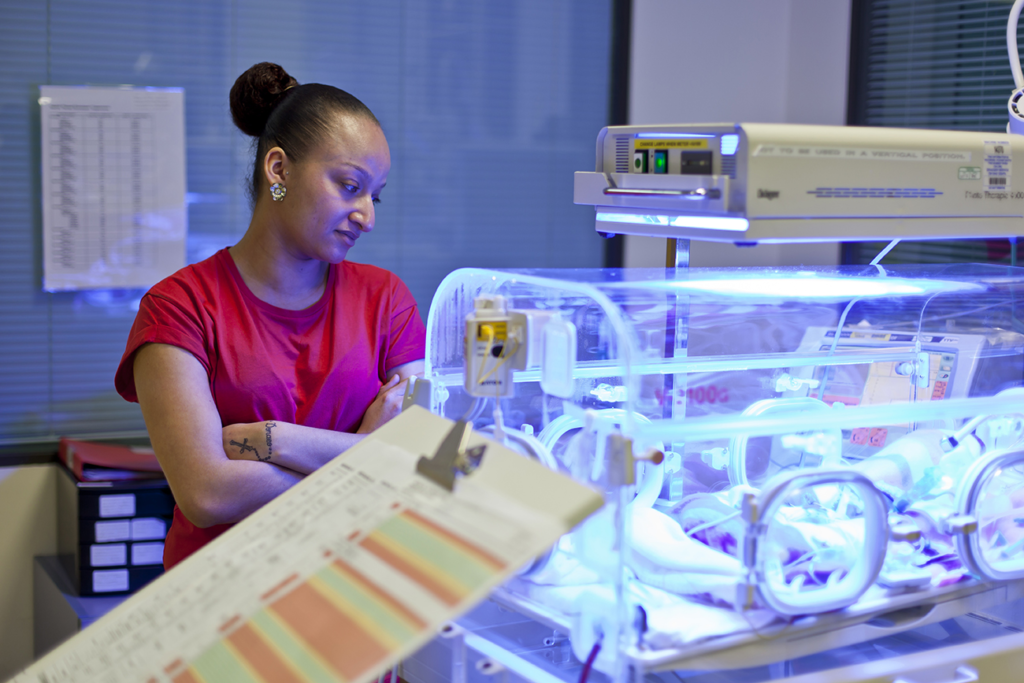
Premature Infants
Premature babies often have immature digestive systems.
Parenteral nutrition supplies the nutrients necessary for healthy growth until feeding by mouth or tube becomes possible.
Trauma Patients
Patients with severe burns, injuries, or critical illness often have dramatically increased nutritional needs.
PN helps provide enough calories and protein during recovery.
What Is in Parenteral Nutrition?
Many people ask, “what is in parenteral nutrition?”
Parenteral nutrition contains a carefully balanced mixture of nutrients that replaces what people normally obtain from food.
Each formula is customized for the patient’s specific needs.
Carbohydrates
Glucose serves as the body’s primary energy source.
It fuels:
- Brain function
- Muscles
- Internal organs
- Cell repair
Glucose typically provides most of the calories in parenteral nutrition.
Proteins
Protein is supplied as amino acids.
These building blocks help:
- Repair tissues
- Build muscles
- Support immunity
- Produce enzymes
- Heal wounds
Patients recovering from surgery or illness often require extra protein.
Fats
Fat emulsions provide concentrated calories.
Healthy fats also support:
- Hormone production
- Brain health
- Cell membranes
- Vitamin absorption
Modern lipid emulsions are carefully selected to reduce complications.
Vitamins
Parenteral nutrition contains essential vitamins including:
- Vitamin A
- Vitamin C
- Vitamin D
- Vitamin E
- Vitamin K
- B-complex vitamins
These vitamins help maintain normal body functions.
Minerals
Minerals support hundreds of biological processes.
Examples include:
- Calcium
- Magnesium
- Potassium
- Sodium
- Phosphorus
- Zinc
- Copper
- Selenium
Laboratory testing helps determine the correct amounts.
Fluids
Water maintains hydration and supports circulation.
Fluid volume is customized according to each patient’s medical condition.
Types of Parenteral Nutrition
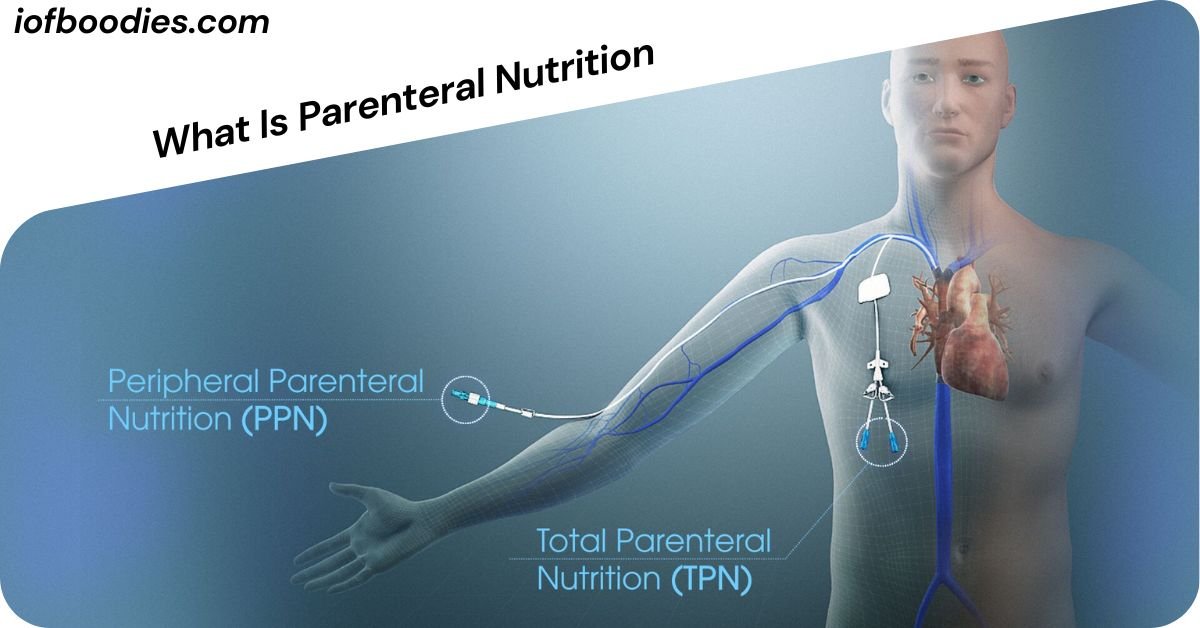
Parenteral nutrition is generally divided into two main categories depending on how much nutrition is provided.
These are total parenteral nutrition and partial parenteral nutrition.
Each serves a different purpose.
What Is Total Parenteral Nutrition?
One of the most common questions patients ask is, “what is total parenteral nutrition?”
Total parenteral nutrition (TPN) provides all of a person’s daily nutritional needs through an intravenous line.
The patient receives:
- Calories
- Protein
- Fat
- Vitamins
- Minerals
- Fluids
- Electrolytes
No nutrition from food or tube feeding is necessary while receiving full TPN.
TPN is commonly used when the digestive system cannot be used for an extended period.
Examples include:
- Complete bowel obstruction
- Severe intestinal failure
- Extensive bowel surgery
- Severe pancreatitis
- Short bowel syndrome
Doctors monitor patients closely to ensure they receive the right amount of nutrition.
Partial Parenteral Nutrition (PPN)
Partial parenteral nutrition provides only part of a patient’s nutritional needs.
The remaining calories come from:
- Eating regular food
- Liquid nutrition
- Tube feeding
PPN is often used when patients can digest some food but not enough to meet their nutritional requirements.
It may be prescribed for a short period during recovery from illness or surgery.
Compared with TPN, PPN usually contains lower concentrations of nutrients and is often administered through a peripheral vein.
Benefits of Parenteral Nutrition
Parenteral nutrition offers many important benefits for patients who cannot obtain enough nutrients through normal eating.
Prevents Malnutrition
One of the greatest advantages is preventing severe nutritional deficiencies.
Proper nutrition helps maintain body weight, muscle mass, and organ function.
Supports Healing
Protein and calories help repair damaged tissues after surgery, injury, or illness.
Better nutrition often leads to faster recovery.
Improves Energy
Adequate nutrition helps reduce fatigue and weakness caused by malnutrition.
Patients often regain strength more quickly.
Supports Immune Function
The immune system requires vitamins, minerals, and protein to fight infections.
PN helps maintain immune health during serious illness.
Helps Children Grow
Infants and children with intestinal disorders require proper nutrition for healthy growth and development.
PN helps support normal physical development until regular feeding becomes possible.
Improves Quality of Life
Many patients experience improved daily functioning because they receive the nutrients their bodies need.
For some people with chronic intestinal diseases, parenteral nutrition allows them to live active and productive lives.
Risks and Possible Complications
Although parenteral nutrition is highly effective, it also carries potential risks.
Healthcare providers monitor patients carefully to reduce these complications.
Infection
Because PN requires a catheter placed in a vein, infections can occur if sterile techniques are not followed.
Proper catheter care significantly lowers this risk.
Blood Sugar Changes
The glucose in PN can affect blood sugar levels.
Patients with diabetes or critical illness require close monitoring.
Liver Problems
Long-term use may sometimes affect liver function.
Modern nutrition formulas and careful monitoring help reduce this possibility.
Electrolyte Imbalances
Minerals such as potassium, sodium, magnesium, and phosphorus must remain balanced.
Regular blood tests allow doctors to adjust the formula when needed.
Catheter Problems
Possible issues include:
- Blockage
- Blood clots
- Catheter displacement
- Mechanical damage
Proper catheter care helps prevent these complications.
Nutrient Imbalances
Every patient has unique nutritional requirements.
Too much or too little of certain nutrients may cause health problems if not monitored regularly.
Healthcare providers adjust PN formulas based on ongoing laboratory results, ensuring patients receive the safest and most effective nutritional support.
What Is Home Parenteral Nutrition?
Another common question people ask is, “what is home parenteral nutrition?”
Home parenteral nutrition (HPN) is a treatment that allows patients to receive parenteral nutrition safely in their own homes instead of staying in the hospital. It is designed for people who need long-term nutritional support but are medically stable enough to manage their treatment outside a healthcare facility.
Home parenteral nutrition has improved the lives of thousands of people by allowing them to return to work, attend school, travel, and spend more time with family while still receiving the nutrition they need.
Before beginning home therapy, patients and caregivers receive detailed training from healthcare professionals. This training covers:
- How to prepare the equipment
- How to connect and disconnect the IV line
- How to keep the catheter clean
- How to recognize signs of infection
- How to store nutrition bags properly
- What to do in an emergency
Many patients receive their nutrition overnight while they sleep. This schedule allows them to continue their normal daily activities with minimal interruption.
How Is Parenteral Nutrition Administered?
Parenteral nutrition is given through an intravenous catheter placed into a vein. The type of catheter depends on how long the patient will need treatment.
Peripheral IV Catheter
A peripheral IV is placed in a vein in the arm or hand.
It is usually used for short-term partial parenteral nutrition because smaller veins cannot safely handle highly concentrated nutrient solutions for long periods.
Central Venous Catheter
Patients who need total parenteral nutrition often require a central venous catheter.
This catheter is inserted into a large vein that leads directly to the heart, allowing concentrated nutrients to be delivered safely.
Common types include:
- Peripherally inserted central catheter (PICC)
- Tunneled central venous catheter
- Implanted port
The healthcare team determines which option is most appropriate based on the patient’s condition and expected treatment duration.
How Long Do Patients Stay on Parenteral Nutrition?
The length of treatment varies widely.
Some people need parenteral nutrition for only a few days after surgery, while others require it for months or even years.
Short-term use may include:
- Recovery after abdominal surgery
- Severe infections
- Temporary bowel rest
Long-term use may be necessary for:
- Chronic intestinal failure
- Short bowel syndrome
- Certain inherited digestive disorders
- Severe Crohn’s disease
Some patients eventually transition back to eating normally, while others continue receiving parenteral nutrition for life.
Monitoring During Parenteral Nutrition
Successful parenteral nutrition depends on careful monitoring.
Doctors, nurses, pharmacists, and dietitians work together to make sure each patient receives the correct balance of nutrients.
Monitoring usually includes:
Regular Blood Tests
Blood tests help evaluate:
- Blood sugar
- Electrolytes
- Liver function
- Kidney function
- Vitamin levels
- Mineral levels
- Protein status
These results help healthcare providers adjust the nutrition formula as needed.
Weight Monitoring
Body weight is checked regularly to ensure patients are receiving enough calories without excessive fluid retention.
Unexpected weight changes may indicate that adjustments are needed.
Hydration Assessment
Doctors monitor hydration by checking:
- Urine output
- Fluid intake
- Swelling
- Blood pressure
Maintaining the right fluid balance is an important part of treatment.
Catheter Inspection
The catheter site should be examined regularly for:
- Redness
- Swelling
- Pain
- Drainage
- Fever
Early detection of problems helps prevent serious infections.
Can Patients Eat While Receiving Parenteral Nutrition?
Many people assume that patients receiving PN cannot eat at all, but that is not always true.
Whether someone can eat depends on the reason they need parenteral nutrition.
Some patients:
- Eat regular meals.
- Eat small amounts of food.
- Receive tube feeding along with PN.
- Cannot eat anything by mouth.
Whenever the digestive system can safely be used, doctors usually encourage some level of enteral feeding because it helps maintain intestinal health.
Parenteral nutrition is often used to supplement oral intake rather than replace it completely.
Parenteral Nutrition vs. Enteral Nutrition
Although both treatments provide nutritional support, they work very differently.
Enteral nutrition delivers nutrients through the digestive system, usually by mouth or through a feeding tube placed into the stomach or small intestine.
Parenteral nutrition completely bypasses the digestive system and delivers nutrients directly into the bloodstream.
In general, healthcare providers prefer enteral nutrition whenever the digestive tract is working because it is more natural, less expensive, and carries fewer risks.
Parenteral nutrition becomes the preferred option only when the digestive system cannot absorb enough nutrients or cannot be used safely.
Who Prescribes Parenteral Nutrition?
Parenteral nutrition is managed by a multidisciplinary healthcare team.
This team may include:
- Physicians
- Registered dietitians
- Clinical pharmacists
- Specialized nurses
- Gastroenterologists
- Surgeons
- Endocrinologists
Each professional contributes expertise to ensure the patient receives safe and effective nutritional care.
Lifestyle Tips for Patients Receiving Parenteral Nutrition
Living with parenteral nutrition requires adjustments, but many people continue to enjoy active and fulfilling lives.
Helpful habits include:
- Follow the infusion schedule exactly.
- Wash hands thoroughly before handling equipment.
- Store nutrition bags according to instructions.
- Inspect the catheter daily.
- Attend all follow-up appointments.
- Keep emergency contact numbers available.
- Report fever or unusual symptoms immediately.
- Maintain light physical activity if approved by your doctor.
Consistency is one of the most important factors for successful long-term treatment.
Also Read: Do Cucumbers Have Any Nutritional Value? A Complete Guide to the Health Benefits of Cucumbers
Traveling With Home Parenteral Nutrition
Travel is possible for many people receiving home parenteral nutrition with proper planning.
Patients should:
- Pack extra supplies.
- Keep nutrition bags at the recommended temperature.
- Carry medical documentation.
- Know where nearby hospitals are located.
- Arrange supply deliveries for extended trips if needed.
Many home infusion companies help patients coordinate travel plans.
Latest Advances in Parenteral Nutrition
Parenteral nutrition continues to improve through ongoing medical research and innovation.
Some of the latest developments include:
More Personalized Nutrition
Healthcare providers now use advanced calculations to create individualized nutrient formulas based on each patient’s health status and laboratory results.
This personalized approach improves outcomes and reduces complications.
Improved Lipid Emulsions
Newer fat formulations contain healthier blends of oils that may lower inflammation and reduce the risk of liver problems during long-term treatment.
Better Infection Prevention
Modern catheter materials, improved dressing techniques, and standardized care protocols have significantly reduced catheter-related bloodstream infections.
Smart Infusion Pumps
Today’s infusion pumps offer advanced safety features, including alarms for blockages, air detection, incorrect flow rates, and low battery levels.
These improvements help make home parenteral nutrition safer than ever before.
Telehealth Monitoring
Many healthcare providers now use virtual appointments to monitor patients remotely.
Telehealth allows doctors and dietitians to review laboratory results, answer questions, and adjust treatment plans without requiring frequent hospital visits.
Expert Insights: Why Individualized Care Matters
One of the biggest misconceptions about parenteral nutrition is that every patient receives the same formula.
In reality, no two nutrition plans are exactly alike.
Healthcare providers carefully calculate calorie needs based on factors such as:
- Age
- Height
- Weight
- Medical condition
- Activity level
- Organ function
- Healing requirements
- Laboratory results
This individualized approach helps optimize recovery while minimizing complications.
Another important point is that parenteral nutrition is not simply “liquid food.” It is a highly specialized medical therapy designed to replace or supplement normal nutrition with precision.
As research continues, experts expect even more personalized treatment strategies that improve patient outcomes while reducing long-term risks.
Frequently Asked Questions
Can parenteral nutrition completely replace eating?
Yes. Total parenteral nutrition can provide all the nutrients a person needs when eating is not possible.
Is parenteral nutrition painful?
The nutrition itself is not painful. Some discomfort may occur when the catheter is first inserted, but most patients adjust quickly.
Can someone work while receiving home parenteral nutrition?
Many people continue working full-time. Overnight infusions make it easier to maintain normal daily routines.
How often are parenteral nutrition formulas changed?
Doctors may adjust the formula whenever blood test results, weight, hydration, or medical conditions change.
Can children receive parenteral nutrition?
Yes. Infants and children with digestive disorders often receive carefully tailored parenteral nutrition to support healthy growth and development.
Does insurance cover parenteral nutrition in the United States?
Many private insurance plans, Medicare, and Medicaid may cover medically necessary parenteral nutrition, although coverage varies depending on the patient’s condition and policy.
Can patients exercise while receiving parenteral nutrition?
Many patients can participate in light to moderate exercise after discussing an appropriate plan with their healthcare provider.
How is parenteral nutrition stored at home?
Nutrition bags are typically refrigerated and removed before use according to the manufacturer’s instructions so they can reach the recommended temperature before infusion.
Can parenteral nutrition be stopped suddenly?
In many cases, healthcare providers gradually reduce parenteral nutrition as patients begin meeting their nutritional needs through eating or enteral feeding. The transition should always be supervised by a medical team.
What should patients do if they miss an infusion?
Patients should contact their healthcare provider or home infusion team for guidance. They should not attempt to change the schedule or infusion rate without medical advice.
Conclusion
Understanding what is parenteral nutrition is important for patients, caregivers, and anyone facing conditions that affect normal eating or digestion. Parenteral nutrition is a specialized medical therapy that delivers essential nutrients directly into the bloodstream when the gastrointestinal tract cannot be used or cannot provide enough nutrition on its own.
Whether used for a few days after surgery or as a long-term solution for chronic intestinal disorders, parenteral nutrition plays a vital role in preventing malnutrition, supporting recovery, and improving quality of life. Advances in personalized formulations, safer infusion technology, and home-based care have made this treatment more effective and accessible than ever before.
While parenteral nutrition requires careful monitoring and expert medical supervision, it has transformed the outlook for many patients who once had limited options. By understanding what is total parenteral nutrition, what is home parenteral nutrition, and what is in parenteral nutrition, patients and families can make informed decisions and work closely with their healthcare team to achieve the best possible outcomes.