What Is the Nutritional Value of Maize? A Complete Guide to Maize Nutrition, Health Benefits, and Daily Uses
Maize, commonly known as corn in the United States, is one of the most widely consumed cereal grains in the world. It serves as a staple food for millions of people and is used in countless food products, animal feeds, and industrial applications. Many people ask, what is the nutritional value of maize and whether it is a healthy food choice.
The answer is yes. Maize provides important nutrients that support energy production, digestion, heart health, and overall well-being. It contains carbohydrates, dietary fiber, vitamins, minerals, antioxidants, and plant compounds that contribute to a balanced diet.
Understanding what is the nutritional value of maize can help you make informed decisions about including it in your meals. Whether you eat fresh sweet corn, yellow maize, cornmeal, popcorn, or other maize products, this grain offers several nutritional benefits.
In this comprehensive guide, we will explore maize nutrition facts, health benefits, nutrient composition, different varieties, potential drawbacks, and the role of maize in a healthy diet.
What Is Maize?
Maize is a cereal grain that originated in Central America thousands of years ago. Today, it is cultivated worldwide and is one of the most important agricultural crops.
Maize comes in several colors, including:
- Yellow maize
- White maize
- Blue maize
- Purple maize
- Red maize
Among these varieties, yellow maize is the most commonly consumed and is especially valued for its carotenoid content, including lutein and zeaxanthin.
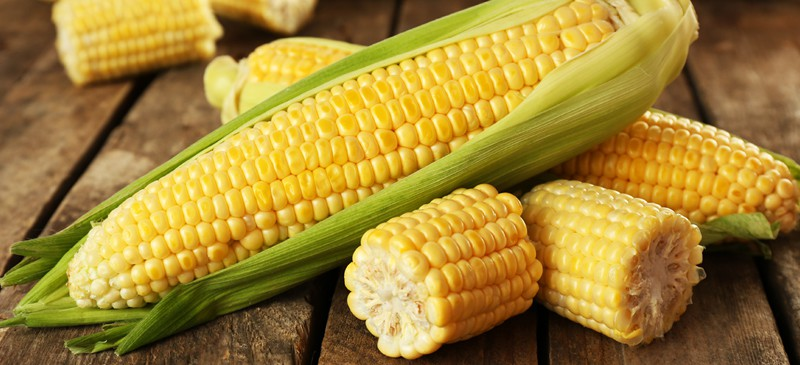
People consume maize in many forms, such as:
- Fresh corn on the cob
- Corn kernels
- Cornmeal
- Corn flour
- Tortillas
- Popcorn
- Corn cereals
- Corn grits
- Corn snacks
What Is the Nutritional Value of Maize?
One of the most common nutrition questions is: what is the nutritional value of maize?
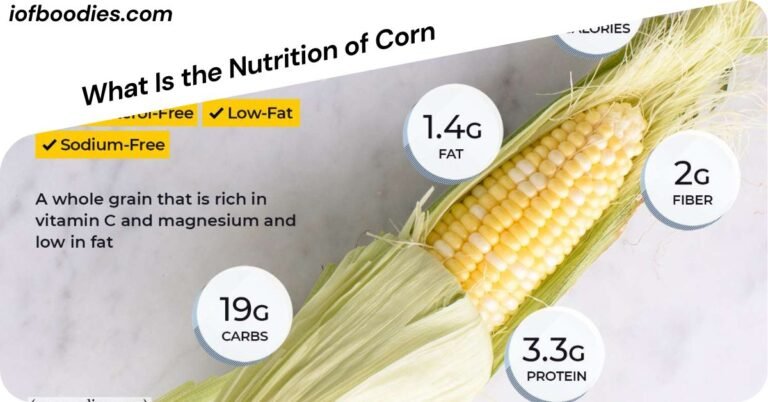
The nutritional profile of maize varies slightly depending on the variety and processing method. However, the following values represent approximately 100 grams of cooked yellow maize kernels.
ALso Read: What Is Nutritive? A Complete Guide to Understanding Nutrition, Nutritive Value, and Healthy Living
Nutritional Value of Maize Per 100 Grams
- Calories: 96 kcal
- Carbohydrates: 21 grams
- Protein: 3.4 grams
- Fat: 1.5 grams
- Dietary Fiber: 2.4 grams
- Water: 73%
- Sugar: 4.5 grams
Vitamins Found in Maize
Maize contains several essential vitamins, including:
- Vitamin B1 (Thiamine)
- Vitamin B3 (Niacin)
- Vitamin B5 (Pantothenic Acid)
- Vitamin B6
- Folate
- Vitamin A precursors
- Vitamin E
Minerals Found in Maize
Important minerals present in maize include:
- Magnesium
- Phosphorus
- Potassium
- Zinc
- Iron
- Copper
- Manganese
- Selenium
These nutrients support many important functions throughout the body.
What Is the Nutritional Value of Yellow Maize?
Many people specifically ask, what is the nutritional value of yellow maize?
Yellow maize contains all the major nutrients found in traditional maize but has an additional advantage. Its yellow color comes from natural pigments called carotenoids.
Key Nutrients in Yellow Maize
Per 100 grams of cooked yellow maize:
- Calories: 96 kcal
- Carbohydrates: 21 grams
- Protein: 3.4 grams
- Fat: 1.5 grams
- Fiber: 2.4 grams
- Lutein
- Zeaxanthin
- Beta-carotene
These compounds contribute to eye health and may help reduce the risk of age-related vision problems.
Because of its nutrient density and antioxidant content, yellow maize is often considered one of the healthiest maize varieties.
Macronutrients in Maize
Understanding the major nutrients in maize helps explain why it remains a staple food worldwide.
Carbohydrates
Carbohydrates make up the majority of maize’s nutritional content.
The carbohydrates in maize provide:
- Energy for daily activities
- Fuel for the brain
- Support for physical performance
Most of the carbohydrates in maize come from starch, which is slowly broken down into glucose during digestion.
Protein
Although maize is not considered a high-protein food, it still contributes to daily protein intake.
Protein supports:
- Muscle growth
- Tissue repair
- Immune function
- Hormone production
Combining maize with beans, legumes, or other protein-rich foods creates a more balanced amino acid profile.
Healthy Fats
Maize contains small amounts of healthy fats.
These fats help:
- Support cell function
- Aid nutrient absorption
- Provide energy
The fat content is naturally low, making maize suitable for many healthy eating plans.
ALso Read: What Health Nutrition? A Complete Guide to Better Health Through Nutrition
Dietary Fiber
Fiber is one of the most valuable nutrients in maize.
Benefits of dietary fiber include:
- Improved digestion
- Better bowel regularity
- Increased fullness
- Blood sugar support
- Heart health benefits
Higher-fiber maize products such as whole corn and popcorn are especially beneficial.
Important Vitamins in Maize
Vitamin B1 (Thiamine)
Thiamine helps convert food into energy.
It supports:
- Brain function
- Nervous system health
- Metabolism
Vitamin B3 (Niacin)
Niacin contributes to:
- Healthy skin
- Digestive health
- Energy production
Some traditional preparation methods increase niacin availability in maize.
Vitamin B6
Vitamin B6 plays a role in:
- Brain development
- Immune health
- Protein metabolism
Folate
Folate is especially important for:
- Cell growth
- DNA production
- Pregnancy support
Vitamin A Precursors
Yellow maize contains beta-carotene and related compounds that the body can convert into vitamin A.
Vitamin A supports:
- Vision
- Immunity
- Skin health
Important Minerals in Maize
Magnesium
Magnesium helps regulate:
- Muscle function
- Nerve activity
- Blood pressure
- Bone health
Phosphorus
Phosphorus is essential for:
- Healthy bones
- Teeth strength
- Energy production
Potassium
Potassium helps maintain:
- Fluid balance
- Healthy blood pressure
- Muscle contractions
Zinc
Zinc supports:
- Immune health
- Wound healing
- Cell growth
Iron
Iron contributes to:
- Oxygen transport
- Energy production
- Healthy blood cells
Antioxidants in Maize
Maize contains beneficial antioxidants that help protect cells from oxidative stress.
Lutein
Lutein is especially important for eye health.
Benefits may include:
- Protection against blue light damage
- Reduced risk of age-related eye diseases
Zeaxanthin
Zeaxanthin works alongside lutein to support healthy vision.
Ferulic Acid
Ferulic acid is one of the most abundant antioxidants found in maize.
It may help:
- Reduce oxidative damage
- Support healthy aging
- Protect cells from free radicals
Health Benefits of Maize
Knowing what is the nutritional value of maize becomes even more important when considering its health benefits.
Provides Long-Lasting Energy
The carbohydrate content in maize supplies steady energy throughout the day.
This makes maize an excellent food for:
- Students
- Athletes
- Workers
- Active individuals
Supports Digestive Health
The fiber in maize promotes healthy digestion.
Regular consumption may help:
- Prevent constipation
- Improve gut health
- Encourage regular bowel movements
Supports Eye Health
Yellow maize contains lutein and zeaxanthin, which are linked to better eye health.
These antioxidants accumulate in the retina and help protect vision.
Supports Heart Health
Whole maize products may contribute to heart health through:
- Fiber intake
- Potassium intake
- Antioxidant protection
These factors can support healthy cholesterol and blood pressure levels.
Helps Maintain Healthy Weight
Fiber-rich maize products can increase feelings of fullness.
This may help reduce overeating and support weight management goals.
Supports Immune Function
The vitamins and minerals in maize help support the body’s natural immune defenses.
Key nutrients include:
- Zinc
- Vitamin B6
- Folate
Is Maize Good for Weight Loss?
Many people wonder whether maize can fit into a weight-loss plan.
The answer depends on preparation methods and portion sizes.
Whole maize foods can support weight management because they provide:
- Fiber
- Satiety
- Nutrient density
- Moderate calorie content
Healthier options include:
- Boiled corn
- Grilled corn
- Air-popped popcorn
Less healthy options may include:
- Corn chips
- Fried corn snacks
- Heavily buttered popcorn
Is Yellow Maize Healthier Than White Maize?
Both varieties offer nutritional benefits, but yellow maize has a slight advantage because of its carotenoid content.
Benefits of Yellow Maize
- Rich in lutein
- Rich in zeaxanthin
- Contains beta-carotene
- Supports eye health
Benefits of White Maize
- Similar carbohydrate content
- Similar protein content
- Similar fiber content
When comparing the two, yellow maize generally provides more antioxidant nutrients.
Different Forms of Maize and Their Nutrition
Fresh Sweet Corn
Fresh sweet corn is:
- Low in fat
- Rich in water
- Good source of vitamins
Cornmeal
Cornmeal is made from ground maize.
It provides:
- Energy
- Fiber
- Minerals
Popcorn
Popcorn is one of the healthiest whole-grain snacks when prepared without excessive butter or sugar.
Benefits include:
- High fiber
- Low calories
- Whole grain nutrition
Corn Flour
Corn flour is commonly used in baking and cooking.
Its nutrient content depends on processing methods.
Potential Drawbacks of Maize
Although maize is nutritious, there are some considerations.
Highly Processed Corn Products
Many processed foods contain corn-based ingredients that may be:
- High in sugar
- High in sodium
- High in unhealthy fats
Examples include:
- Sweetened cereals
- Corn-based snacks
- Processed desserts
Limited Amino Acid Profile
Maize is relatively low in certain essential amino acids.
Combining maize with foods like beans helps improve protein quality.
Portion Control Matters
Like any carbohydrate-rich food, excessive consumption can increase calorie intake.
Balanced portions are important.
How to Add More Maize to Your Diet
Healthy ways to enjoy maize include:
- Grilled corn on the cob
- Corn salads
- Homemade popcorn
- Vegetable soups with corn
- Corn tortillas
- Corn and bean bowls
- Whole-grain corn porridge
Combining maize with vegetables, lean proteins, and healthy fats creates balanced meals.
ALso Read: Is Nutritional Yeast Gluten Free? The Complete Guide for Gluten-Free Diets in 2026
Maize Nutrition Compared to Other Grains
Maize vs Rice
Maize generally contains:
- More fiber
- More antioxidants
- Similar calorie levels
Maize vs Wheat
Wheat often contains more protein, while maize provides unique antioxidants such as lutein and zeaxanthin.
Maize vs Oats
Oats contain more soluble fiber, but maize remains an excellent source of energy and valuable plant compounds.
Expert Insights on Maize Nutrition
When evaluating what is the nutritional value of maize, it is important to look beyond calories alone.
Maize provides a combination of energy, fiber, vitamins, minerals, and antioxidants that make it a valuable food in many diets. The greatest nutritional benefits are typically found in minimally processed forms such as fresh corn, whole corn products, and air-popped popcorn.
Yellow maize deserves special attention because of its carotenoid content. These natural compounds offer benefits that many other grains cannot provide. For individuals seeking affordable, accessible, and versatile foods, maize remains an excellent dietary choice.
Conclusion
So, what is the nutritional value of maize?
Maize is a nutrient-rich cereal grain that provides carbohydrates, dietary fiber, protein, vitamins, minerals, and antioxidants. It supports energy production, digestive health, heart health, immune function, and eye health.
Understanding what is the nutritional value of yellow maize reveals additional benefits, including the presence of lutein, zeaxanthin, and beta-carotene, which support healthy vision and cellular protection.
Whether consumed as fresh corn, popcorn, cornmeal, or other whole-grain products, maize can be part of a healthy and balanced diet. Choosing minimally processed maize products allows you to enjoy the maximum nutritional benefits while supporting overall wellness.
Frequently Asked Questions About Maize Nutrition
Does maize contain gluten?
No. Maize is naturally gluten-free and is often used in gluten-free diets.
Can people with diabetes eat maize?
Yes. People with diabetes can eat maize in moderation as part of a balanced meal plan. Portion control remains important.
Is popcorn as nutritious as corn?
Air-popped popcorn retains many of the nutritional benefits of whole maize and is considered a healthy whole-grain snack.
Is maize a vegetable or a grain?
Fresh corn is often considered a vegetable in culinary use, while mature dried maize is classified as a grain.
Can maize help improve eyesight?
Yellow maize contains lutein and zeaxanthin, antioxidants that support eye health and may help protect vision over time.
Which maize variety has the most antioxidants?
Colored maize varieties, including yellow, blue, and purple maize, generally contain higher levels of beneficial antioxidants.
Is maize suitable for children?
Yes. Maize provides energy, vitamins, and minerals that can support healthy growth and development when included in a balanced diet.
Can maize be eaten every day?
Yes. Maize can be part of a daily diet when consumed alongside a variety of fruits, vegetables, proteins, and healthy fats.
Does cooking reduce the nutritional value of maize?
Cooking may slightly reduce some vitamins, but it can also improve digestibility and nutrient availability.
Why is yellow maize more popular in nutrition discussions?
Yellow maize contains carotenoids such as lutein and zeaxanthin, making it especially valuable for eye health and antioxidant support.