Is Nutritional Yeast Gluten Free? The Complete Guide for Gluten-Free Diets in 2026
If you follow a gluten-free diet, you may wonder: is nutritional yeast gluten free?
The simple answer is yes. Nutritional yeast is naturally and completely gluten free. Gluten is a protein found in wheat, barley, rye, and ingredients made from these grains. Nutritional yeast does not come from any of these sources, making it a safe option for most people who avoid gluten.
However, many shoppers still have questions. Is all nutritional yeast gluten free? Are certain brands safer than others? Can people with celiac disease eat nutritional yeast? What about popular products like Bob’s Red Mill and Bragg’s nutritional yeast?
This comprehensive guide answers every important question about nutritional yeast and gluten. You’ll learn how nutritional yeast is made, why it is considered gluten free, how to choose safe products, and how to use it in a healthy gluten-free lifestyle.
Whether you have celiac disease, gluten sensitivity, or simply want to avoid gluten, this guide will help you make informed decisions.
What Is Nutritional Yeast?
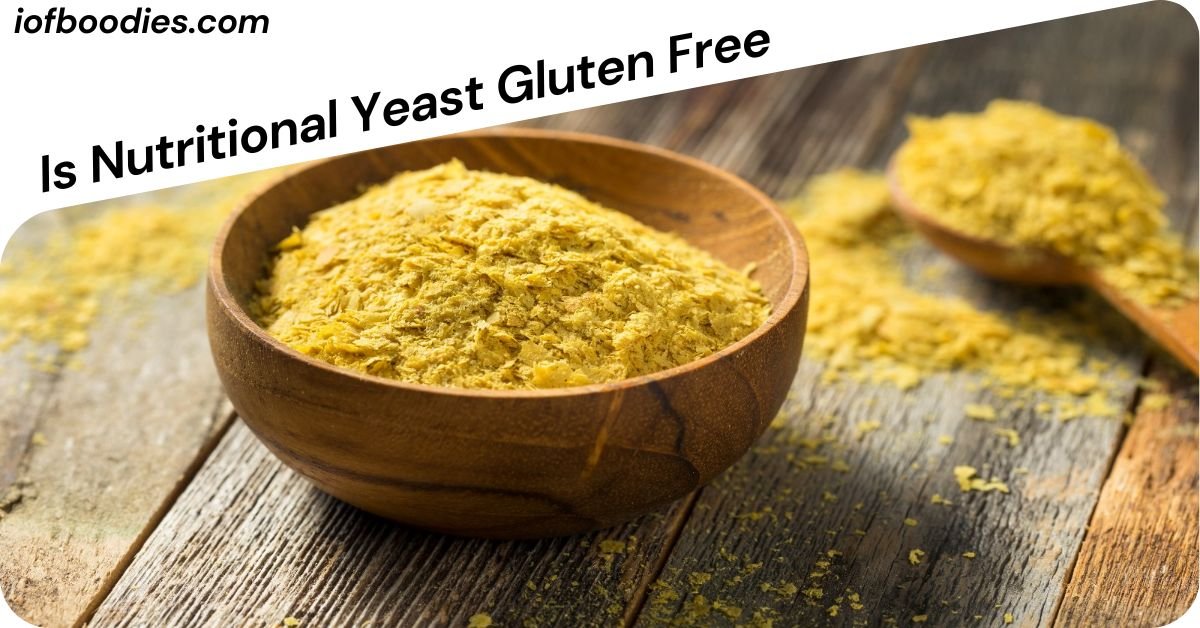
Nutritional yeast is a deactivated yeast made from a species called Saccharomyces cerevisiae. Unlike baking yeast, nutritional yeast cannot make bread rise because it is inactive.
It is grown on nutrient-rich ingredients such as molasses or sugar, harvested, washed, heated, dried, and then packaged as flakes, powder, or granules.
Nutritional yeast is popular because it has:
- A cheesy flavor
- A nutty taste
- High protein content
- Important vitamins and minerals
- Low calories
- No dairy
Many vegans use nutritional yeast as a cheese substitute. It is commonly sprinkled on popcorn, pasta, vegetables, soups, salads, and casseroles.
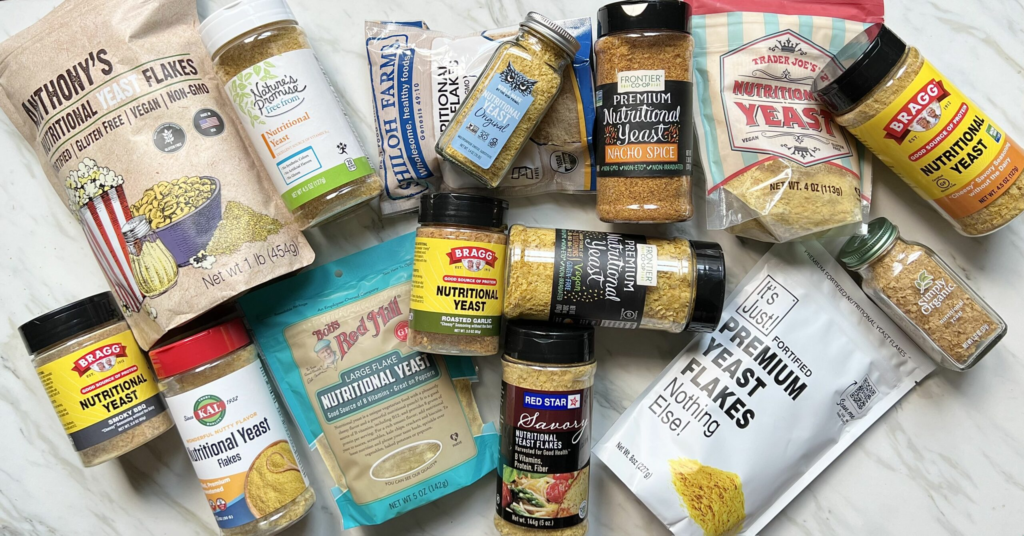
Is Nutritional Yeast Gluten Free?
Yes, nutritional yeast is naturally gluten free.
The yeast itself does not contain gluten. Since nutritional yeast is not made from wheat, rye, or barley, it does not naturally contain the gluten proteins that trigger reactions in people with celiac disease or gluten sensitivity.
When asking “is nutritional yeast gluten free,” the answer is almost always yes.
Pure nutritional yeast contains:
- No wheat
- No rye
- No barley
- No gluten-containing ingredients
Because of this, nutritional yeast is considered one of the safest flavor-enhancing foods for gluten-free diets.
Why People Question Whether Nutritional Yeast Contains Gluten
Many people are surprised to learn that nutritional yeast is gluten free because the word “yeast” is often associated with bread.
Also Read: Where Does Nutrition Absorption Take Place? A Complete Guide to How Your Body Absorbs Nutrients
Bread contains yeast, but the gluten in bread comes from wheat flour, not the yeast itself.
This confusion leads many consumers to wonder if nutritional yeast may contain hidden gluten.
Another reason for concern is that some food products can become contaminated during manufacturing. Even naturally gluten-free foods may come into contact with gluten-containing ingredients during processing.
This is why checking labels and certifications remains important.
How Nutritional Yeast Is Made
Understanding the manufacturing process helps explain why nutritional yeast is gluten free.
The production process typically involves:
Growing the Yeast
Manufacturers cultivate yeast on a nutrient-rich medium such as:
- Molasses
- Sugar beet syrup
- Sugarcane products
These ingredients do not naturally contain gluten.
Harvesting
Once the yeast reaches the desired growth stage, it is collected and separated from the growing medium.
Deactivation
The yeast is heated to stop its activity. This process prevents it from functioning like baking yeast.
Drying and Packaging
The inactive yeast is dried and packaged into flakes, granules, or powder.
Since gluten-containing grains are generally not required during production, nutritional yeast remains naturally gluten free.
Is All Nutritional Yeast Gluten Free?
A common question is: is all nutritional yeast gluten free?
In most cases, yes.
However, there are a few important exceptions.
While nutritional yeast itself is naturally gluten free, some products may be processed in facilities that also handle wheat, barley, or rye.
Potential concerns include:
- Cross-contamination during manufacturing
- Added flavorings containing gluten
- Shared equipment with gluten-containing products
For individuals with celiac disease, it is always best to choose products specifically labeled gluten free.
Reading ingredient labels remains an important safety step.
Is Nutritional Yeast Safe for People With Celiac Disease?
For most people with celiac disease, nutritional yeast is considered safe.
Celiac disease is an autoimmune condition where gluten damages the small intestine. Even tiny amounts of gluten can trigger symptoms and intestinal damage.
Since pure nutritional yeast contains no gluten proteins, it generally fits well within a celiac-safe diet.
To maximize safety:
- Look for gluten-free certification
- Read labels carefully
- Check manufacturer allergen statements
- Avoid products with unclear ingredient lists
Many dietitians recommend nutritional yeast as a nutrient-rich addition to gluten-free meal plans.
Is Nutritional Yeast Safe for Gluten Sensitivity?
People with non-celiac gluten sensitivity can usually enjoy nutritional yeast without concerns.
Because it contains no gluten, nutritional yeast is unlikely to trigger symptoms associated with gluten sensitivity.
Many individuals report using nutritional yeast regularly as a flavorful alternative to cheese-based seasonings and processed flavor enhancers.
Is Bob’s Red Mill Nutritional Yeast Gluten Free?
Many consumers ask: is Bob’s Red Mill nutritional yeast gluten free?
Bob’s Red Mill nutritional yeast is widely recognized as a gluten-free product.
The company is known for producing many gluten-free foods and has strict quality control standards for gluten-free manufacturing.
Consumers who require gluten-free foods often choose Bob’s Red Mill because of the company’s strong reputation within the gluten-free community.
As with any packaged food, checking the current product label remains a smart practice because manufacturing practices can change over time.
Also Read: What Nutrition Is: A Complete Guide to Healthy Eating, Nutrients, and Better Living
Is Bragg’s Nutritional Yeast Gluten Free?
Another frequently searched question is: is Bragg’s nutritional yeast gluten free?
Yes, Bragg Nutritional Yeast is generally considered gluten free.
Bragg’s nutritional yeast has become one of the most popular brands in North America.
It is commonly used by:
- Vegans
- Vegetarians
- Gluten-free consumers
- Health-conscious individuals
Bragg’s nutritional yeast is known for its cheesy flavor and vitamin fortification, making it a favorite ingredient in gluten-free cooking.
Always review the latest packaging information for the most current allergen and gluten statements.
Nutritional Yeast vs Brewer’s Yeast
Many people confuse nutritional yeast with brewer’s yeast.
Although they may come from related yeast species, they are different products.
Nutritional Yeast
- Inactive yeast
- Mild cheesy flavor
- Popular in vegan cooking
- Usually gluten free
Brewer’s Yeast
- Byproduct of beer production
- Bitter flavor
- May be exposed to barley
- Potential gluten concerns
This distinction is important.
Some brewer’s yeast products may contain traces of gluten due to their connection with beer production, while nutritional yeast remains naturally gluten free.
Nutritional Yeast vs Baking Yeast
Another common source of confusion involves baking yeast.
Nutritional Yeast
- Inactive
- Used for flavor
- Eaten directly
Baking Yeast
- Active
- Helps dough rise
- Used in bread making
Neither yeast naturally contains gluten.
The gluten in bread comes from flour, not from the yeast.
Health Benefits of Nutritional Yeast
Besides being gluten free, nutritional yeast offers many nutritional advantages.
Rich in Protein
Nutritional yeast provides a complete protein source containing all essential amino acids.
This makes it especially valuable for:
- Vegans
- Vegetarians
- Gluten-free eaters
High in B Vitamins
Many products are fortified with:
- Vitamin B1
- Vitamin B2
- Vitamin B3
- Vitamin B6
- Vitamin B12
Vitamin B12 is especially important for people following plant-based diets.
Contains Fiber
Dietary fiber supports digestive health and may help maintain healthy blood sugar levels.
Low in Fat
Nutritional yeast is naturally low in fat and contains no cholesterol.
Dairy-Free Alternative
Its cheese-like taste makes it a popular replacement for dairy-based seasonings.
Why Nutritional Yeast Is Popular in Gluten-Free Cooking
People following gluten-free diets often miss savory flavors found in traditional foods.
Nutritional yeast helps solve this problem by adding:
- Umami flavor
- Cheese-like taste
- Rich texture
- Nutritional value
It is frequently used in:
- Gluten-free pasta dishes
- Vegan cheese sauces
- Popcorn seasonings
- Soups
- Salad dressings
- Mashed potatoes
Because it enhances flavor naturally, nutritional yeast has become a staple ingredient in many gluten-free kitchens.
How to Identify Truly Gluten-Free Nutritional Yeast
When shopping, follow these guidelines:
Look for a Gluten-Free Label
A gluten-free label provides additional reassurance that the product meets gluten-free standards.
Read the Ingredient List
The ingredient list should be simple and easy to understand.
Check Allergen Information
Look for statements regarding wheat or gluten exposure.
Choose Trusted Brands
Well-established brands often have stronger quality control procedures.
Review Company Policies
Manufacturers sometimes provide detailed information about allergen testing and production methods.
Can Nutritional Yeast Become Contaminated With Gluten?
Yes, contamination is possible, although uncommon.
Cross-contact may occur if:
- Equipment processes wheat products
- Manufacturing lines are shared
- Packaging facilities handle gluten-containing foods
This is why certified gluten-free products offer extra peace of mind for people with celiac disease.
Best Ways to Use Nutritional Yeast
Nutritional yeast is one of the most versatile ingredients available.
Try adding it to:
Popcorn
Sprinkle nutritional yeast over freshly popped popcorn for a cheesy flavor without dairy.
Pasta
Mix it into gluten-free pasta dishes for extra taste and nutrition.
Soups
Add a spoonful to soups for richer flavor.
Salads
Use it as a savory topping for fresh vegetables.
Roasted Vegetables
Nutritional yeast pairs well with broccoli, cauliflower, potatoes, and Brussels sprouts.
Smoothies
Some people add small amounts to smoothies for extra vitamins and protein.
Common Myths About Nutritional Yeast and Gluten
Myth 1: Yeast Contains Gluten
False.
Yeast itself does not contain gluten.
Myth 2: Nutritional Yeast Comes From Wheat
False.
Most nutritional yeast is grown on molasses or other sugar-based mediums.
Myth 3: Nutritional Yeast Is the Same as Brewer’s Yeast
False.
They are different products with different manufacturing methods.
Myth 4: Nutritional Yeast Is Unsafe for Celiac Disease
False.
Pure nutritional yeast is generally safe for individuals with celiac disease.
Myth 5: Nutritional Yeast Is Highly Processed Junk Food
False.
Nutritional yeast is minimally processed and provides valuable nutrients.
Expert Perspective: Why Nutritional Yeast Fits Well in a Gluten-Free Diet
From a nutrition standpoint, nutritional yeast offers a unique combination of flavor and nutrition.
Many gluten-free products are lower in:
- Protein
- Fiber
- B vitamins
Nutritional yeast helps fill these nutritional gaps while adding flavor without gluten.
Its versatility makes it easier for people to maintain a satisfying gluten-free lifestyle without relying heavily on processed foods.
Also Read: What Is the Nutritional Value of Corn? Complete Guide to Corn Nutrition, Health Benefits, and Uses
This is one reason why dietitians frequently recommend nutritional yeast for both gluten-free and plant-based diets.
Final Verdict: Is Nutritional Yeast Gluten Free?
So, is nutritional yeast gluten free?
Yes. Nutritional yeast is naturally 100% gluten free because it does not come from wheat, barley, or rye. Pure nutritional yeast contains no gluten proteins and is generally safe for people with celiac disease and gluten sensitivity.
If you are wondering:
- Is nutritional yeast gluten-free? Yes.
- Is all nutritional yeast gluten free? Usually yes, but always check labels for cross-contamination risks.
- Is Bob’s Red Mill nutritional yeast gluten free? Yes, it is generally recognized as gluten free.
- Is Bragg’s nutritional yeast gluten free? Yes, it is commonly considered gluten free.
Choosing reputable brands and reading labels carefully will help ensure the safest experience.
For anyone following a gluten-free lifestyle, nutritional yeast remains one of the best ingredients for adding flavor, nutrition, and variety to everyday meals.
Frequently Asked Questions
Can children eat nutritional yeast on a gluten-free diet?
Yes. Nutritional yeast is generally safe for children and can provide additional nutrients, including protein and B vitamins. Parents should consult a healthcare professional for personalized dietary advice.
Does nutritional yeast contain wheat starch?
Pure nutritional yeast does not contain wheat starch. Always review ingredient labels to confirm.
Can nutritional yeast replace cheese completely?
Nutritional yeast can provide a cheese-like flavor, but it does not perfectly replicate the texture of cheese. Many people use it successfully as part of dairy-free and gluten-free recipes.
How much nutritional yeast can I eat per day?
Most people safely consume one to several tablespoons daily. Individual nutritional needs vary, so moderation is recommended.
Does cooking destroy the nutrients in nutritional yeast?
Some heat-sensitive vitamins may decrease slightly during cooking, but nutritional yeast remains nutritious when used in cooked dishes.
Is nutritional yeast keto friendly?
Many nutritional yeast products are relatively low in carbohydrates and may fit within ketogenic diets, depending on individual daily carb goals.
Can nutritional yeast cause digestive discomfort?
Some people may experience mild bloating or digestive changes when first introducing nutritional yeast. Starting with small amounts can help.
Is nutritional yeast vegan and gluten free?
Yes. Nutritional yeast is naturally vegan and gluten free, making it popular among people following both dietary lifestyles.
Can I use nutritional yeast every day?
Yes. Most healthy adults can use nutritional yeast daily as part of a balanced diet.
Does nutritional yeast contain allergens besides gluten?
Nutritional yeast is generally free from common allergens, but manufacturing practices vary. Always check product packaging for allergen information.