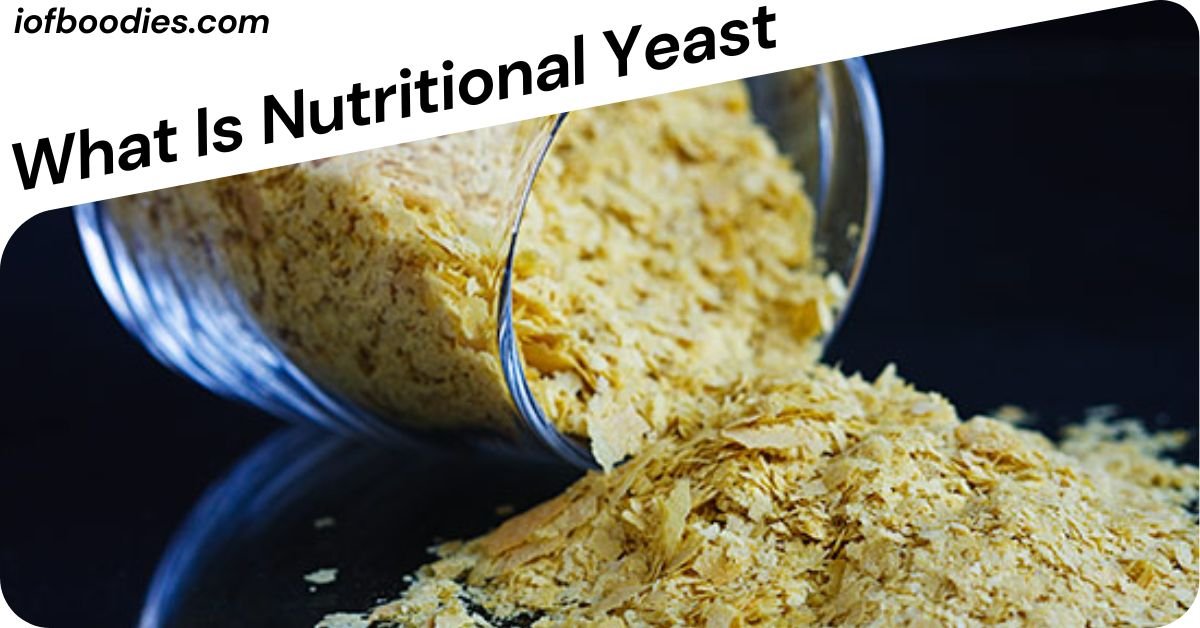
What Is Nutritional Yeast? The Complete Guide to Benefits, Uses, Nutrition, and More
If you have ever seen a recipe that calls for nutritional yeast, you may have wondered: what is nutritional yeast, and why do so many people use it?
Over the last decade, nutritional yeast has become one of the most popular ingredients in healthy eating, plant-based diets, and vegan cooking. Many people love it because it adds a rich, cheesy flavor to foods without using dairy products. Others use it because it is packed with important vitamins and minerals, especially B vitamins.
But there is much more to know than simply sprinkling it on popcorn.
In this complete guide, you will learn exactly what is nutritional yeast, what is nutritional yeast made of, what is nutritional yeast used for, and what nutritional yeast is good for. You will also discover its nutritional value, health benefits, possible side effects, and the best ways to add it to your daily meals.
Whether you are vegan, vegetarian, or simply looking for healthy foods to improve your diet, this guide will help you understand why nutritional yeast has become a staple in kitchens across America.
What Is Nutritional Yeast?
Nutritional yeast is a deactivated yeast product used as a food ingredient and dietary supplement. It is made from a strain of yeast called Saccharomyces cerevisiae, the same species used in baking and brewing.
However, nutritional yeast is very different from baker’s yeast and brewer’s yeast.
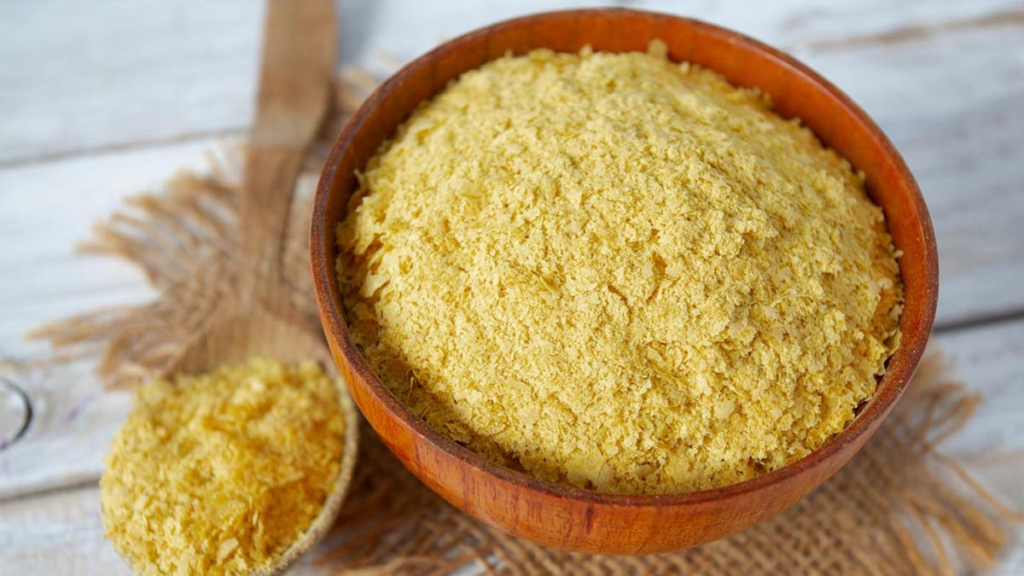
The yeast is grown under controlled conditions, harvested, washed, heated, and dried. The heating process deactivates the yeast, meaning it is no longer alive and cannot cause dough to rise.
The final product is typically sold as:
- Yellow flakes
- Fine powder
- Granules
Nutritional yeast has a savory, nutty, cheesy flavor often described as umami. Because of this unique taste, it is commonly used as a dairy-free cheese alternative.
When people ask, “what is nutritional yeast,” the simplest answer is:
Nutritional yeast is a nutrient-rich inactive yeast used to add flavor, vitamins, and protein to foods.
What Is Nutritional Yeast Made Of?
One of the most common questions people ask is: what is nutritional yeast made of?
Nutritional yeast is made by growing Saccharomyces cerevisiae yeast on a nutrient-rich food source such as:
- Sugarcane
- Molasses
- Beet sugar
- Corn glucose
The yeast feeds on these sugars and multiplies. Once enough yeast has grown, it is harvested, cleaned, and heated to stop its activity.
After drying, the yeast becomes the flaky product found in grocery stores.
Many manufacturers also fortify nutritional yeast with additional nutrients, especially:
- Vitamin B12
- Vitamin B6
- Vitamin B1 (thiamine)
- Vitamin B2 (riboflavin)
- Folic acid
This fortification makes nutritional yeast particularly attractive for people who eat little or no animal products.
The History of Nutritional Yeast
Although nutritional yeast feels like a modern health food trend, it has been around for many decades.
Scientists first explored yeast as a nutrient source during the early 20th century. During periods of food shortages, researchers looked for affordable ways to provide protein and vitamins to large populations.
Over time, manufacturers discovered that inactive yeast had a pleasant savory flavor. This led to its use as both a nutritional supplement and a cooking ingredient.
Today, nutritional yeast is found in supermarkets, health food stores, and online retailers throughout the United States.
Nutritional Yeast Nutrition Facts
One reason nutritional yeast has become so popular is its impressive nutrient profile.
A typical serving of two tablespoons may contain:
- About 40 to 60 calories
- 5 to 8 grams of protein
- 3 to 5 grams of carbohydrates
- 2 to 4 grams of fiber
- Minimal fat
- Large amounts of B vitamins
Fortified nutritional yeast often provides:
- Vitamin B12
- Thiamine
- Riboflavin
- Niacin
- Vitamin B6
- Folate
It may also contain:
- Zinc
- Selenium
- Potassium
- Magnesium
- Iron
Exact nutrient levels vary by brand, so checking the label is important.
What Is Nutritional Yeast Good For?
Many people search online for “what is nutritional yeast good for” because they want to know whether it is worth adding to their diet.
The truth is that nutritional yeast offers several valuable benefits.
Excellent Source of B Vitamins
B vitamins play an important role in:
- Energy production
- Brain function
- Cell metabolism
- Nervous system health
Many fortified nutritional yeast products provide large amounts of these essential vitamins.
For people following vegan or vegetarian diets, this can be especially helpful.
Supports Vitamin B12 Intake
Vitamin B12 is naturally found mainly in animal foods.
People who avoid meat, fish, eggs, and dairy often struggle to get enough B12.
Many fortified nutritional yeast products contain significant amounts of vitamin B12, making them a convenient supplement source.
High-Quality Plant Protein
Protein helps support:
- Muscle growth
- Tissue repair
- Immune function
- Healthy aging
Nutritional yeast contains all nine essential amino acids, making it a complete protein source.
This is relatively rare among plant-based foods.
Rich in Antioxidants
Nutritional yeast contains antioxidant compounds that help protect cells from oxidative stress.
These compounds may support long-term health and healthy aging.
Supports Digestive Health
The fiber content in nutritional yeast may help support healthy digestion and promote beneficial gut bacteria.
A healthy digestive system can contribute to better overall wellness.
What Is Nutritional Yeast Used For?
Another common question is: what is nutritional yeast used for?
The answer goes far beyond supplements.
Cheese Substitute
One of the most popular uses is as a dairy-free cheese replacement.
Its savory taste resembles parmesan cheese, making it ideal for:
- Pasta
- Pizza
- Salads
- Roasted vegetables
Popcorn Topping
Many health-conscious snack lovers sprinkle nutritional yeast on popcorn.
It creates a cheesy flavor without adding large amounts of fat or sodium.
Flavor Enhancer
Nutritional yeast adds umami flavor to:
- Soups
- Stews
- Sauces
- Casseroles
It can deepen the flavor of dishes without relying on artificial ingredients.
Vegan Cheese Recipes
Many plant-based cheese products contain nutritional yeast.
It is often used in:
- Vegan mac and cheese
- Cashew cheese
- Cheese sauces
- Vegan queso
Smoothies and Shakes
Some people add nutritional yeast to smoothies for extra vitamins and protein.
Its mild flavor blends well with savory smoothie recipes.
Salad Topping
Sprinkling nutritional yeast on salads adds both flavor and nutrients.
It works especially well with avocado-based salads.
Nutritional Yeast and Vegan Diets
Nutritional yeast has become a favorite among vegans for several reasons.
First, it provides a cheesy taste without dairy.
Second, fortified versions may help support vitamin B12 intake.
Third, it contributes protein and important micronutrients.
While nutritional yeast should not be the only source of B12 in a vegan diet, it can be a useful part of a balanced nutrition plan.
Nutritional Yeast vs Baker’s Yeast
Many people mistakenly think these products are interchangeable.
They are not.
Nutritional Yeast
- Deactivated
- Used as food seasoning
- Nutty and cheesy flavor
- Rich in nutrients
Baker’s Yeast
- Active yeast
- Used to make bread rise
- Bitter taste when eaten directly
- Not intended as a seasoning
Replacing one with the other will not produce the same results.
Nutritional Yeast vs Brewer’s Yeast
Although they come from similar organisms, they are different products.
Nutritional Yeast
- Specifically grown for nutrition
- Mild flavor
- Popular in recipes
Brewer’s Yeast
- Byproduct of beer production
- More bitter flavor
- Often used as a supplement
Most recipes calling for nutritional yeast should not use brewer’s yeast as a substitute.
Health Benefits of Nutritional Yeast
May Support Energy Levels
Because nutritional yeast contains many B vitamins, it may help support the body’s natural energy production processes.
B vitamins help convert food into usable energy.
May Support Immune Function
Certain compounds in nutritional yeast may support immune health.
Research suggests yeast-derived beta-glucans may help maintain normal immune responses.
May Support Healthy Skin
B vitamins contribute to healthy skin function.
Many people who consume nutritional yeast regularly appreciate its nutritional support for skin wellness.
May Help Maintain Healthy Cholesterol Levels
Some studies suggest yeast-derived beta-glucans may support healthy cholesterol levels already within the normal range.
However, nutritional yeast should be viewed as part of an overall healthy lifestyle rather than a treatment.
May Support Muscle Recovery
The complete protein profile found in nutritional yeast can contribute to muscle maintenance and recovery.
This may be particularly useful for active individuals and athletes.
How Much Nutritional Yeast Should You Eat?
Most people consume between:
- 1 tablespoon daily
- 2 tablespoons daily
Some people use more depending on their nutritional goals.
Moderate consumption is generally sufficient to obtain flavor and nutritional benefits.
Always follow serving recommendations provided by the manufacturer.
Does Nutritional Yeast Contain Vitamin B12?
The answer depends on the brand.
Some nutritional yeast products are fortified with vitamin B12.
Others are not.
If vitamin B12 is one of the reasons you want to use nutritional yeast, carefully read the nutrition label.
Fortified products can provide a substantial percentage of daily B12 needs.
Is Nutritional Yeast Gluten-Free?
Most nutritional yeast products are naturally gluten-free.
However, manufacturing practices vary.
Individuals with celiac disease or gluten sensitivity should choose products specifically labeled gluten-free.
This helps reduce the risk of cross-contamination.
Is Nutritional Yeast Keto Friendly?
Yes, nutritional yeast is generally considered keto friendly.
It contains:
- Low net carbohydrates
- High protein
- Beneficial nutrients
Many people following ketogenic diets use nutritional yeast to enhance flavor without significantly increasing carbohydrate intake.
Is Nutritional Yeast Good for Weight Management?
Nutritional yeast may support weight management goals because it is:
- Low in calories
- High in protein
- Rich in fiber
- Flavorful
Protein and fiber can help increase feelings of fullness after meals.
Additionally, nutritional yeast can add flavor without relying heavily on fats or sugars.
Potential Side Effects of Nutritional Yeast
Nutritional yeast is safe for most people, but some individuals may experience side effects.
Digestive Discomfort
Eating large amounts suddenly may cause:
- Gas
- Bloating
- Stomach discomfort
Introducing it gradually can help.
Headaches in Sensitive Individuals
Some people report headaches after consuming foods containing certain naturally occurring compounds.
This appears to be uncommon.
Allergic Reactions
Although rare, allergies to yeast can occur.
People with known yeast allergies should avoid nutritional yeast unless advised otherwise by a healthcare professional.
Medication Considerations
Individuals taking certain medications should consult their healthcare provider before making major dietary changes.
Best Ways to Use Nutritional Yeast Every Day
Here are simple ways to add nutritional yeast to your meals.
Sprinkle It on Popcorn
This remains one of the most popular options.
The cheesy flavor pairs perfectly with popcorn.
Add It to Pasta
Mix nutritional yeast into pasta dishes for a rich, savory taste.
Stir Into Soups
A spoonful can enhance the flavor of vegetable soups and stews.
Blend Into Sauces
Nutritional yeast helps create creamy vegan sauces.
Top Roasted Vegetables
It works wonderfully on:
- Broccoli
- Cauliflower
- Brussels sprouts
- Sweet potatoes
Mix Into Scrambled Eggs
Many people enjoy nutritional yeast with eggs because it adds depth and a slightly cheesy taste.
How to Store Nutritional Yeast
Proper storage helps maintain freshness.
Keep nutritional yeast:
- In a sealed container
- Away from moisture
- Away from direct sunlight
- In a cool location
Many products stay fresh for months when stored correctly.
Always check expiration dates.
How to Choose the Best Nutritional Yeast
When shopping, consider the following:
Fortified or Unfortified
Choose fortified products if vitamin B12 is important to you.
Organic Options
Some consumers prefer organic nutritional yeast products.
Ingredient Simplicity
Look for products with minimal added ingredients.
Reputable Brands
Select brands with strong quality-control practices and transparent labeling.
Common Myths About Nutritional Yeast
Myth 1: Nutritional Yeast Causes Bread to Rise
False.
Nutritional yeast is inactive and cannot make dough rise.
Myth 2: Nutritional Yeast Is the Same as Baker’s Yeast
False.
They serve completely different purposes.
Myth 3: Nutritional Yeast Contains Dairy
False.
Nutritional yeast is naturally dairy-free.
Myth 4: Only Vegans Use Nutritional Yeast
False.
People of all dietary styles enjoy nutritional yeast for its flavor and nutritional value.
Myth 5: Nutritional Yeast Is Artificial
False.
It is made through a natural fermentation process and then deactivated through heat.
Expert Insight: Why Nutritional Yeast Continues to Grow in Popularity
The increasing popularity of nutritional yeast reflects broader nutrition trends in America.
Consumers today are looking for foods that offer multiple benefits at once.
Nutritional yeast fits perfectly into this demand because it combines:
- Great flavor
- Plant-based protein
- B vitamins
- Versatility
- Convenience
Unlike many health foods that require major lifestyle changes, nutritional yeast is easy to use. A simple sprinkle can instantly improve both taste and nutritional value.
Its ability to satisfy cravings for savory, cheesy flavors while supporting healthier eating habits is one reason it continues to gain popularity among nutrition professionals and home cooks alike.
Final Thoughts
So, what is nutritional yeast?
Nutritional yeast is a deactivated yeast product packed with nutrients, especially B vitamins and protein. It offers a savory, cheese-like flavor that makes it one of the most versatile ingredients in modern cooking.
If you have wondered what is nutritional yeast used for, the answer includes everything from popcorn toppings and pasta seasoning to vegan cheese recipes and nutritional support.
Understanding what is nutritional yeast made of helps explain why it has become such a trusted ingredient among health-conscious consumers. Whether your goal is increasing protein intake, supporting vitamin B12 consumption, enhancing flavor, or exploring plant-based foods, nutritional yeast can be a valuable addition to your kitchen.
As research continues to highlight the importance of nutrient-dense foods, nutritional yeast remains one of the easiest and most affordable ways to add both flavor and nutrition to everyday meals.
Frequently Asked Questions About Nutritional Yeast
Can children eat nutritional yeast?
Yes. Nutritional yeast is generally considered safe for children when used as part of a balanced diet. Parents should follow age-appropriate serving sizes and consult a healthcare provider when necessary.
Can nutritional yeast replace a vitamin supplement?
Not entirely. While fortified nutritional yeast contains many vitamins, it should not automatically replace supplements prescribed or recommended by a healthcare professional.
Why does nutritional yeast taste like cheese?
The fermentation and processing methods create naturally occurring compounds that produce a savory, cheesy, umami flavor.
Can I cook nutritional yeast at high temperatures?
Yes. Nutritional yeast can be used in baked dishes, casseroles, soups, and sauces without losing its characteristic flavor.
Is nutritional yeast considered a processed food?
It undergoes processing, but it is generally viewed as a minimally processed food ingredient with a simple production method.
Can nutritional yeast expire?
Yes. Like most food products, nutritional yeast has a shelf life. Always check the package date and store it properly.
Does nutritional yeast contain sugar?
Most nutritional yeast products contain little to no sugar after the fermentation process is complete.
Can pets eat nutritional yeast?
Some pet foods include nutritional yeast as an ingredient. However, pet owners should consult a veterinarian before adding nutritional yeast to an animal’s diet.
Is nutritional yeast environmentally friendly?
Compared with many animal-based food products, nutritional yeast production generally requires fewer natural resources, making it an attractive option for environmentally conscious consumers.
Can nutritional yeast be eaten every day?
For most healthy individuals, nutritional yeast can be enjoyed daily as part of a balanced diet when consumed in recommended amounts.