Do Cucumbers Have Any Nutritional Value? A Complete Guide to the Health Benefits of Cucumbers
Cucumbers are one of the most popular vegetables in the world. People add them to salads, sandwiches, drinks, and even skincare routines. But many people still ask the same question: do cucumbers have any nutritional value?
Some people believe cucumbers are “just water” and do not offer many health benefits. Others think cucumbers are one of the healthiest foods you can eat every day. The truth is somewhere in the middle. Cucumbers are low in calories, but they still provide important nutrients, hydration, antioxidants, and health benefits that can support the body in many ways.
In this detailed guide, you will learn everything about cucumber nutrition, health benefits, calories, vitamins, minerals, hydration, weight loss support, and the best ways to eat cucumbers. This article also explains why cucumbers deserve more attention in a healthy diet.
If you have ever wondered, “do cucumbers have any nutritional value,” this guide will give you a complete and easy-to-understand answer.
What Are Cucumbers?
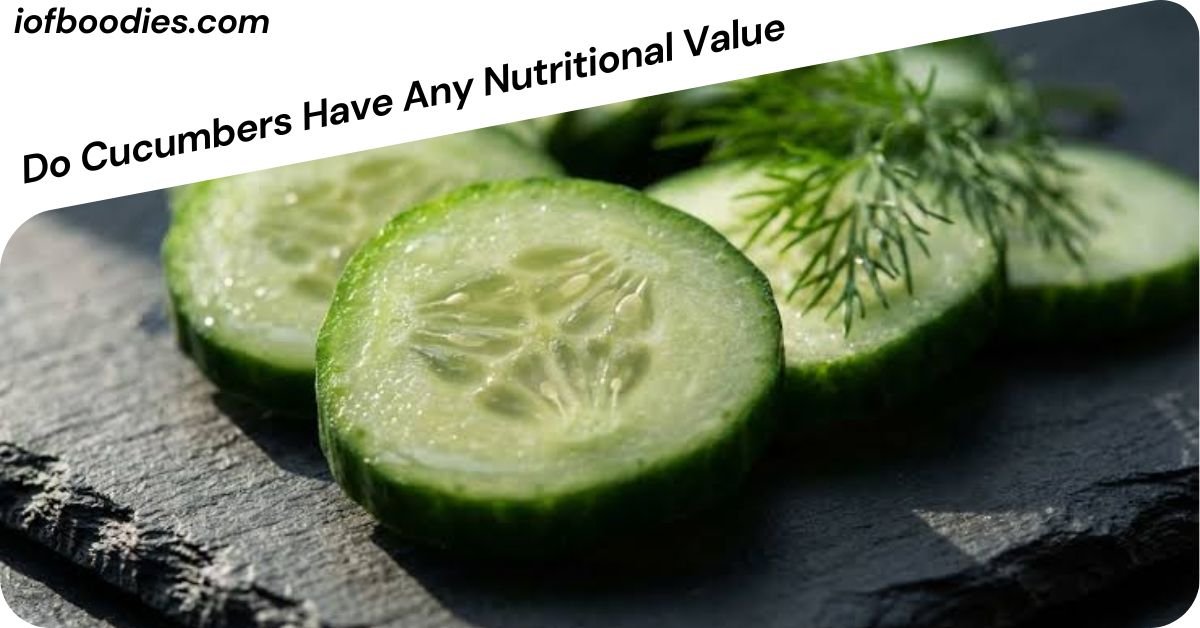
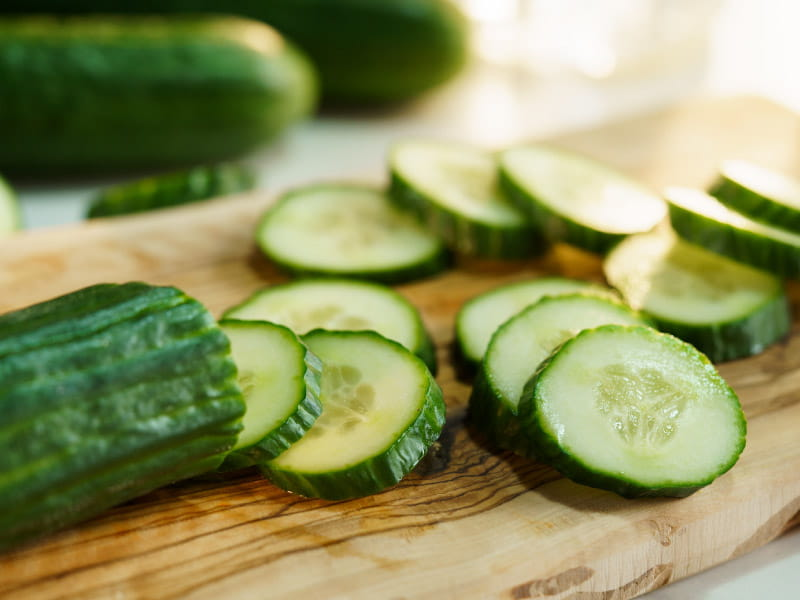
Cucumbers are long green vegetables that belong to the gourd family. They are closely related to squash, pumpkins, and melons. Most cucumbers have dark green skin, pale green flesh, and small edible seeds inside.
There are different types of cucumbers, including:
- Slicing cucumbers
- Pickling cucumbers
- English cucumbers
- Persian cucumbers
- Mini cucumbers
Cucumbers are eaten raw most of the time, but they can also be pickled or added to cooked dishes.
People in the United States commonly use cucumbers in:
- Salads
- Wraps
- Burgers
- Smoothies
- Infused water
- Healthy snacks
Cucumbers are refreshing, crunchy, and easy to include in daily meals.
Do Cucumbers Have Any Nutritional Value?
Yes, cucumbers do have nutritional value. Even though they are made up of about 95% water, cucumbers still contain important nutrients that help the body stay healthy.
Cucumbers provide:
- Vitamin K
- Vitamin C
- Potassium
- Magnesium
- Fiber
- Antioxidants
- Water for hydration
They are also very low in calories, making them an excellent food for healthy eating and weight management.
One of the biggest misunderstandings about cucumbers is that low-calorie foods have no nutritional benefits. In reality, foods do not need to be high in calories to support health. Cucumbers help the body in several ways without adding extra fat, sugar, or calories.
Also Read: Can Dogs Have Nutritional Yeast? Complete Safety Guide for Pet Owners
Cucumber Nutrition Facts
To better understand the answer to “do cucumbers have any nutritional value,” it helps to look at the nutrition facts.
Here is the approximate nutrition for one cup of sliced cucumber with peel:
- Calories: 16
- Water: 95%
- Protein: 0.7 grams
- Carbohydrates: 3.8 grams
- Fiber: 0.5 grams
- Fat: 0.1 grams
- Vitamin K: Around 20% of daily needs
- Vitamin C: Around 4% of daily needs
- Potassium: Around 150 mg
- Magnesium: Small amount
The peel contains many of the nutrients and antioxidants, which is why eating cucumbers with the skin on is usually healthier.
Why Cucumbers Are More Nutritious Than People Think
Many people judge foods only by calories or protein content. Because cucumbers are low in both, they are sometimes seen as “empty foods.”
That idea is not accurate.
Cucumbers provide value in areas that many other foods do not. Their biggest strengths include:
- Hydration
- Low calorie content
- Antioxidants
- Refreshing fiber
- Digestive support
Modern diets in the United States often include too much sugar, sodium, and processed food. Cucumbers help balance the diet because they are clean, natural, hydrating, and easy on digestion.
Their nutritional value is not about being heavy or filling like meat or grains. Instead, cucumbers support wellness in a lighter and more refreshing way.
Health Benefits of Cucumbers
Cucumbers Help Keep the Body Hydrated
One of the biggest health benefits of cucumbers is hydration.
Because cucumbers contain about 95% water, they help increase fluid intake naturally. Many people in the United States do not drink enough water every day. Eating water-rich foods can help solve that problem.
Proper hydration supports:
- Brain function
- Digestion
- Energy levels
- Skin health
- Body temperature control
Cucumbers are especially helpful during:
- Hot summer weather
- Exercise recovery
- Illness
- Dehydration
People who struggle to drink plain water often enjoy cucumber-infused water because it tastes fresh and light.
Cucumbers Support Weight Loss
Another reason people ask, “do cucumbers have any nutritional value,” is because cucumbers are often included in weight loss diets.
Cucumbers can support healthy weight management because they are:
- Low in calories
- High in water
- Refreshing
- Filling without being heavy
One whole cucumber contains very few calories compared to chips, crackers, or processed snacks.
Replacing unhealthy snacks with cucumber slices may help reduce calorie intake throughout the day.
Cucumbers also add volume to meals. This can help people feel satisfied while eating fewer calories overall.
Cucumbers Contain Antioxidants
Cucumbers contain antioxidants that help protect the body from damage caused by harmful molecules called free radicals.
Antioxidants may help reduce oxidative stress, which is linked to aging and some chronic diseases.
Cucumber antioxidants include:
- Flavonoids
- Tannins
- Beta-carotene
- Vitamin C
These compounds may support long-term health and reduce inflammation in the body.
Even though cucumbers are not the richest antioxidant food compared to berries or leafy greens, they still contribute to an antioxidant-rich diet.
Cucumbers May Support Heart Health
Cucumbers may help support heart health in several ways.
First, cucumbers contain potassium. Potassium helps balance sodium levels in the body and may support healthy blood pressure.
Second, cucumbers are naturally low in sodium and fat.
Third, the hydration and fiber in cucumbers may support circulation and digestion, which are both connected to overall heart wellness.
A healthy diet that includes fruits and vegetables like cucumbers is generally linked to better cardiovascular health.
Cucumbers Support Healthy Digestion
Cucumbers can help digestion because they contain both water and fiber.
Water helps soften stool and support regular bowel movements. Fiber adds bulk to the digestive system.
People who experience mild constipation may benefit from adding cucumbers and other hydrating vegetables to their diet.
The peel contains most of the cucumber’s fiber, so eating cucumbers unpeeled is usually the better choice if digestion support is the goal.
Cucumbers May Help Skin Health
Cucumbers are commonly used in skincare products and home beauty routines.
Their high water content may help support skin hydration from the inside out. Cucumbers also contain antioxidants and vitamin C, which are linked to skin health.
Many people place cucumber slices on their eyes because the cool temperature and water content may temporarily reduce puffiness.
While cucumbers are not a miracle skincare treatment, they can support healthy skin as part of a balanced diet and healthy lifestyle.
Vitamins and Minerals in Cucumbers
Vitamin K
Vitamin K is one of the main nutrients found in cucumbers.
Vitamin K helps:
- Blood clot properly
- Support bone health
- Maintain healthy body functions
Many people do not realize cucumbers are a good source of this important vitamin.
Vitamin C
Cucumbers contain small amounts of vitamin C.
Vitamin C supports:
- Immune health
- Skin repair
- Antioxidant protection
- Wound healing
Although cucumbers are not as rich in vitamin C as oranges or strawberries, they still contribute to daily intake.
Potassium
Potassium is an important mineral that helps regulate fluids and muscle function.
Diets high in potassium may support healthy blood pressure.
Cucumbers contain moderate amounts of potassium while remaining very low in calories.
Magnesium
Cucumbers also provide small amounts of magnesium, which supports:
- Muscle function
- Nerve function
- Bone health
- Energy production
Are Cucumbers Good for Diabetics?
Cucumbers can be a smart choice for people with diabetes because they are low in carbohydrates and sugar.
They have a low glycemic impact, meaning they are unlikely to cause rapid spikes in blood sugar.
Their fiber and water content may also help support fullness and balanced eating habits.
However, people with diabetes should still focus on an overall healthy diet and speak with a healthcare professional for personalized advice.
Are Cucumbers Good for Kids?
Yes, cucumbers are great for kids.
Many children enjoy cucumbers because they are crunchy, mild, and refreshing.
Benefits for children include:
- Hydration
- Low-calorie snacking
- Easy digestion
- Vitamin intake
Parents can serve cucumbers with healthy dips like hummus or yogurt-based dressings.
Are Cucumbers Better With the Peel On?
Yes, cucumbers are generally more nutritious with the peel on.
The peel contains:
- Fiber
- Antioxidants
- Additional vitamins
However, it is important to wash cucumbers carefully before eating the skin.
Some people prefer peeling cucumbers because of texture or digestion concerns, but keeping the peel provides more nutritional value.
Also Read: Can Dogs Eat Nutritional Yeast? A Complete Guide for Dog Owners
Do Pickles Have the Same Nutritional Value as Cucumbers?
Pickles are made from cucumbers, but their nutritional profile changes during the pickling process.
Pickles may still contain some nutrients, but they are usually much higher in sodium.
High sodium intake may not be ideal for some people, especially those with high blood pressure.
Fresh cucumbers are usually the healthier choice for daily eating.
However, fermented pickles may provide probiotics that support gut health.
Best Ways to Eat Cucumbers
There are many healthy ways to enjoy cucumbers.
Add Cucumbers to Salads
Cucumbers add crunch and freshness to salads.
They pair well with:
- Tomatoes
- Lettuce
- Avocado
- Onions
- Feta cheese
Make Cucumber Water
Cucumber water is refreshing and easy to prepare.
Simply add cucumber slices to cold water and let it sit for a few hours.
Some people also add:
- Lemon
- Mint
- Lime
Use Cucumbers as a Healthy Snack
Cucumber slices can replace processed snacks like chips or crackers.
Healthy topping ideas include:
- Hummus
- Greek yogurt dip
- Cottage cheese
- Tuna salad
Add Cucumbers to Sandwiches and Wraps
Cucumbers add texture and moisture to sandwiches without many calories.
Blend Cucumbers Into Smoothies
Cucumbers work well in green smoothies because they add hydration and freshness.
Do Cucumbers Have Protein?
Cucumbers contain a very small amount of protein, but they are not considered a high-protein food.
If you need more protein, pair cucumbers with foods like:
- Eggs
- Chicken
- Greek yogurt
- Nuts
- Beans
Cucumbers work best as part of a balanced meal.
Can You Eat Cucumbers Every Day?
Yes, most people can safely eat cucumbers every day.
Daily cucumber consumption may support:
- Hydration
- Digestion
- Healthy eating habits
- Weight management
However, eating too much of any single food is not ideal. A healthy diet should include a wide variety of fruits and vegetables.
Are There Any Side Effects of Eating Cucumbers?
Cucumbers are safe for most people, but some individuals may experience minor side effects.
Possible issues include:
- Bloating
- Gas
- Mild digestive discomfort
Some cucumbers naturally contain compounds called cucurbitacins, which may cause bitterness and stomach discomfort in sensitive people.
People with allergies to certain fruits or vegetables should also be cautious.
Organic vs Regular Cucumbers
Some people choose organic cucumbers to reduce pesticide exposure.
Organic cucumbers may be a good option if you often eat the peel.
However, both regular and organic cucumbers can be part of a healthy diet when properly washed.
The most important thing is eating more fresh vegetables consistently.
Why Cucumbers Are Popular in Healthy Diets
Cucumbers fit into many popular eating plans because they are versatile and low in calories.
They are commonly included in:
- Mediterranean diets
- Low-carb diets
- Weight loss programs
- Detox meal plans
- Plant-based diets
Their refreshing taste makes healthy eating easier and more enjoyable.
Common Myths About Cucumbers
Myth 1: Cucumbers Have No Nutritional Value
This is false.
Cucumbers contain vitamins, minerals, antioxidants, water, and fiber.
Myth 2: Cucumbers Are Only Water
While cucumbers are mostly water, that hydration itself provides health benefits.
They also contain important nutrients.
Myth 3: Cucumbers Cannot Help Weight Loss
Cucumbers can support weight management when used to replace high-calorie foods.
Myth 4: Only the Seeds Are Healthy
The entire cucumber provides value, especially the peel.
Scientific Interest in Cucumbers
Researchers continue studying cucumbers because they contain plant compounds with possible health-supporting properties.
Some studies are exploring cucumber compounds related to:
- Inflammation
- Hydration
- Antioxidant activity
- Metabolic health
Although cucumbers are not a cure for disease, they are part of a healthy eating pattern supported by nutrition science.
Also Read: AM Nutrition Services: The Complete Guide to Personalized Nutrition, Wellness, and Healthy Living
How Cucumbers Compare to Other Vegetables
Compared to vegetables like spinach or broccoli, cucumbers are lower in vitamins and minerals.
However, cucumbers excel in:
- Hydration
- Low calorie content
- Refreshing texture
- Easy digestion
Different vegetables provide different strengths. Cucumbers are valuable because they make healthy eating simple and enjoyable.
The Role of Cucumbers in Modern Nutrition
Modern diets often contain highly processed foods that are high in sugar, sodium, and unhealthy fats.
Cucumbers represent the opposite approach.
They are:
- Natural
- Fresh
- Low calorie
- Hydrating
- Easy to prepare
This makes cucumbers important in modern healthy eating habits.
Sometimes the healthiest foods are not the most complicated. Simple foods like cucumbers can support long-term wellness when eaten regularly.
Expert Insight: Why Cucumbers Matter More Than People Think
One interesting point about cucumbers is that they improve healthy eating habits overall.
For example:
- Adding cucumbers to meals increases vegetable intake
- Replacing salty snacks with cucumbers lowers calorie intake
- Eating hydrating foods may reduce sugary drink consumption
So even though cucumbers are not extremely nutrient-dense compared to some vegetables, they encourage healthier food choices.
That indirect health benefit is often overlooked.
Frequently Asked Questions About Cucumbers
Do cucumbers have any nutritional value if they are mostly water?
Yes. Even though cucumbers are mostly water, they still provide vitamins, minerals, antioxidants, and fiber.
Are cucumbers healthier raw or cooked?
Cucumbers are usually healthiest raw because cooking may reduce some nutrients and change their texture.
Can cucumbers help you stay full?
Yes. Their water and fiber content may help increase fullness without adding many calories.
Are cucumbers keto-friendly?
Yes. Cucumbers are low in carbohydrates and fit well into keto and low-carb diets.
Can cucumbers help reduce bloating?
Because cucumbers contain water and potassium, they may help some people feel less bloated.
Is cucumber water healthy?
Yes. Cucumber water helps increase hydration and may encourage people to drink more fluids.
Are mini cucumbers as healthy as regular cucumbers?
Yes. Mini cucumbers provide similar nutrients and health benefits.
Should you remove cucumber seeds?
Most people can safely eat cucumber seeds. They are edible and contain nutrients.
Are cucumbers good before bedtime?
Cucumbers can be a light evening snack because they are low in calories and refreshing.
Can cucumbers replace drinking water?
No. Cucumbers help hydration, but they should not fully replace water intake.
Final Thoughts
So, do cucumbers have any nutritional value?
The answer is absolutely yes.
Cucumbers may not be the most nutrient-dense vegetable on the planet, but they provide important health benefits that many people overlook. They help with hydration, digestion, weight management, and healthy eating habits while delivering vitamins, minerals, antioxidants, and fiber.
Their low-calorie nature is actually one of their greatest strengths. Cucumbers make it easier to eat healthy without consuming excess calories, sugar, or fat.
In today’s fast-paced world filled with processed foods, simple vegetables like cucumbers deserve more respect. They are affordable, refreshing, easy to prepare, and highly versatile.
Whether you add cucumbers to salads, sandwiches, smoothies, or water, they can play a valuable role in a balanced diet.
The next time someone asks, “do cucumbers have any nutritional value,” you can confidently say that cucumbers are far more beneficial than most people realize.